





Feeding pets meat a huge contributor to carbon emissions
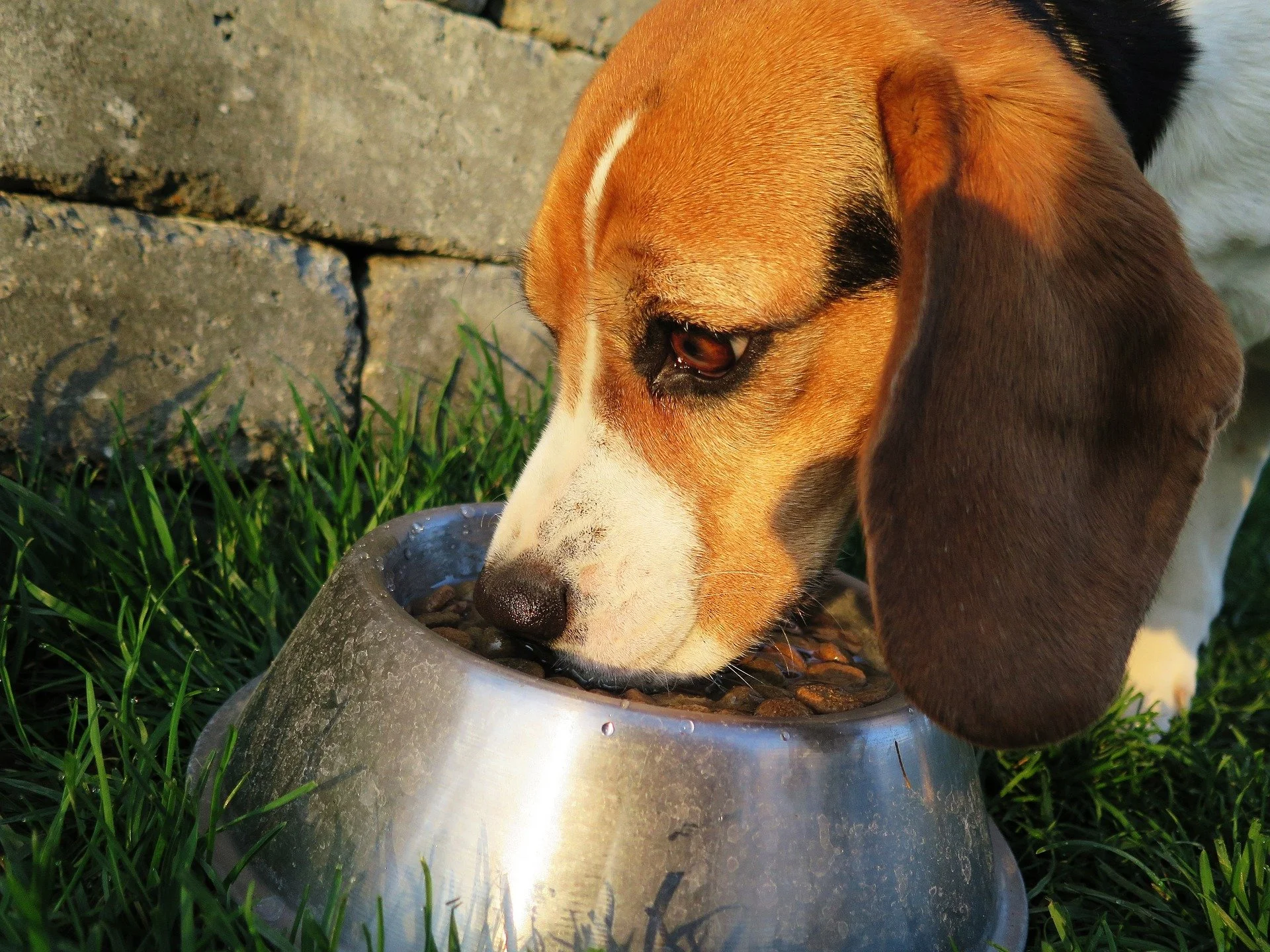
London - Imagine all the 76 million pet dogs and 58 million pet cats in the United States of America, all eating meat around twice a day.
If those pets had their own country, it would rank fifth in terms of global meat consumption.
Now add the 1.8 million cats and dogs in Aotearoa. New Zealanders are among the world leaders in pet ownership.
Now add the 12.5 million dogs and 12 million cats in the UK. Then the 54 million dogs and 58 million cats in China, and so on. That’s a lot of meat being gobbled down by hungry pets, and we all know that increasing meat consumption is giving our planet severe indigestion.
In 2017, research revealed that roughly a quarter of calories from all animal meat consumed in the United States are now eaten by pets, according to Plant Based News.
But don’t dogs and cats just eat by-products, the rubbish bits of meat that humans don’t want?
Not necessarily. Today, more and more owners want to feed pets premium human-grade or raw meat diets from cows, pigs, chickens, cattle and other animals are being bred and killed specifically for dog food.
In the US, 30 percent of intensively farmed animals. Yet most people have largely ignored the increasing environmental impact of our pets’ high-protein ancestral raw meat diets.
Numerous reports have found animal agriculture to be responsible for anything from half to 87 percent of annual greenhouse gas emissions, meaning meaty dog foods are now a major player in the climate crisis.
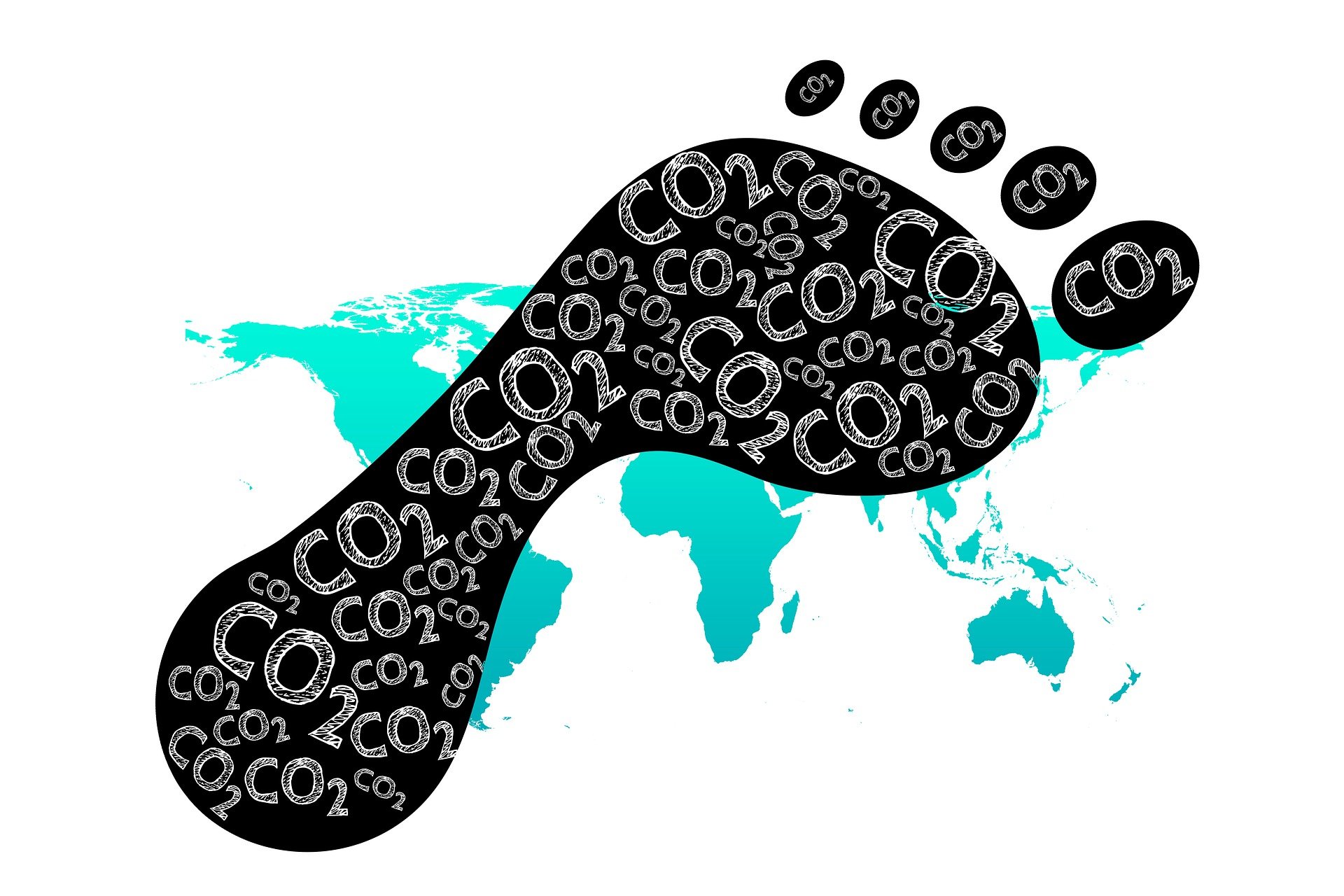
In 2020, research from the University of Edinburgh showed that the pet food industry produces almost three percent of the total carbon dioxide (CO2) emissions from farming. Maybe that doesn’t sound like much, but it’s the same amount of CO2 produced by a sixth of all global flights.
In fact, feeding dogs and cats in the UDSS alone has been calculated to be as environmentally damaging as pumping the exhaust of nearly 14 million cars into the atmosphere for one year.
And that’s just greenhouse gases. We also need to consider the environmental impacts from the additional land, water, fossil fuels, phosphates, and biocides needed to feed and farm the animals that go into our pet’s gourmet, human-grade meaty chunks.
That Edinburgh research shows that making meat-based food for cats and dogs uses up a land mass twice the size of the UK, every year.
If people globally don’t significantly reduce the amount of meat for eating and feeding, researchers calculate that the livestock industry could account for up to 49 percent of total greenhouse gas emissions allowable under the 2°C and 1.5°C targets by 2030.



Lisa was born in Auckland at the start of the 1970s, living in a small campsite community on the North Shore called Browns Bay. She spent a significant part of her life with her grandparents, often hanging out at the beaches. Lisa has many happy memories from those days at Browns Bay beach, where fish were plentiful on the point and the ocean was rich in seaweed. She played in the water for hours, going home totally “sun-kissed.” “An adorable time to grow up,” Lisa tells me.
Lisa enjoyed many sports; she was a keen tennis player and netballer, playing in the top teams for her age right up until the family moved to Wellington. Lisa was fifteen years old, which unfortunately marked the end of her sporting career. Local teams were well established in Wellington, and her attention was drawn elsewhere.