





Ozone may be heating the planet more than expected
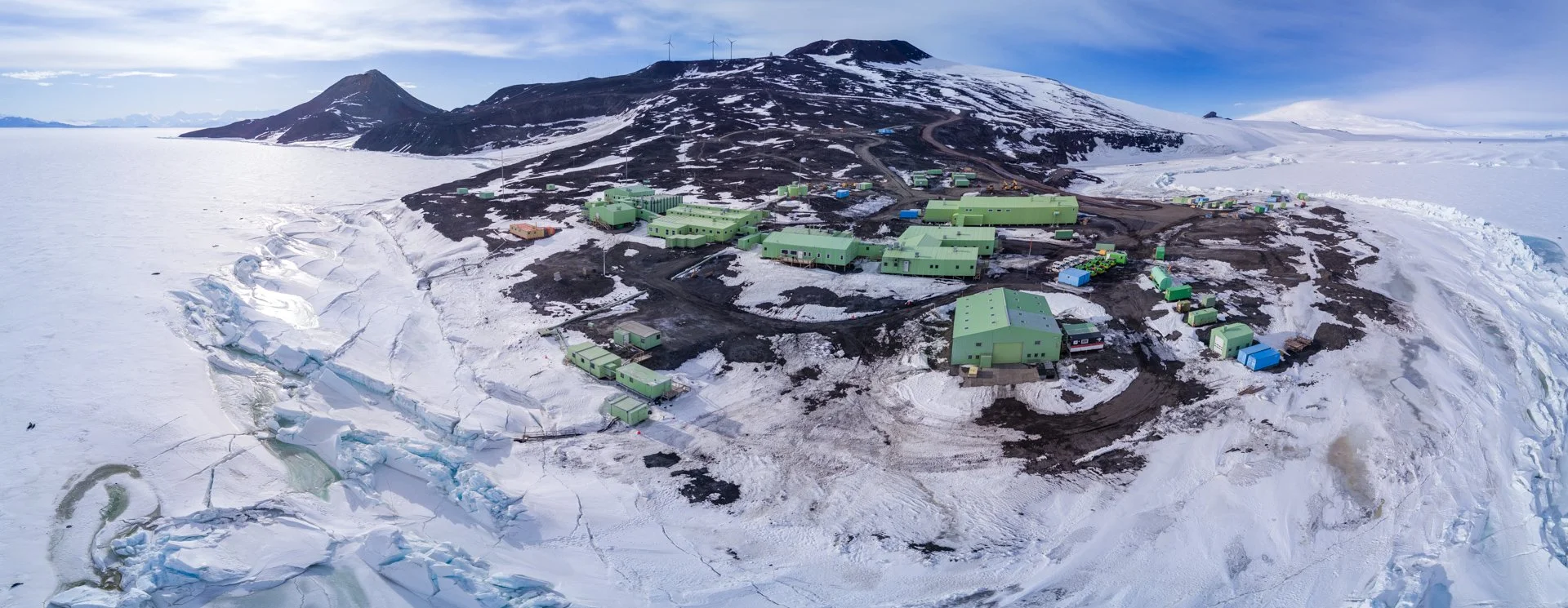
Scott Base - New research shows ozone in the lower atmosphere in particular contributes to warming in the Southern Ocean more than previously realised, which is not great news for New Zealand.
The Reading study shows that ozone is more than just a pollutant, but also may be playing a significant role in climate change.
Ozone may be weakening one of the Earth's most important cooling mechanisms, making it a more significant greenhouse gas than previously thought, research has found.
The new study found changes to ozone levels were responsible for almost a third of the warming seen in ocean waters bordering Antarctica in the second half of the 20th century.
The deep and rapid warming in the Southern Ocean affects its role as one of the main regions for soaking up excess heat as the planet warms.
The majority of this warming was the result of ozone increases in the lower atmosphere. Ozone is one of the main components of smog and is already hazardous as a pollutant. But the research shows it may also play a significant role in driving climate change in the coming years.
Ozone close to Earth's surface is harmful to people and the environment, but the study reveals it also has a big impact on the ocean's ability to absorb excess heat from the atmosphere.
The new research by an international team of scientists, and led by the University of California Riverside, is published in Nature Climate Change.
The findings are an eye-opener and hammer home the importance of regulating air pollution to prevent increased ozone levels and global temperatures rising further still.
The ozone layer is vital as it filters dangerous ultraviolet radiation from reaching Earth's surface. This discovery led to the Montreal Protocol, an international agreement to halt the production of CFCs.
There is hope to find solutions, and the success of the Montreal Protocol at cutting CFC use shows that international action is possible to prevent damage to the planet.



Lisa was born in Auckland at the start of the 1970s, living in a small campsite community on the North Shore called Browns Bay. She spent a significant part of her life with her grandparents, often hanging out at the beaches. Lisa has many happy memories from those days at Browns Bay beach, where fish were plentiful on the point and the ocean was rich in seaweed. She played in the water for hours, going home totally “sun-kissed.” “An adorable time to grow up,” Lisa tells me.
Lisa enjoyed many sports; she was a keen tennis player and netballer, playing in the top teams for her age right up until the family moved to Wellington. Lisa was fifteen years old, which unfortunately marked the end of her sporting career. Local teams were well established in Wellington, and her attention was drawn elsewhere.