





The world risks a humanitarian disaster on a massive scale
Ōtautahi - The war in Ukraine has knocked the global food system off its axis to the extent that 500 million people could face acute hunger in the next year.
Stabilizing the global food system requires collaboration and partnerships among key players in agriculture.
Climate resilience must be built into agriculture, including carbon-smart solutions and biological alternatives to artificial fertilisers.
The human tragedy that continues to unfold in Ukraine has been universally shocking. What has also become apparent is the suffering will be magnified as the repercussions are felt right across the global food system.
Simply put, the war has knocked the global food system, already strained due to covid and climate change, out of alignment. The world risks a humanitarian disaster on a massive scale unless we urgently collaborate on tangible steps to address the impact head-on.
As industries and households reduce their emissions by behaviour change and by the take up of new technologies, unless agriculture deal with their emissions, agriculture will be an increasing proportion of all emissions and increasingly seen as responsible for, and liable to pay for, offshore mitigation.
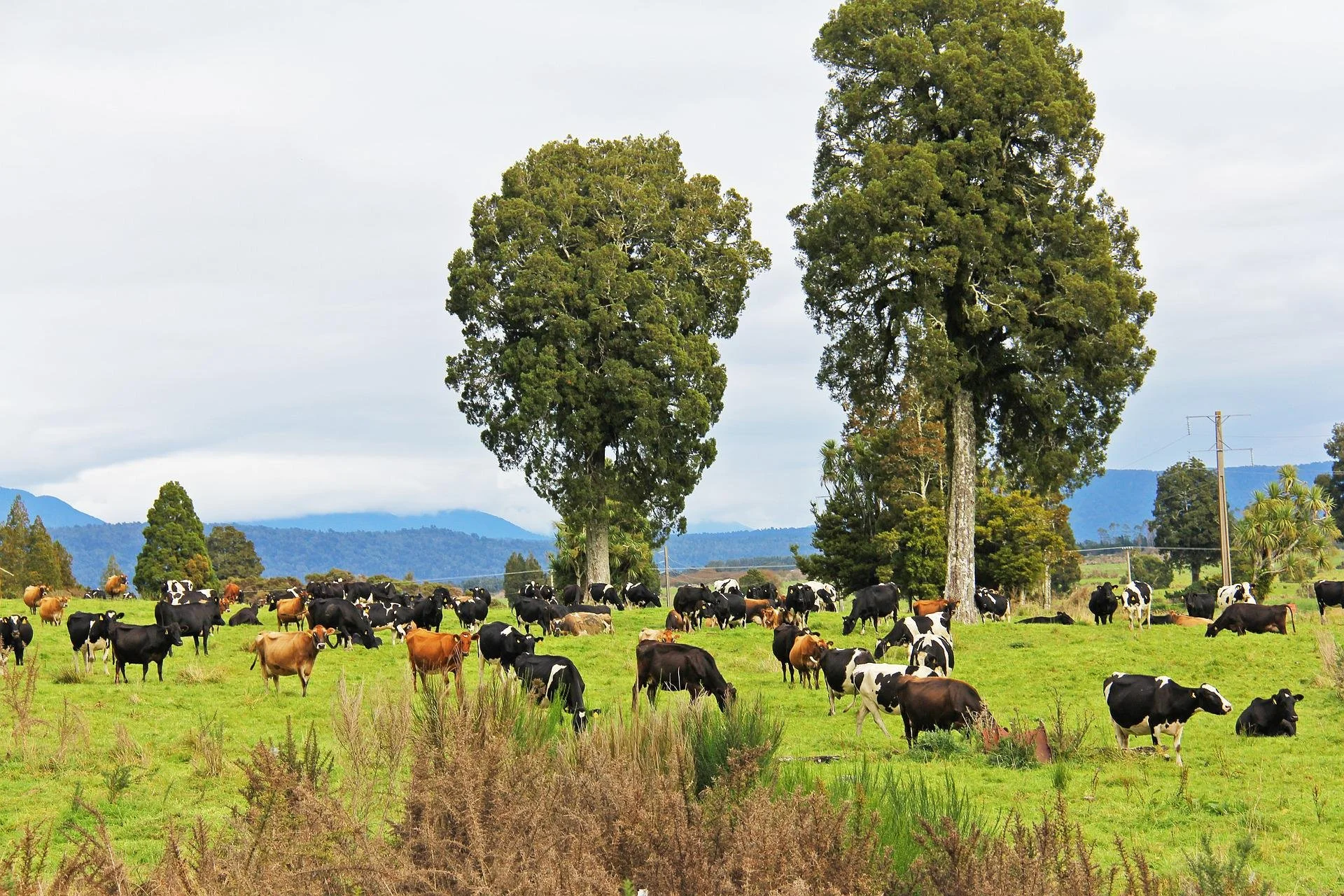
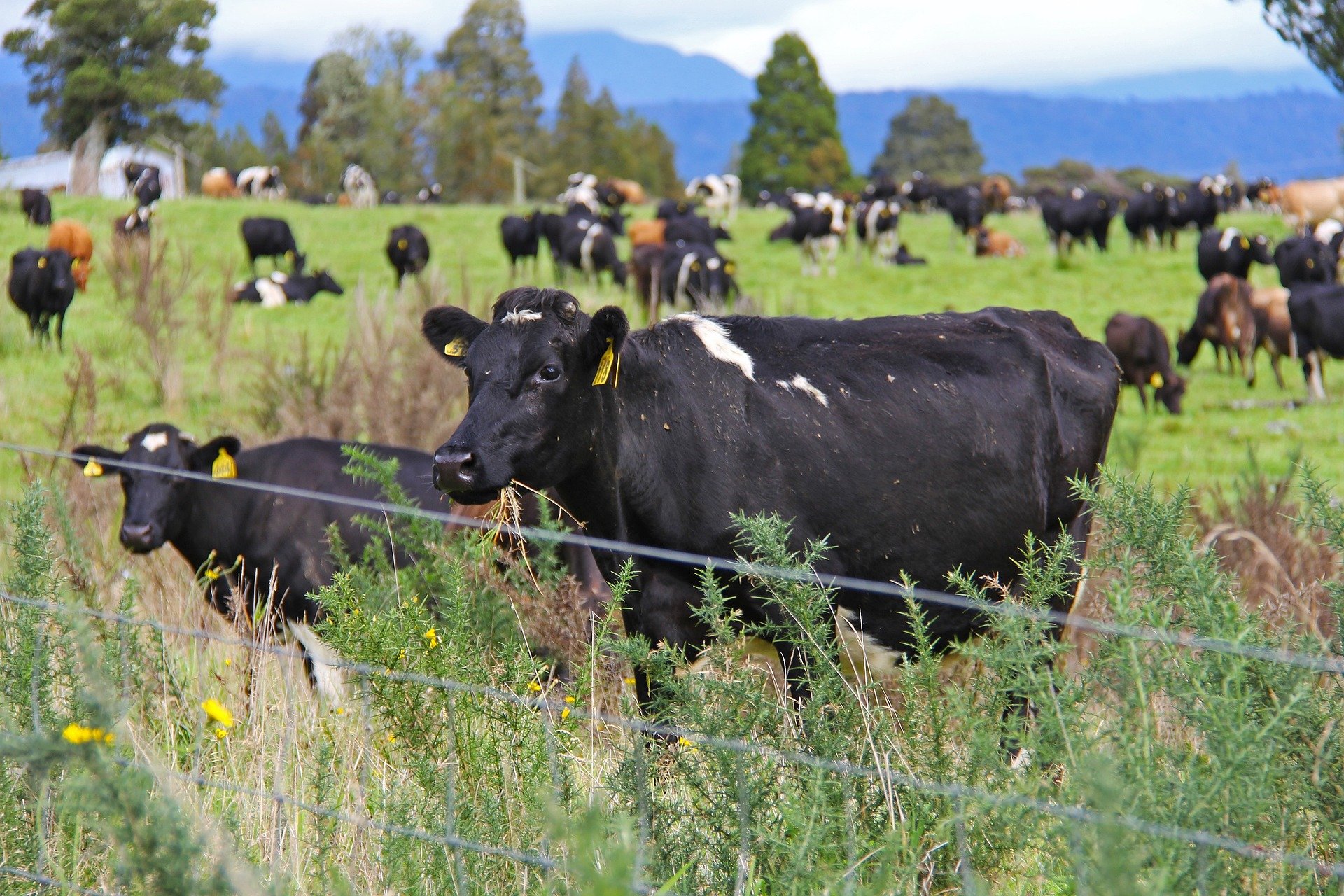
Those who make a profit from emissions are likely to have to pay for their emissions while voters who cannot change behaviour or take up low emissions lifestyles and ways of earning a living will move from accepting polluter pays arguments to arguing that profiteers from pollution should pay. It’s one thing to have to drive an old high emitting car to choosing to milk a cow for profit.



Lisa was born in Auckland at the start of the 1970s, living in a small campsite community on the North Shore called Browns Bay. She spent a significant part of her life with her grandparents, often hanging out at the beaches. Lisa has many happy memories from those days at Browns Bay beach, where fish were plentiful on the point and the ocean was rich in seaweed. She played in the water for hours, going home totally “sun-kissed.” “An adorable time to grow up,” Lisa tells me.
Lisa enjoyed many sports; she was a keen tennis player and netballer, playing in the top teams for her age right up until the family moved to Wellington. Lisa was fifteen years old, which unfortunately marked the end of her sporting career. Local teams were well established in Wellington, and her attention was drawn elsewhere.