




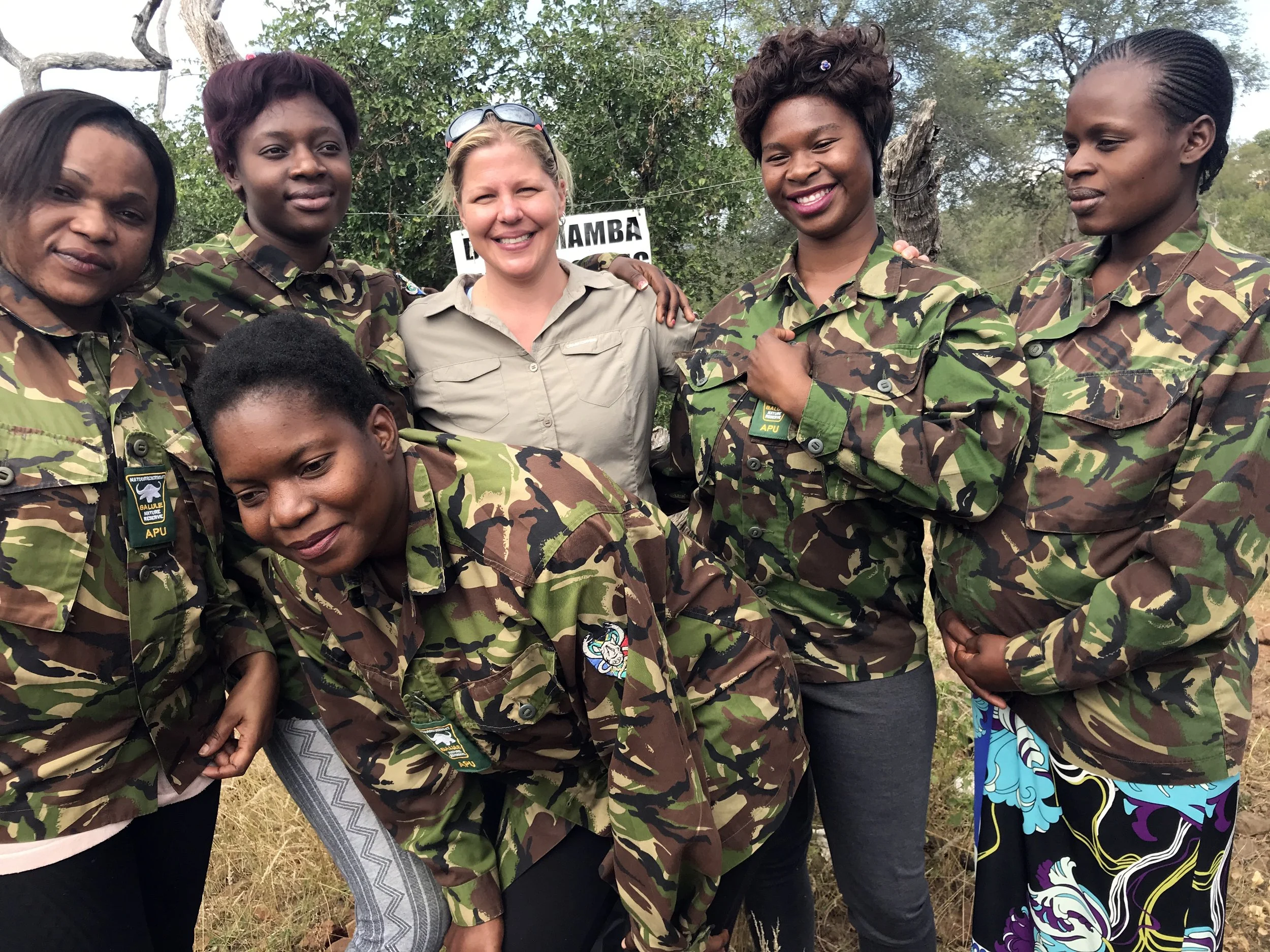
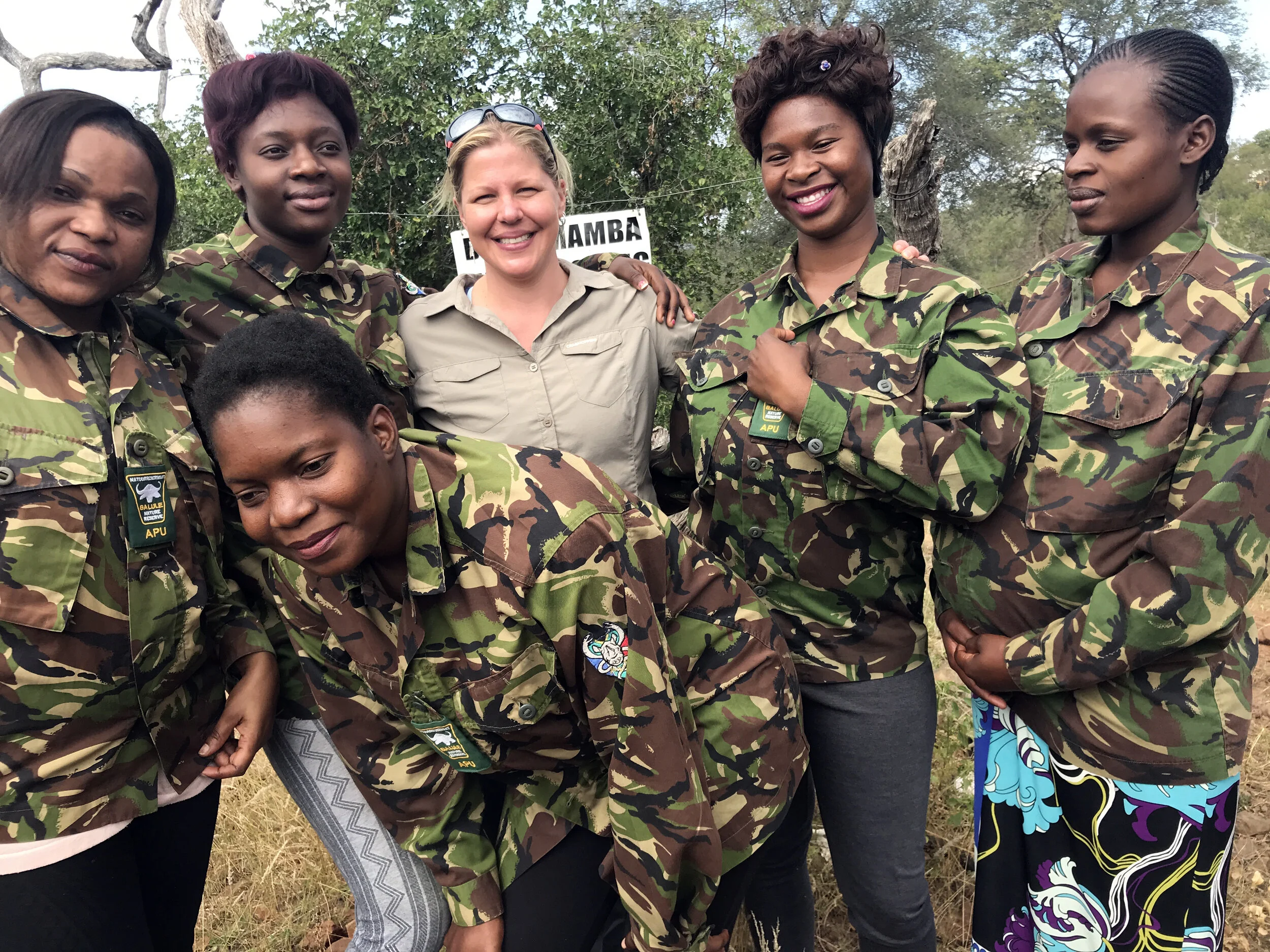
Part-time Kiwi launches world female ranger week
Otautahi – An international elephant saving organisation led by a part-time Kiwi is launching the second world female ranger day to help stop the annual poaching and killing of 35,000 African elephants.
The charity, How Many Elephants, will promote the World Female Ranger Week this week. This ground-breaking global awareness day will celebrate and support female anti-poaching rangers.
The event and How Many Elephants charity is run by Holly Budge who has lived in Franz Josef, Taupo and Christchurch.
She is the first woman to skydive and climb Mt Everest and has raced 1000km across Mongolia on horseback in a world record time. She was as a skydiving camera flyer at Taupo Tandem Skydiving.
“Through World Female Ranger Day there is an opportunity for women rangers in New Zealand to become part of a global community of female rangers around the world,” Budge says.
“Covid has taught us that we are all connected. Nothing exists in isolation. Whether we are talking about climate change, biodiversity loss or covid, it all relates to our fragile relationship with nature.
“The female rangers are bold, changing the game and paving the way for women to stand alongside men at the forefront of conservation, but they need allies.
“This week is just the second time that female wildlife rangers will be recognised collectively on a global interactive and fundraising-focused platform, to tell their stories, have access to peer support, offer and receive advice, and share knowledge.
“As champions of wildlife conservation, as role models, as educators and as beacons of hope, these women are not only transforming attitudes towards the role of women in Africa and beyond but are also showing the capabilities and success of females in traditionally male roles.
“Less than 11 percent of the global wildlife ranger workforce is female and covid has meant national park rangers have lost their jobs or having significant salary cuts.
“The knock-on effect of this is huge, as one ranger alone may support up to 16 family members. Additionally, reduced vigilance in tourist hotspots has left wildlife even more vulnerable to poaching. The work of rangers is paramount right now.”
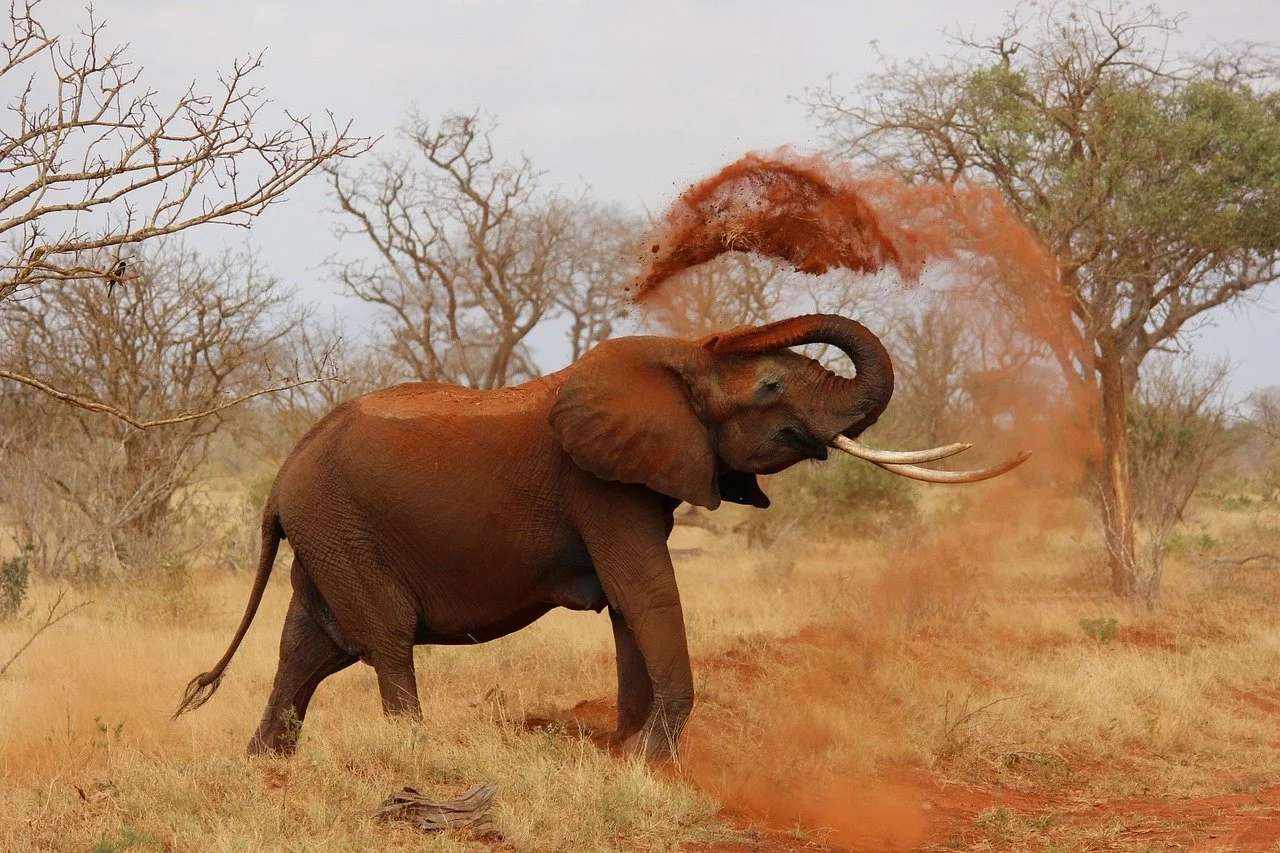
The African elephant numbers have shrunk during covid and are at an increased risk of extinction due to being poached for their ivory tusks and losing their natural habitats due to human activity.
The forest elephant is now listed as critically endangered and savanna elephants are listed as endangered in the International Union for Conservation of Nature red list of threatened species.
Photo: Holly Budge with African elephant female rangers

Lisa was born in Auckland at the start of the 1970s, living in a small campsite community on the North Shore called Browns Bay. She spent a significant part of her life with her grandparents, often hanging out at the beaches. Lisa has many happy memories from those days at Browns Bay beach, where fish were plentiful on the point and the ocean was rich in seaweed. She played in the water for hours, going home totally “sun-kissed.” “An adorable time to grow up,” Lisa tells me.
Lisa enjoyed many sports; she was a keen tennis player and netballer, playing in the top teams for her age right up until the family moved to Wellington. Lisa was fifteen years old, which unfortunately marked the end of her sporting career. Local teams were well established in Wellington, and her attention was drawn elsewhere.