




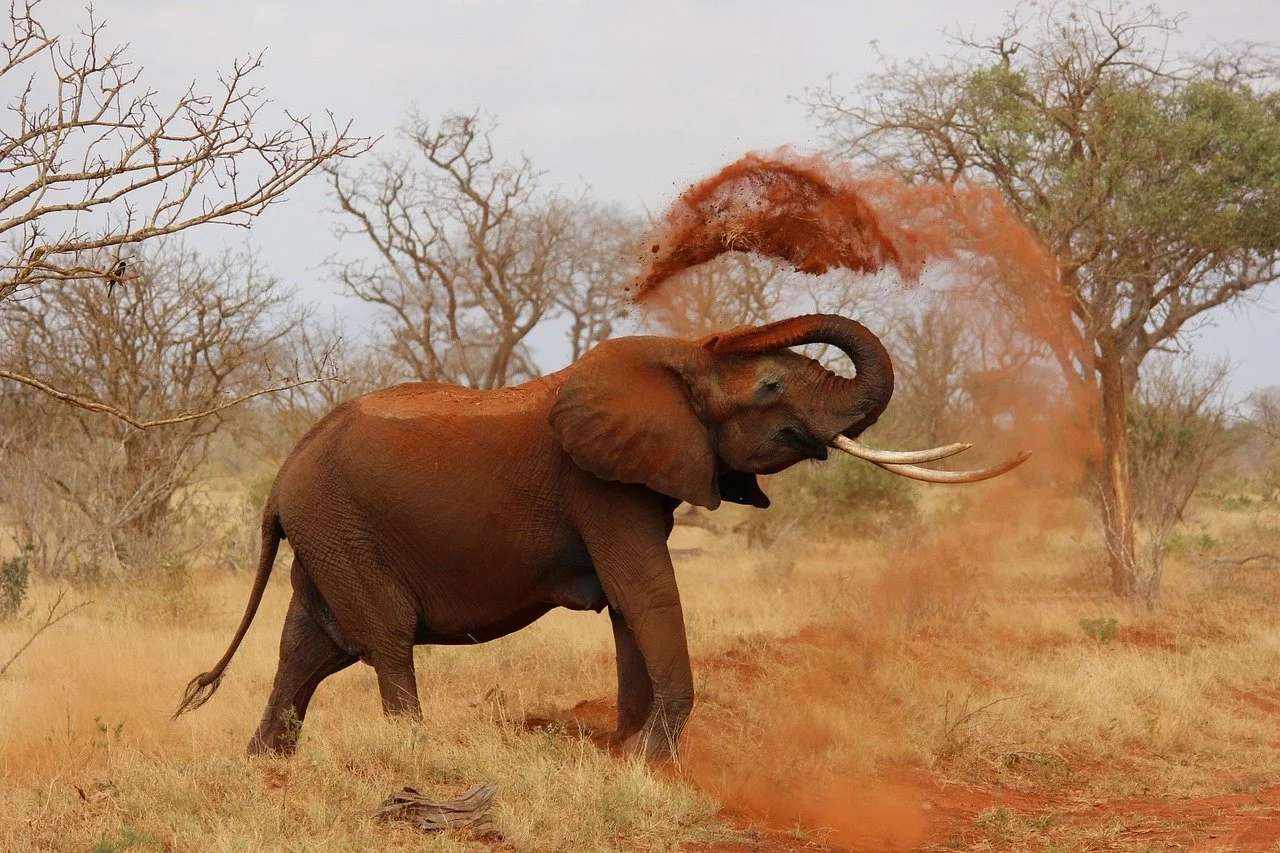
Climate crisis killing 20 times more elephants than poaching
Nairobi - Thousands of elephants are at risk from climate crisis-induced drought, according to the Kenyan wildlife and tourism ministry.
It says elephants are dying as a result of the climate crisis. The country is experiencing an extended period of drought, the likes of which it hasn’t seen since the 1980s.
Elephants have suffered as a result of extreme weather before, with almost 6000 dying during a prolonged drought in the 1970s.
In Kenya’s game reserves, rivers and watering holes have dried up. Grassland has shrivelled as well. These both represent a serious threat to life for large animals, such as elephants.
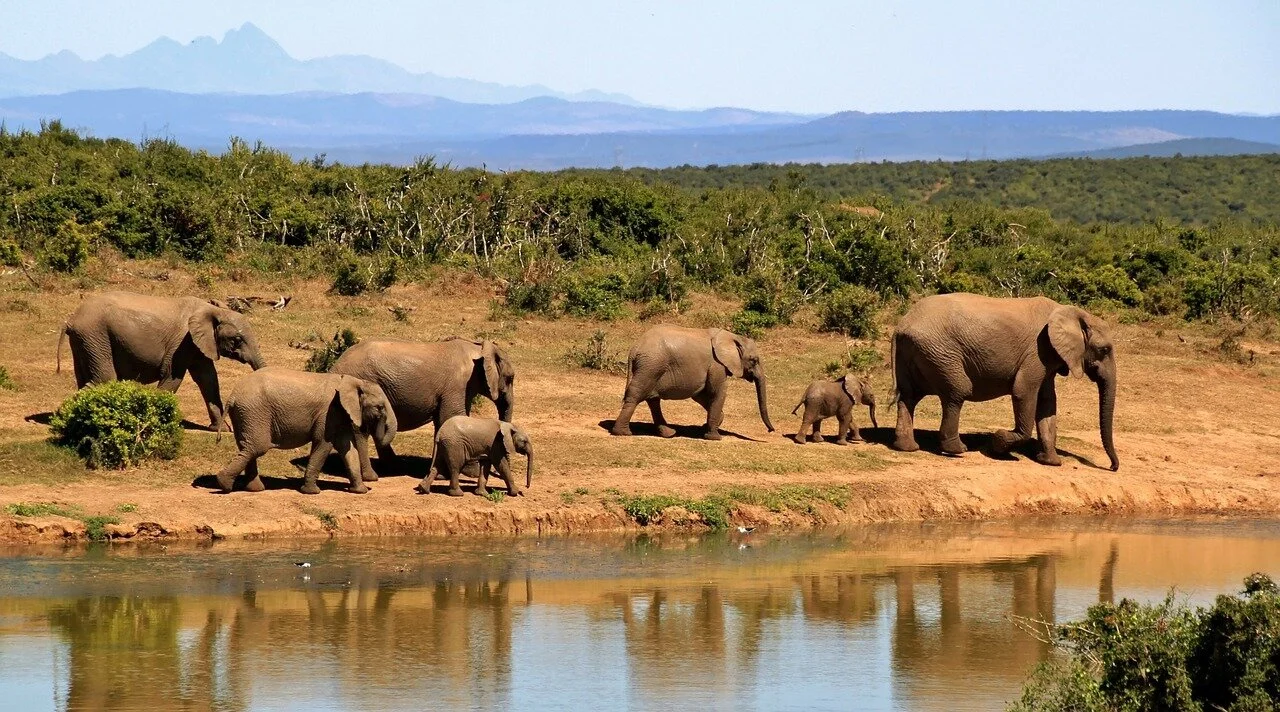
Per day, adult elephants eat around 300 kilograms of dry mass, such as grass, and drink up to 240 litres of water. With access to neither, elephants are dying and future generations are at risk.
Kenyan elephant research scientist Jim Nyamu says they expect many miscarriages of these elephants. The calves that manage to be born, have limited chance of survival.
Nyamu says the dryness of the bodies leaves no doubt that they died as a result of the drought.
How many elephants have died so far? Kenya is home to an estimated 36,000 elephants. At last count, by the end of June this year, 179 had died, supposedly as a result of the drought. By comparison, 10 have been killed by poachers.
Climate change kills 20 times more elephants than poaching. So it is a red alarm. Experts say Kenya has forgotten to invest in biodiversity management and ecosystems. They have only invested in illegal wildlife trade and poaching.
In collaboration with the African Wildlife Foundation, the ministry has increased the penalties for various wildlife crimes, including poaching. This has seen a significant reduction in the number of animals lost to ruthless hunters.
On a local level, Kenya Wildlife Services is taking point on restoration efforts but progress is limited. The organsation is planting drought resistant trees in some areas of the game reserves.
The rest of the world also has a key role to play in the conservation of Africa’s wildlife. The climate crisis is a human-created catastrophe which must now be alleviated through careful management of planetary heating.
The Paris Agreement states that the planet’s people must not allow the world’s temperature to increase by more than 1.5°C, in order to stay on track. Experts say to meet the target, an immediate move away from animal agriculture and meat consumption is essential.

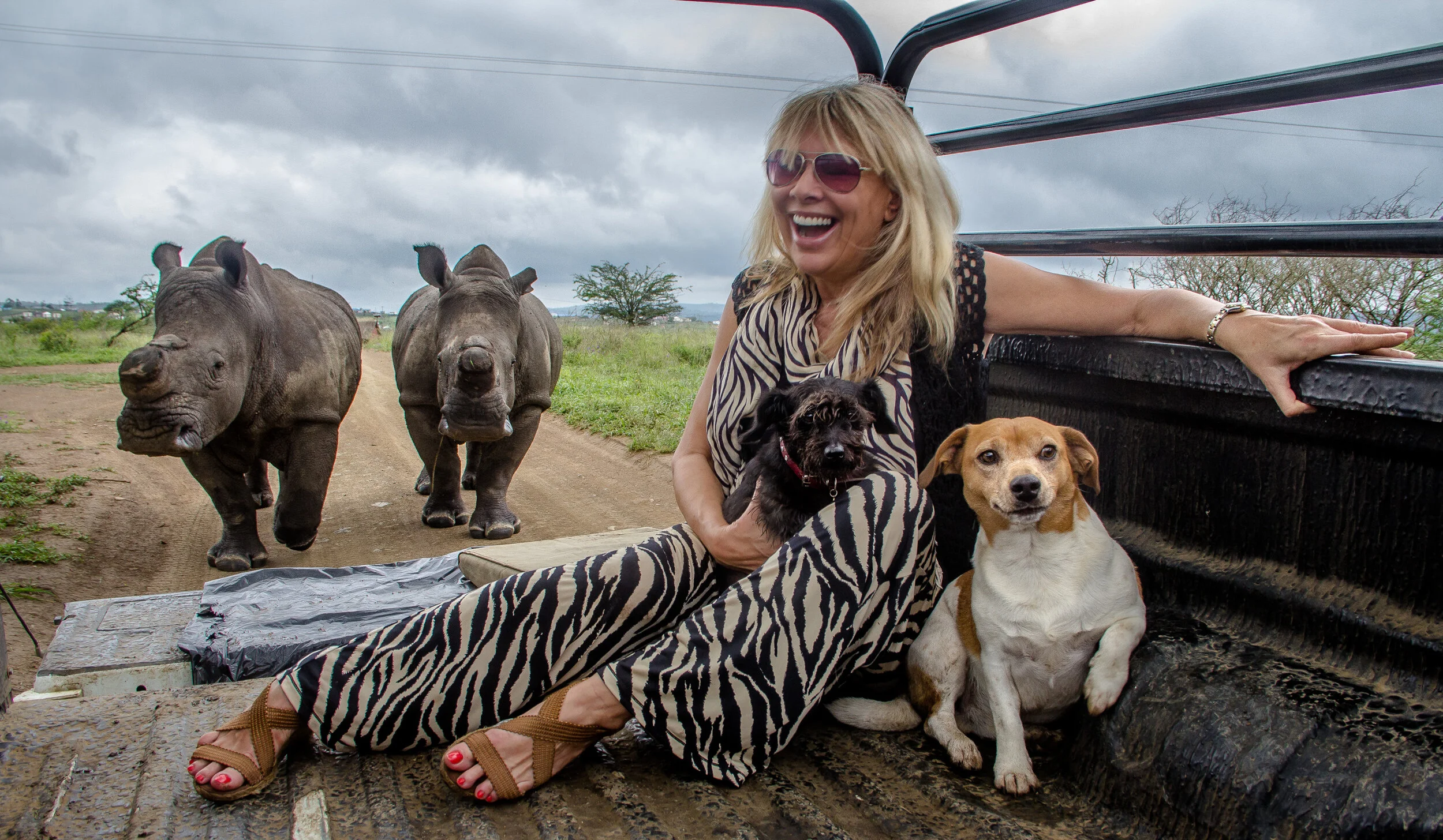
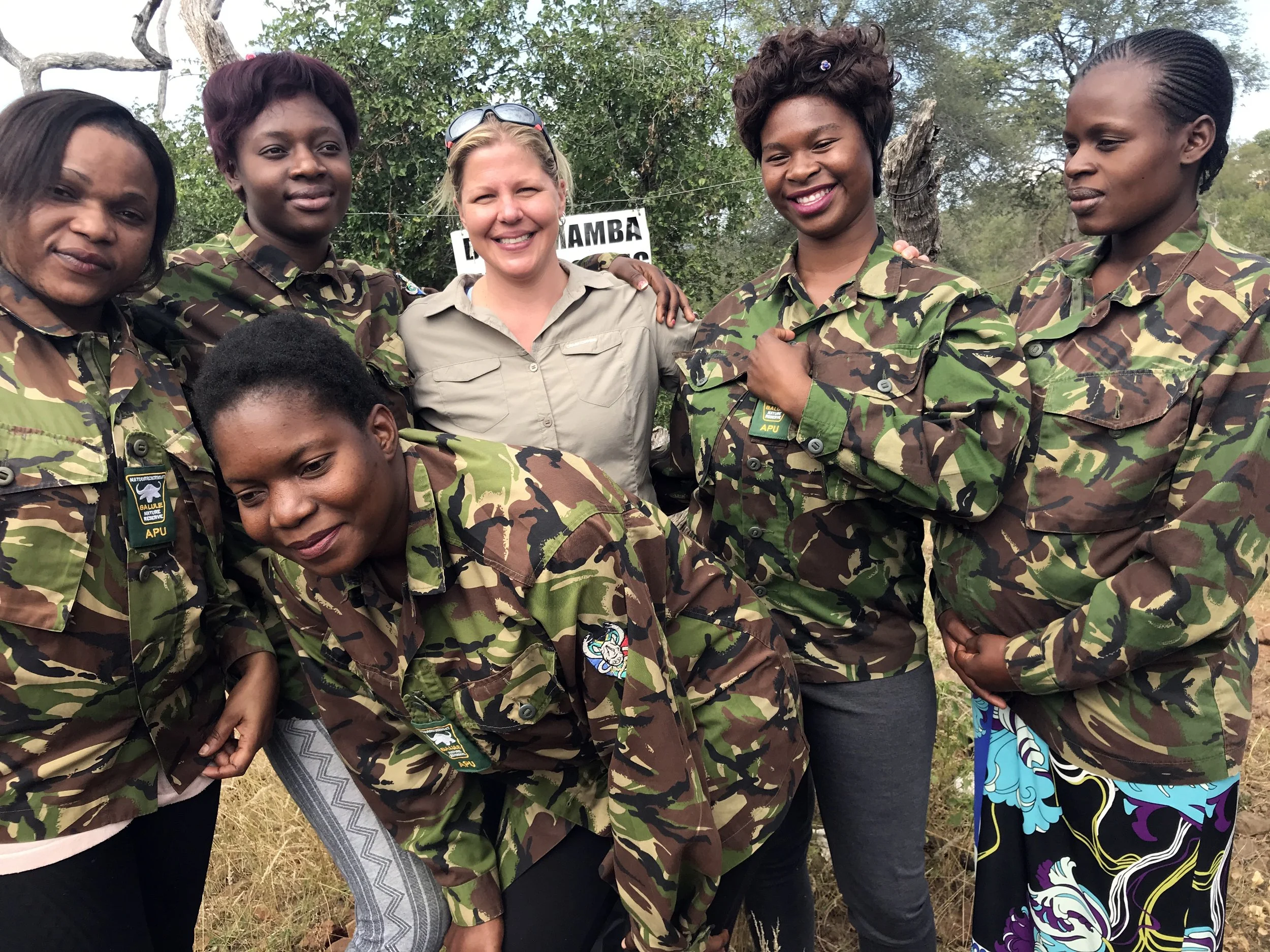
Lisa was born in Auckland at the start of the 1970s, living in a small campsite community on the North Shore called Browns Bay. She spent a significant part of her life with her grandparents, often hanging out at the beaches. Lisa has many happy memories from those days at Browns Bay beach, where fish were plentiful on the point and the ocean was rich in seaweed. She played in the water for hours, going home totally “sun-kissed.” “An adorable time to grow up,” Lisa tells me.
Lisa enjoyed many sports; she was a keen tennis player and netballer, playing in the top teams for her age right up until the family moved to Wellington. Lisa was fifteen years old, which unfortunately marked the end of her sporting career. Local teams were well established in Wellington, and her attention was drawn elsewhere.