





Kiwis' views about on screen and online
Kirikiriroa - New Zealanders are seeing harmful content and it worries them, a new research report by Te Mana Whakaatu Classification Office says.
Acting chief censor Rupert Ablett-Hampson says the research based on a nationally representative survey conducted by Kantar sought views on the classification system and about potential harms in movies, games, and online content.
Many Kiwis are watching films, shows and play games for entertainment.
Ablett-Hampson says New Zealanders do much of that online, which is also where people socialise and get information.
“We know that there can be harms in content so we decided to ask Kiwis about what they are watching and what concerns they have,” he says.
“New Zealanders think harmful content on screen and online is a real problem, whether for themselves, their loved ones, or the wider community. That concern is not surprising given how in recent years, online harms have reached into real life causing destruction and death.
“People are concerned about our tamariki and rangatahi, but this isn’t just a problem for children and young people. Harmful or offensive content can be hard to avoid at any age, and what people see can have a real impact on their own wellbeing. In one way or another, we’re all affected.”
Key findings are:
New Zealanders are concerned about children and young people seeing harmful content.
Most people think it’s hard to protect our kids online.
It’s common for people of all ages to see harmful content.
New Zealanders support regulation of harmful online content.
“This research comes at a good time as the government has commissioned a review of media and online content regulation. The review aims to design and implement a new approach to content regulation that minimises the risk of harm to New Zealanders.”
“People have told us there’s a lot that can be done to make things better including stronger regulation, better technical solutions, education, and tech/social media companies to take more responsibility and we hope these insights will help inform the government review.”
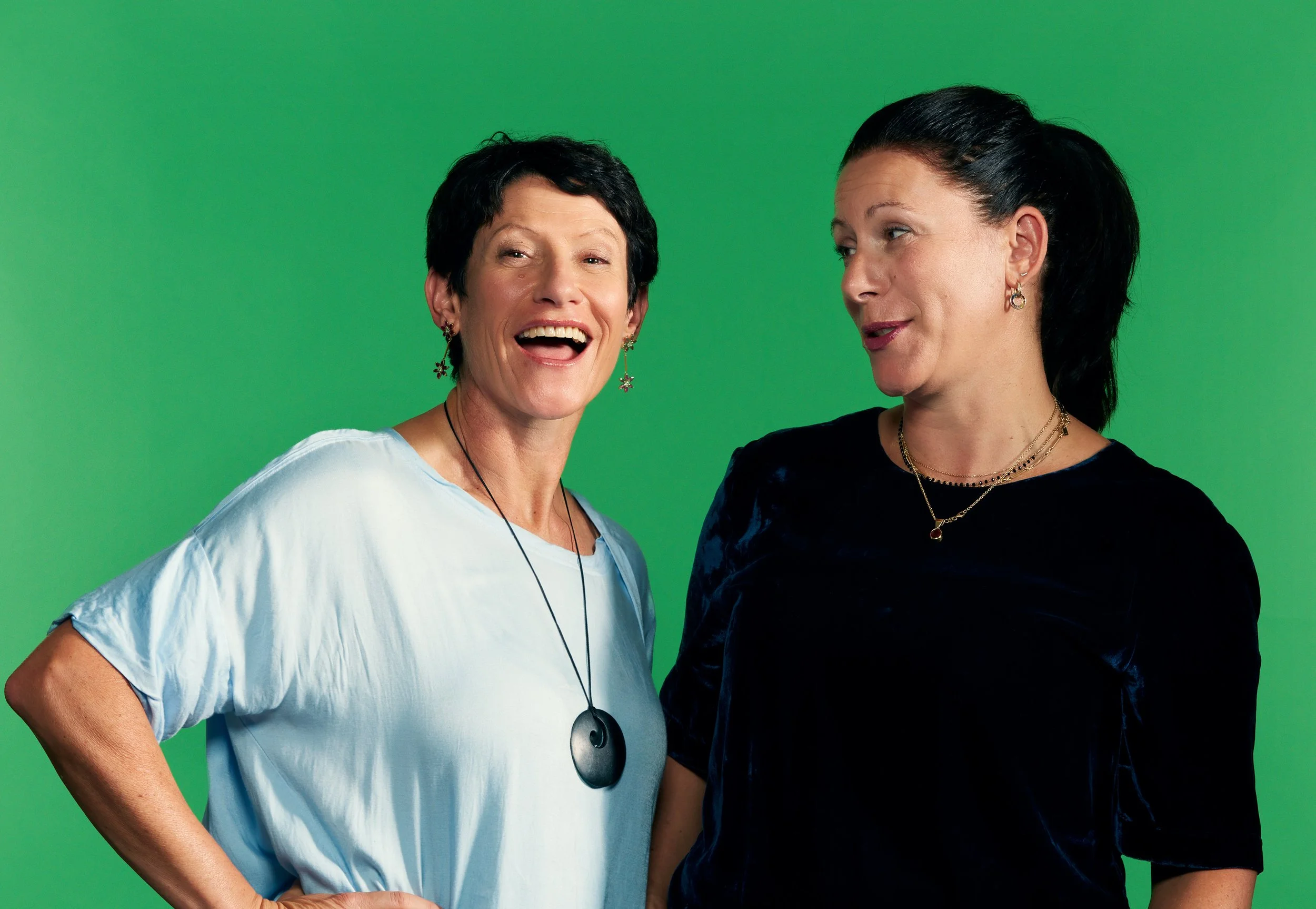



Lisa was born in Auckland at the start of the 1970s, living in a small campsite community on the North Shore called Browns Bay. She spent a significant part of her life with her grandparents, often hanging out at the beaches. Lisa has many happy memories from those days at Browns Bay beach, where fish were plentiful on the point and the ocean was rich in seaweed. She played in the water for hours, going home totally “sun-kissed.” “An adorable time to grow up,” Lisa tells me.
Lisa enjoyed many sports; she was a keen tennis player and netballer, playing in the top teams for her age right up until the family moved to Wellington. Lisa was fifteen years old, which unfortunately marked the end of her sporting career. Local teams were well established in Wellington, and her attention was drawn elsewhere.