





NZ research teams now able to access European green hydrogen expertise
Ōtautahi - Aotearoa has established a green hydrogen research programme with Germany in a move towards a more sustainable, low-emissions economy.
Research, science and Innovation minister Dr Ayesha Verrall says the research work will see
MBIE and the German ministry of education and research investing in significant green hydrogen research.
Green hydrogen could play an important part of the clean energy mix needed to ensure a sustainable future. New Zealand is investing $6 million in three projects with each receiving $2 million over three years.
The partnership will provide research opportunities in both countries through close cooperation in the development of new green hydrogen technologies and processes.
Green hydrogen could be an important part of the clean energy mix needed to ensure a sustainable future.
It could help New Zealand reach the goal of 100 percent renewable electricity by 2030 and to transition to a clean, green and carbon neutral economy by 2050.
Meanwhile, an equivalent German fund will provide funding for German green hydrogen research projects.
Germany is a major partner for New Zealand across many research fields and a world leader in green hydrogen research and development.
The research programme will create international collaboration opportunities that enrich our research excellence and impact through global connections.
Funded through the government’s catalyst fund, the projects are:
• the development of safe, low-cost hydrogen storage (led by Professor Sally Brooker from the University of Otago)
• investigating ways of producing low-cost green hydrogen (led by Dr Aaron Marshall from the University of Canterbury)
• the creation of a New Zealand-German platform for green hydrogen integration (led by Dr Jannik Haas from the University of Canterbury).
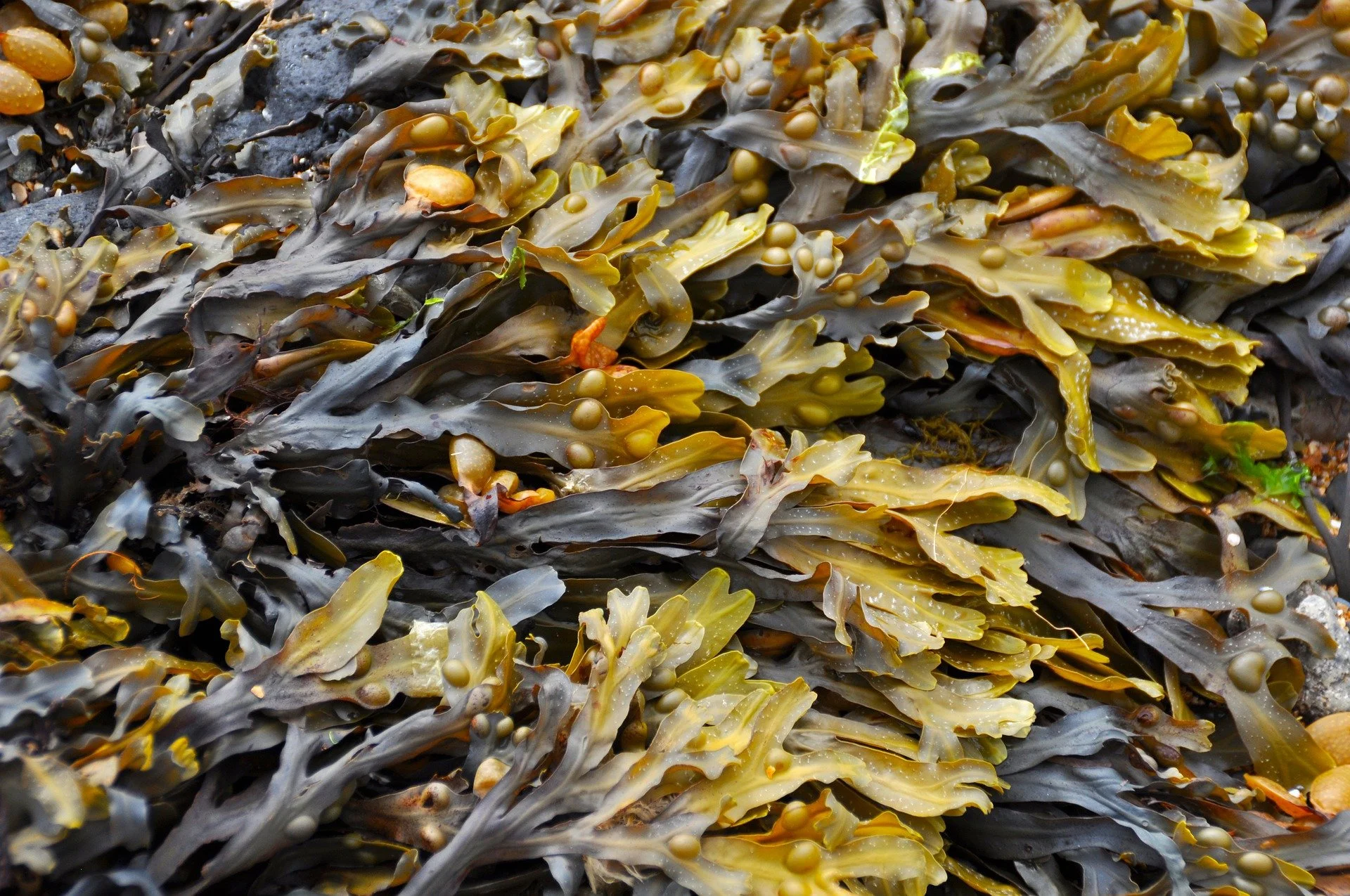


Lisa was born in Auckland at the start of the 1970s, living in a small campsite community on the North Shore called Browns Bay. She spent a significant part of her life with her grandparents, often hanging out at the beaches. Lisa has many happy memories from those days at Browns Bay beach, where fish were plentiful on the point and the ocean was rich in seaweed. She played in the water for hours, going home totally “sun-kissed.” “An adorable time to grow up,” Lisa tells me.
Lisa enjoyed many sports; she was a keen tennis player and netballer, playing in the top teams for her age right up until the family moved to Wellington. Lisa was fifteen years old, which unfortunately marked the end of her sporting career. Local teams were well established in Wellington, and her attention was drawn elsewhere.