




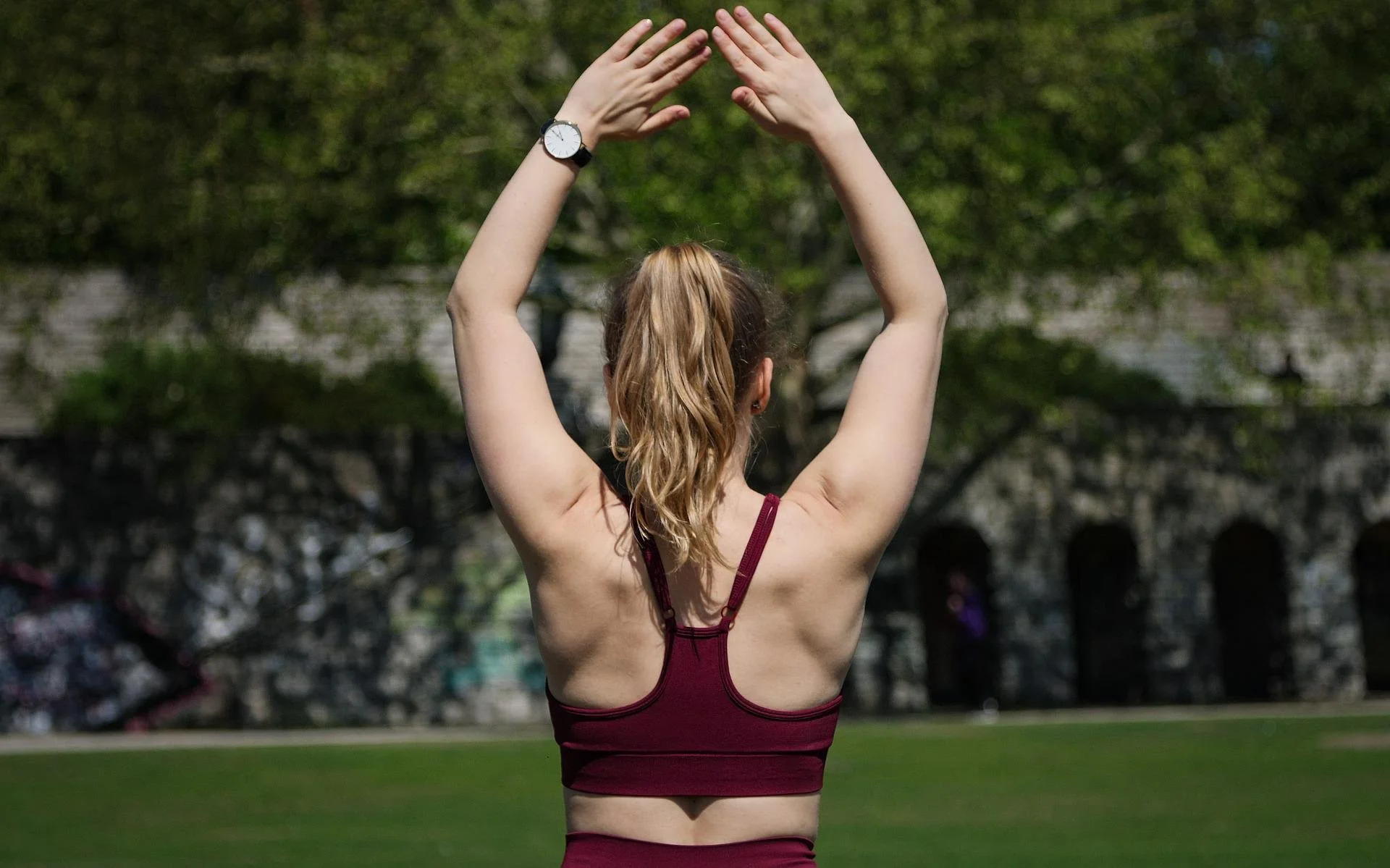
People who do strength training live longer and better
London - A consensus is building among academic researchers that both strength training and cardio are important for longevity.
Regular physical activity has many known health benefits, one of which is that it might help you live longer. But what’s still being determined are the types and duration of exercise that offer the most protection.
In a new study published inThe British Journal of Sports Medicine, researchers found while doing either aerobic exercise or strength training was associated with a lower risk of dying during the study’s time frame, regularly doing both, one to three hours a week of aerobic exercise and one to two weekly strength training sessions, was associated with an even lower mortality risk.
Switching from a sedentary lifestyle to a workout schedule is comparable to “smoking versus not smoking, the New York Times says.
The paper is the latest evidence in a trend showing the importance of strength training in longevity and overall health.
For the study, researchers used national health interview survey data, which followed 416,420 American adults recruited between 1997 and 2014.
Participants filled out questionnaires detailing the types of physical activity they had been doing, which included specifying how much moderate or vigorous exercise, along with how many sessions of muscle-strengthening exercises they did in a week.
After adjusting for factors such as age, gender, income, education, marital status and whether they had chronic conditions, such as diabetes, heart disease or cancer, researchers found people who engaged in one hour of moderate to vigorous aerobic activity a week had a 15 percent lower mortality risk.
Mortality risk was 27 percent lower for those who did three hours a week. But those who also took part in one to two strength-training sessions per week had an even lower mortality risk, a full 40 percent lower than those who didn’t exercise at all.
This was roughly the difference between a non-smoker and someone with a half-a-pack-a-day habit, researchers say.
It has been difficult to study longevity and strength training because so few people do it regularly, they say.
Just 24 percent of participants in the study did regular strength training as opposed to 63 percent who said they did aerobic workouts.




Lisa was born in Auckland at the start of the 1970s, living in a small campsite community on the North Shore called Browns Bay. She spent a significant part of her life with her grandparents, often hanging out at the beaches. Lisa has many happy memories from those days at Browns Bay beach, where fish were plentiful on the point and the ocean was rich in seaweed. She played in the water for hours, going home totally “sun-kissed.” “An adorable time to grow up,” Lisa tells me.
Lisa enjoyed many sports; she was a keen tennis player and netballer, playing in the top teams for her age right up until the family moved to Wellington. Lisa was fifteen years old, which unfortunately marked the end of her sporting career. Local teams were well established in Wellington, and her attention was drawn elsewhere.