




New expectations to empower survivors of national disasters
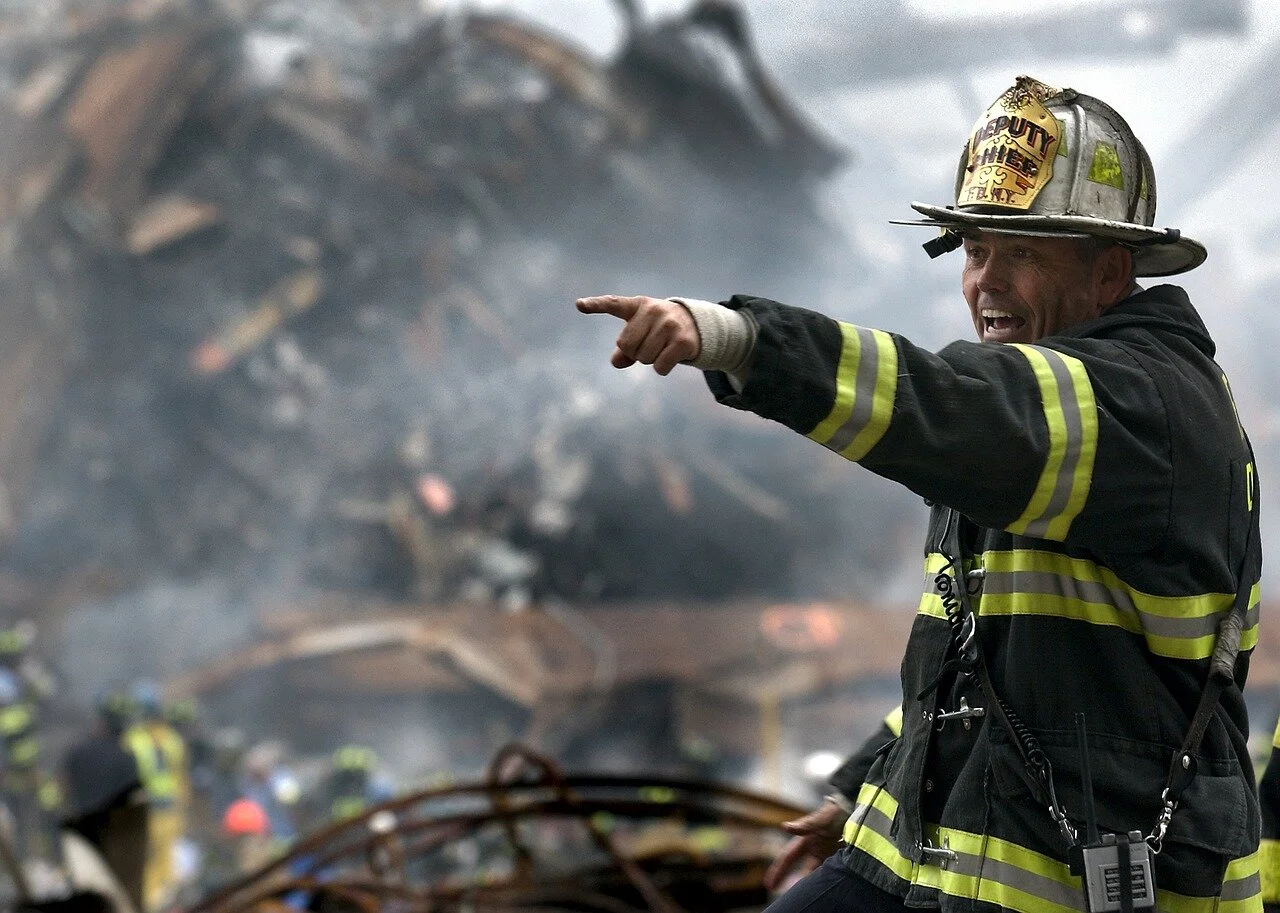
Te Whanganui-a-Tara - Survivors of Pike River, Aramoana, Cave Creek, the CTV building, March 15, Whakaari/White Island, forestry deaths have with the government launched new expectations for how the public service can learn from mistakes of the past.
Minister Responsible for Pike River Re-entry Andrew Little has joined survivors of some of Aotearoa’s most significant national disasters to launch a publication about how the public service will learn from the mistakes of the past and do better for survivors.
The Working With Survivors Model Standards was produced by Pike River families and Te Kawa Mataaho Public Service Commission. They also consulted and worked with survivors of other national disasters.
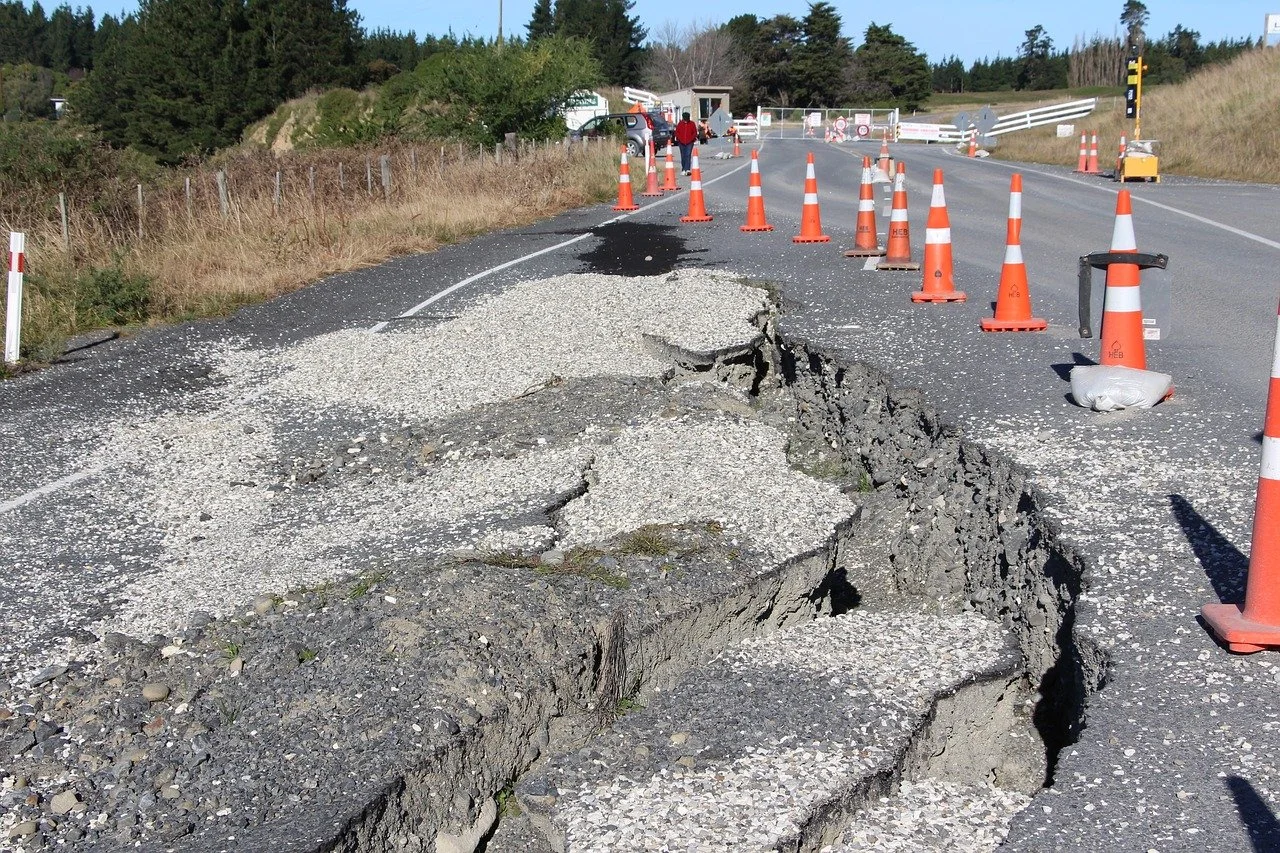
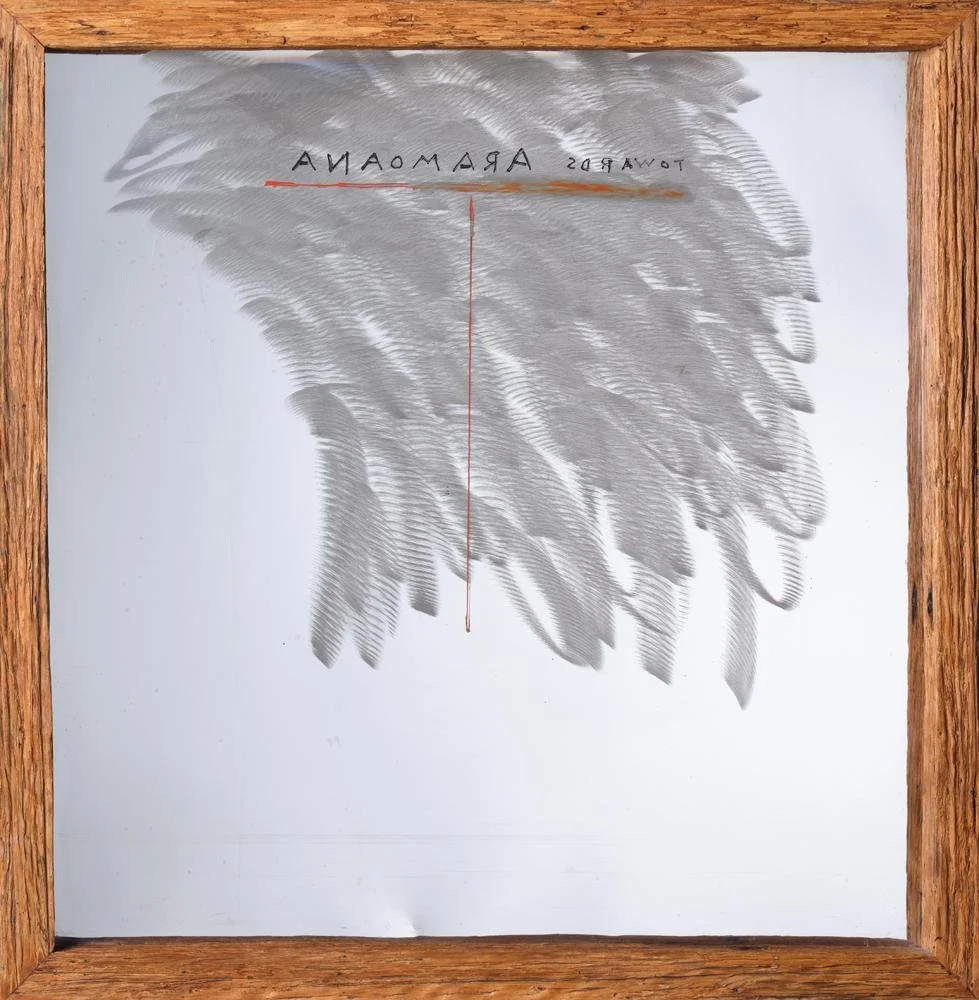
New Zealanders remember the most significant national disasters such as Aramoana, Cave Creek, Pike River, the Christchurch earthquakes, the March 15 terrorist attack, Whakaari/White Island eruption and other big events.
They are real stories of loss for Kiwi families and survivors. They are calls for Kiwis to learn the lessons and do what we can to prevent future disasters and better support survivors when they need it most.
Following the 2010 West Coast explosion, the Pike River survivors felt let down by the state. They say it would have made the biggest difference if: agencies had empowered survivors, were upfront, and had worked together for the benefit of all current and future survivors. That is what the new expectations seek to do.
It means following and supporting the journey survivors go through. In the immediate aftermath it’s about the necessities of life and reuniting loved ones. Next it’s helping with the adjustment to the new normal.
Finally it’s getting to the bottom of what happened, learning from it, and promoting healing.
A fundamental purpose of the completed Pike River re-entry project was to give the survivors closure and promote accountability.
That required every part of the project to be conducted in partnership with the Pike River and other the families. The new approach was the genesis of the expectations, and the same partnership model was used for their creation.
By leading the work to create the new expectations the Pike River families and their partners including other survivors, have laid the foundation for better support for survivors and families who experience future tragedies.
The new expectations are a first step in a journey of continual improvement. They will be updated as survivors and public service agencies share their experiences and ideas.


Lisa was born in Auckland at the start of the 1970s, living in a small campsite community on the North Shore called Browns Bay. She spent a significant part of her life with her grandparents, often hanging out at the beaches. Lisa has many happy memories from those days at Browns Bay beach, where fish were plentiful on the point and the ocean was rich in seaweed. She played in the water for hours, going home totally “sun-kissed.” “An adorable time to grow up,” Lisa tells me.
Lisa enjoyed many sports; she was a keen tennis player and netballer, playing in the top teams for her age right up until the family moved to Wellington. Lisa was fifteen years old, which unfortunately marked the end of her sporting career. Local teams were well established in Wellington, and her attention was drawn elsewhere.