





Litter robot cleaning beaches using AI
Sydney - A little robot BeachBot is using AI to clean up Australian and Dutch beaches, one cigarette butt at a time.
Cigarette butts are the most common and problematic types of beach litter, polluting marine environments with plastics and harmful chemicals.
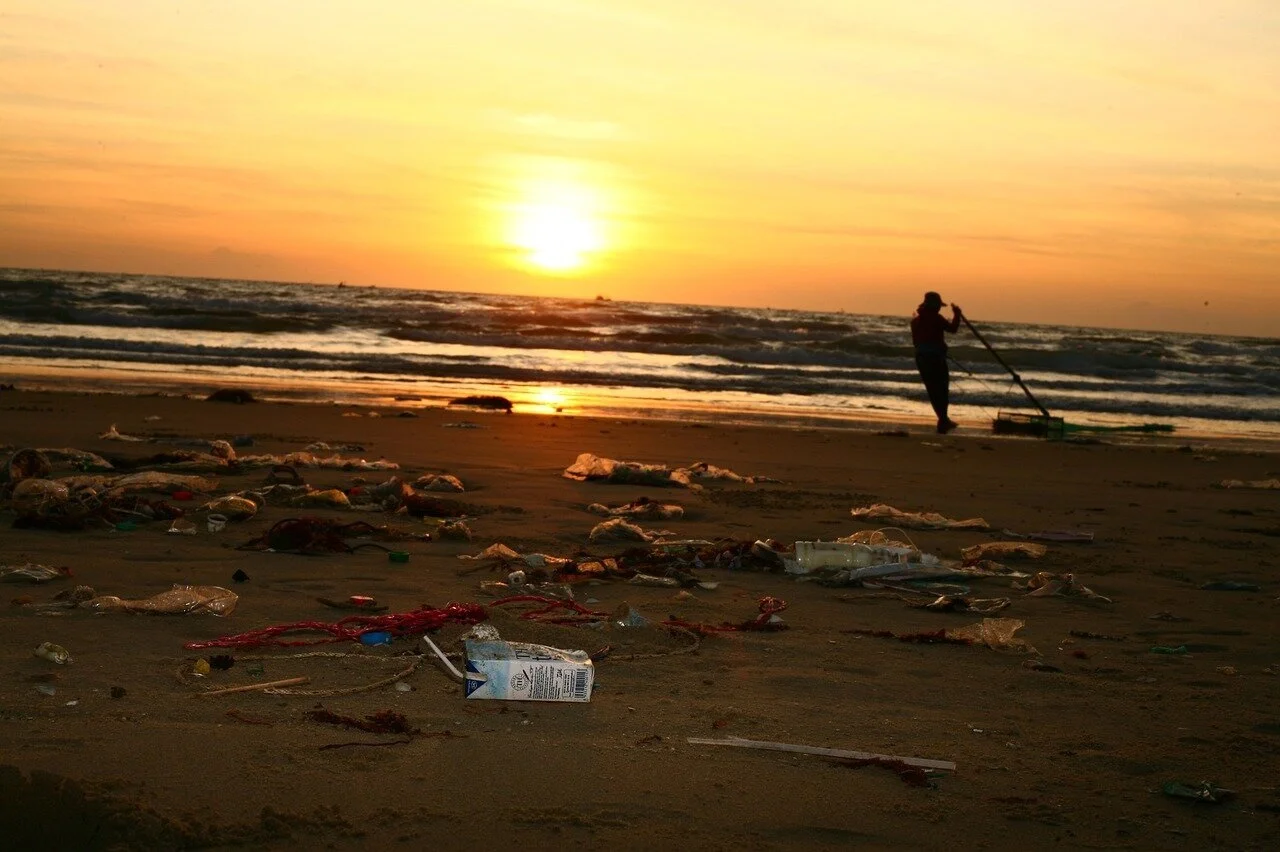
Robot litter picker, the BeachBot, detects trash and help clean up beaches. Plastic makes up most of the waste found on beaches and can harm animals which may get entangled, injured or swallow it.
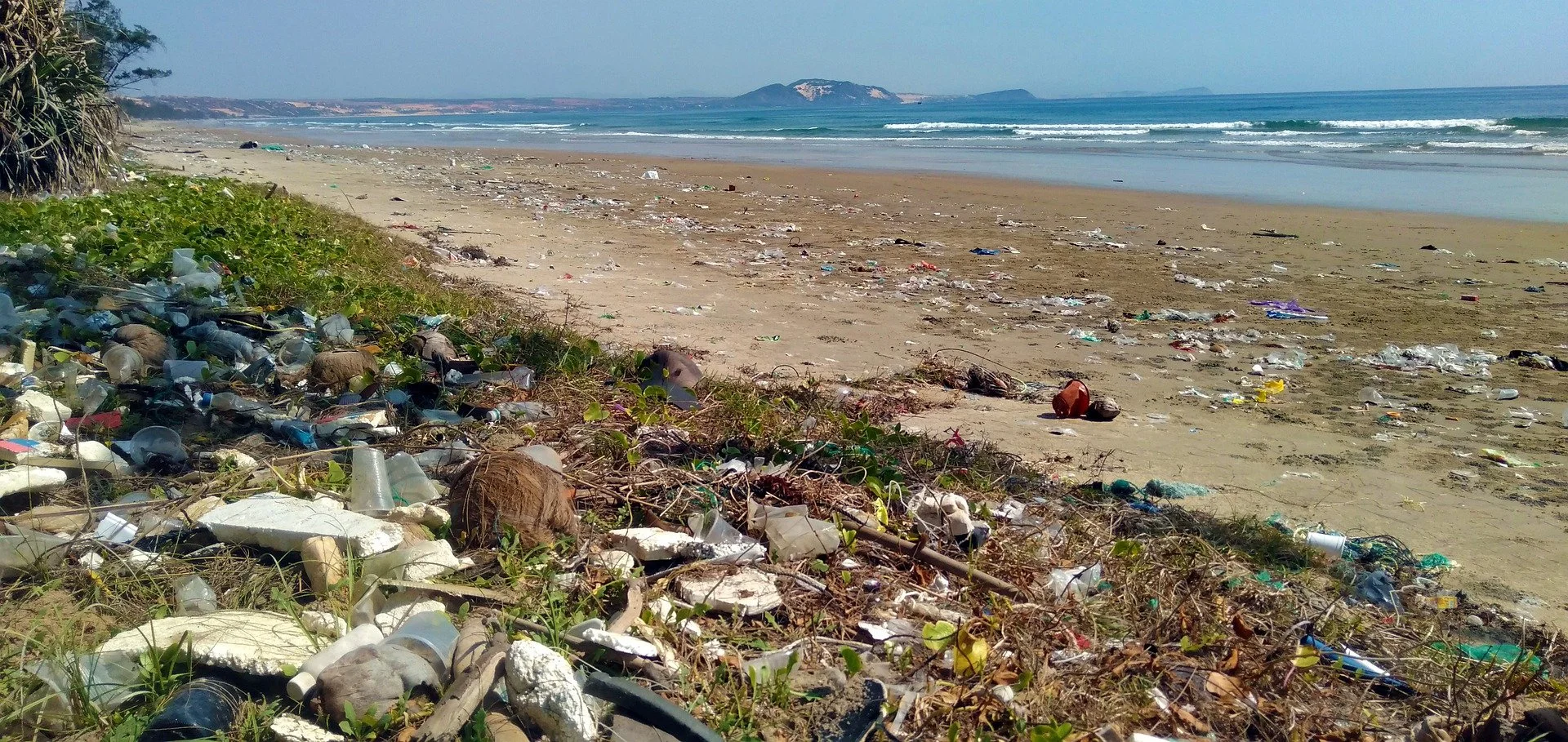
It seems many people leave behind more than just sandcastles when they go home after a trip to the beach. Beach litter is a recurring issue, and it is damaging our coastal environments and wildlife.
And there is one small item that is causing a big problem: cigarette butts. They may only be a few centimetres long, but they are full of microplastics and toxic chemicals that harm the marine environment. They don’t easily decompose, and when they come into contact with the water, harmful substances can leach out.
Unfortunately, they are also the most common type of litter, with an estimated 4.5 trillion discarded annually.
Using an artificially intelligent robot, two Dutch entrepreneurs are helping clean up some of the problem. The BeachBot is a specially designed machine that can identify and remove small items of litter from beaches. It uses image recognition to find butts in the sand and picks them up.
An accompanying app is also helping the robot get smarter. When it can’t identify litter with certainty, the robot takes a picture which the public can then identify, helping it learn for the future. The public can also help train the bot by supplying their own images of trash.
In this way, the BeachBot is also helping collect data and improve our understanding of the problem.
The bot has already been in action on a number of beaches in Holland, helping with clean-up projects.
And the designers are now working on a new project, the MAPP detection robot. These robots are designed to work in outdoor spaces like parks and beaches, mapping and collecting litter data. They are able to communicate with one another to collaboratively hunt for trash.
Marine litter harms wildlife, which can become entangled in it or ingest it, causing injury, drowning or suffocation. It is also a problem for coastal communities which rely on clean beaches for tourism, fishing and recreation.
As well as trash being left behind by beach visitors, beach pollution is also caused by plastics and other non-biodegradable waste being discarded into rivers and streams, eventually making its way to the ocean.
Most of the litter found on beaches is plastic, making up nearly 90 percent of all waste on some beaches, according to OSPAR, which monitors litter on beaches in the north-east Atlantic.


Lisa was born in Auckland at the start of the 1970s, living in a small campsite community on the North Shore called Browns Bay. She spent a significant part of her life with her grandparents, often hanging out at the beaches. Lisa has many happy memories from those days at Browns Bay beach, where fish were plentiful on the point and the ocean was rich in seaweed. She played in the water for hours, going home totally “sun-kissed.” “An adorable time to grow up,” Lisa tells me.
Lisa enjoyed many sports; she was a keen tennis player and netballer, playing in the top teams for her age right up until the family moved to Wellington. Lisa was fifteen years old, which unfortunately marked the end of her sporting career. Local teams were well established in Wellington, and her attention was drawn elsewhere.