




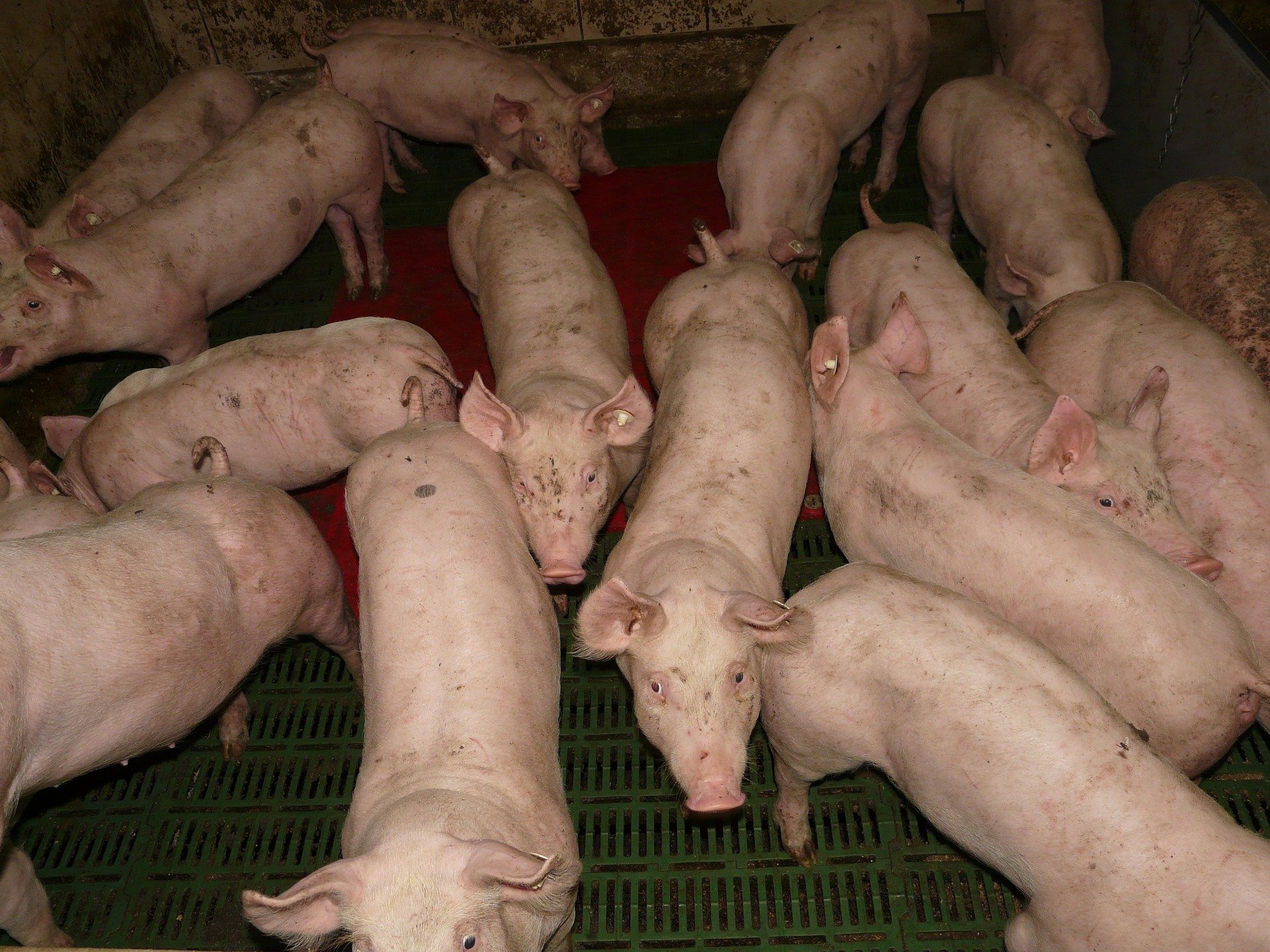
The ethical cost of some pig farming
Brisbane - An Australian animal rights group has launched an anti-bacon campaign after a report exposed the true cost of pig farming.
Animal Liberation Queensland (ALQ) has published a page report over 10 months visiting 44 farms around Queensland, Australia’s largest pork-producing state.
The organisation has created a new website called bacon.org.au which says the pork industry is “responsible for deeply troubling animal welfare issues that are often kept secret from the public.”
Issues discussed in the report include factory farms, painful mutilations, confinement, biosecurity issues, antibiotic resistance, disease, and pollution.
In New Zealand, pig farmers are in a dispute over farrowing crates, in a major shakeup to the way pork is produced.
Up to 60 percent of New Zealand pig farmers use the steel farrowing crates. The sows are put in them just before they give birth and they're kept there for up to five weeks after they've given birth.
Farmers and industry groups say the crates prevent the sows crushing the piglets to death, but animal welfare groups say they're bad for the mother pig's mental and physical health.
The ongoing use of farrowing crates was deemed unlawful in a 2020 High Court ruling and the government agreed to phase out their use by 2025.
In Queensland, ALQ conducted drone inspections. Investigators found exposed pig carcasses at 19 sites – a rate of 43 percent. Their says the issues could cause serious biosecurity risks for all Australians.
Mortality rates for pigs are among the highest for any farmed animal. It’s hardly a surprise when people can see the conditions these intelligent, sentient animals live and die in.
Factory farms are the ideal environment for bacteria and disease. In a world still recovering from the covid pandemic, it’s reasonable for Australians to expect a higher level of transparency and accountability from the pig industry.



Lisa was born in Auckland at the start of the 1970s, living in a small campsite community on the North Shore called Browns Bay. She spent a significant part of her life with her grandparents, often hanging out at the beaches. Lisa has many happy memories from those days at Browns Bay beach, where fish were plentiful on the point and the ocean was rich in seaweed. She played in the water for hours, going home totally “sun-kissed.” “An adorable time to grow up,” Lisa tells me.
Lisa enjoyed many sports; she was a keen tennis player and netballer, playing in the top teams for her age right up until the family moved to Wellington. Lisa was fifteen years old, which unfortunately marked the end of her sporting career. Local teams were well established in Wellington, and her attention was drawn elsewhere.