




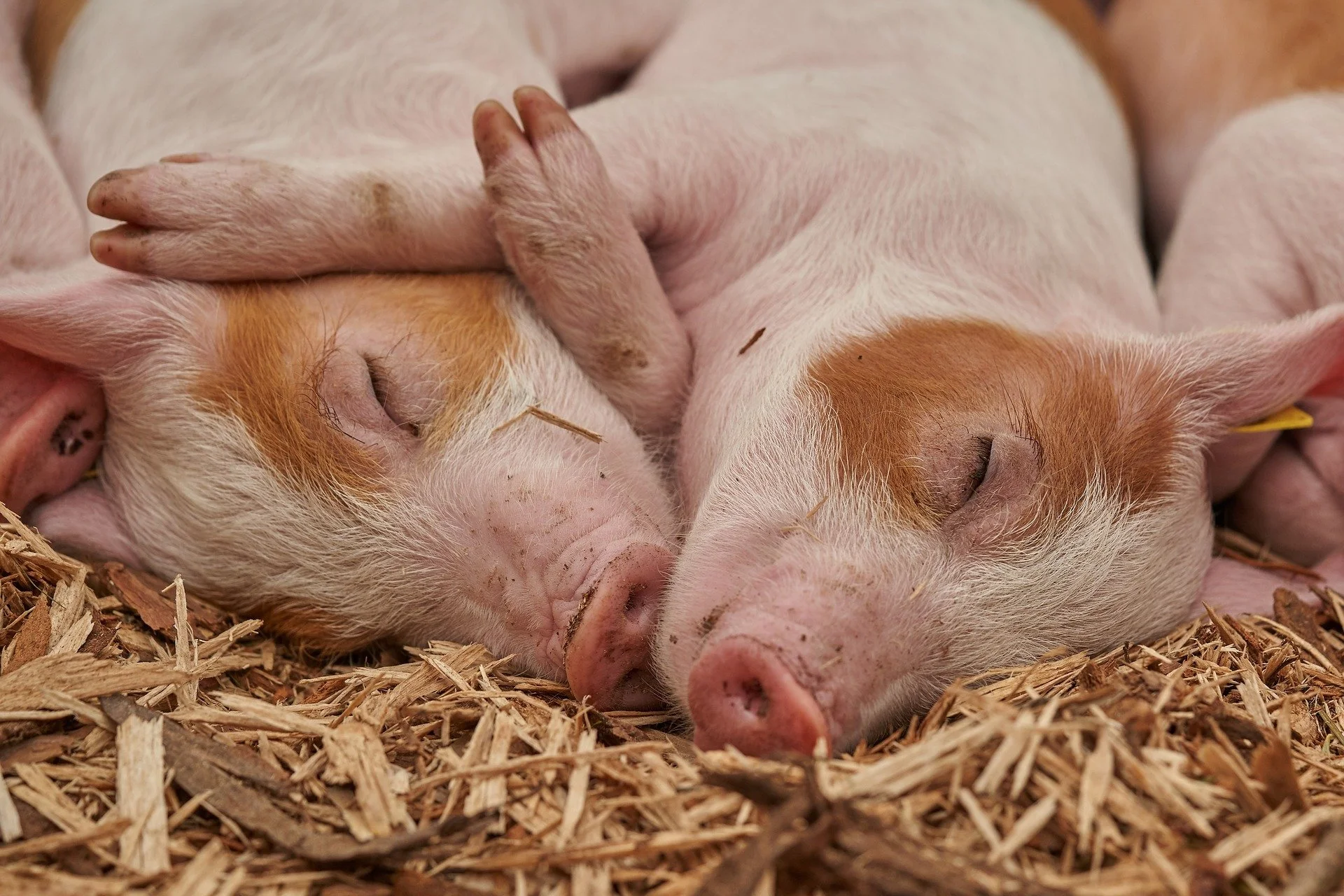
Pigs' emotions, decoded for the first time – research
Copenhagen - an international team of researchers is the first in the world to translate pig grunts into actual emotions across an extended number of conditions and life stages.
The research is led by the University of Copenhagen, the ETH Zurich and the France's National Research Institute for Agriculture, Food and Environment (INRAE), and can be used to improve animal welfare in the future.
The findings are that they can decode pigs' emotions. Using thousands of acoustic recordings gathered throughout the lives of pigs, from their births to deaths.
The international team of researchers from Denmark, Switzerland, France, Germany, Norway and the Czech Republic translated pig grunts into emotions. The findings have been published today in the Scientific Reports journal.
Using more than 7000 audio recordings of pigs, the researchers designed an algorithm that can decode whether an individual pig is experiencing a positive emotion such as happy or excited, a negative one like scared or stressed, or somewhere in between.
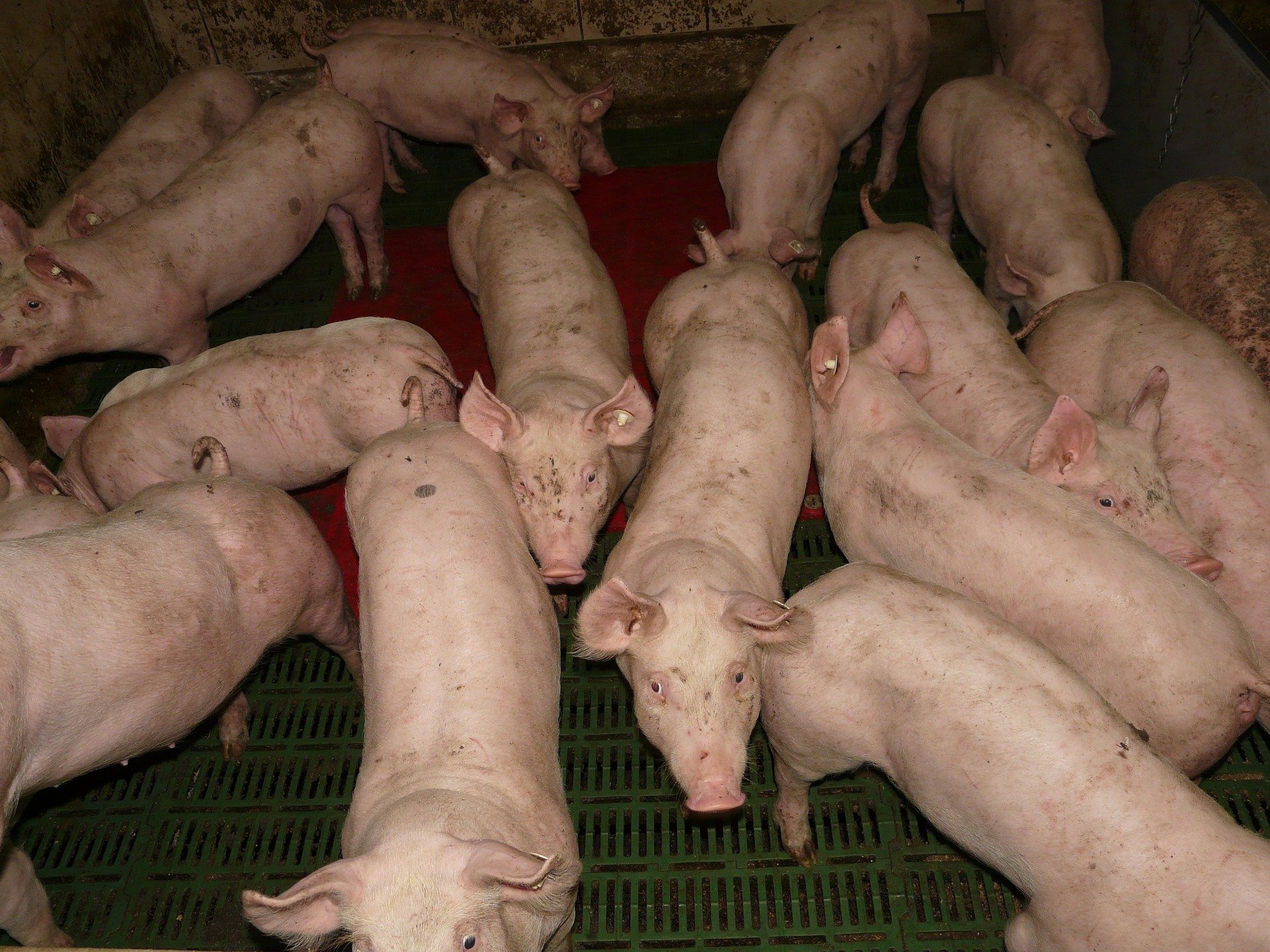
The researchers recorded pig sounds in both commercial and experimental scenarios, which based on the behaviour of the pigs, are either associated with a positive and negative emotion.
Positive situations included, for example, those when piglets suckle from their mothers or when they arere united with their family after being separated. The emotionally negative situations included, among others, separation, fights between piglets, castration and slaughter.
The researchers also placed new and unfamiliar objects in the arena for the pigs to interact with. Along the way, the pigs' calls, behaviour and heart rates were monitored and recorded when possible.
Researchers collected more high-frequency calls, such as screams and squeals, in negative situations. At the same time, low-frequency calls, such as barks and grunts, occurred both in situations where the pigs experienced positive or negative emotions.
The situations between the extremes were particularly interesting. With an even more thorough analysis of the sound files, the researchers found a new pattern that revealed what the pigs experienced in certain situations in even greater detail.
The study of animal emotions is a relatively new field that has come about over the last 20 years. Today, it is widely accepted that the mental health of livestock is important for their overall well-being.
Nevertheless, today's animal welfare focuses primarily on the physical health of livestock. Indeed, several systems exist that can automatically monitor an animal's physical health for a farmer.



Lisa was born in Auckland at the start of the 1970s, living in a small campsite community on the North Shore called Browns Bay. She spent a significant part of her life with her grandparents, often hanging out at the beaches. Lisa has many happy memories from those days at Browns Bay beach, where fish were plentiful on the point and the ocean was rich in seaweed. She played in the water for hours, going home totally “sun-kissed.” “An adorable time to grow up,” Lisa tells me.
Lisa enjoyed many sports; she was a keen tennis player and netballer, playing in the top teams for her age right up until the family moved to Wellington. Lisa was fifteen years old, which unfortunately marked the end of her sporting career. Local teams were well established in Wellington, and her attention was drawn elsewhere.