




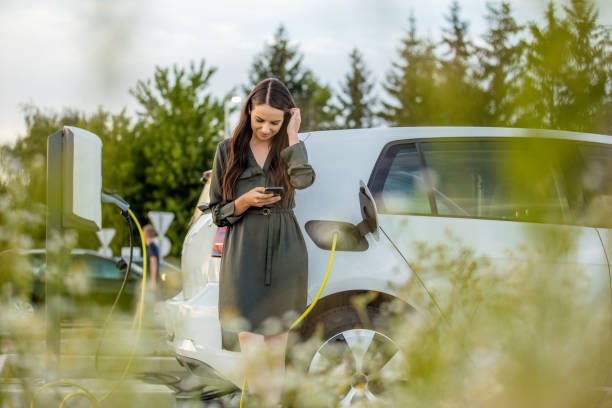
Biggest NZ display of new battery EV tech
Ōtautahi - More than50 battery electric cars EVs), vans, off-roaders, motorcycles, mopeds and a ute, Christchurch is staging the largest display of new battery electric vehicles in the country on September 17 and 18.
The vehicles will cover a range of price points at the Te Pae Convention Centre.
They include Audi, BMW, BYD, Ford, Hyundai, Jaguar, Kia, Lexus, Mazda, Mercedes-Benz, Mini, Nissan, Peugeot, Polestar, Porsche, Subaru, Tesla, Volkswagen and LDV.
Christchurch City Council, which is running the event, has set a target to halve the city’s greenhouse gas emissions by 2030, excluding methane, which has a 25 per cent reduction target from the baseline set in the 2016-17 financial year.
On-road petrol and diesel transportation make up about 36 percent of the city’s district’s emissions so it is critical region is making the move to zero exhaust emission vehicles as soon as possible as well as using other modes of zero emission transportation.
Global vehicle manufacturers are shifting away from petrol and diesel towards a total electric future.
But surprisingly, electric vehicles (EVs) have been around since car manufacturing began.
As early as 1881, battery-operated buses were used in Paris, expanding to Berlin, London, and New York.
With the threat of climate change, EVs' environmental credentials are finally overcoming the century-long dominance of the fossil-fuel-powered car.
The largest US manufacturer, General Motors, says it will phase out fossil-fuel vehicles by 2035. Norway has set a goal to end sales of new petrol and diesel cars by 2025, the UK by 2030, and France by 2040.
Today, the electric car’s hour seems to have finally come. In an era of climate change, tightening regulations aimed at the internal combustion engine are producing real change. In 2021, road vehicles produced 17 percent of global carbon dioxide emissions.
The electric vehicle’s environmental credentials noted by consumers in the early 20th as well as early 21st century are overcoming the century-long dominance of the fossil-fuel-powered car. Rather than being new, electric cars have played and are now winning the long game.


Lisa was born in Auckland at the start of the 1970s, living in a small campsite community on the North Shore called Browns Bay. She spent a significant part of her life with her grandparents, often hanging out at the beaches. Lisa has many happy memories from those days at Browns Bay beach, where fish were plentiful on the point and the ocean was rich in seaweed. She played in the water for hours, going home totally “sun-kissed.” “An adorable time to grow up,” Lisa tells me.
Lisa enjoyed many sports; she was a keen tennis player and netballer, playing in the top teams for her age right up until the family moved to Wellington. Lisa was fifteen years old, which unfortunately marked the end of her sporting career. Local teams were well established in Wellington, and her attention was drawn elsewhere.