




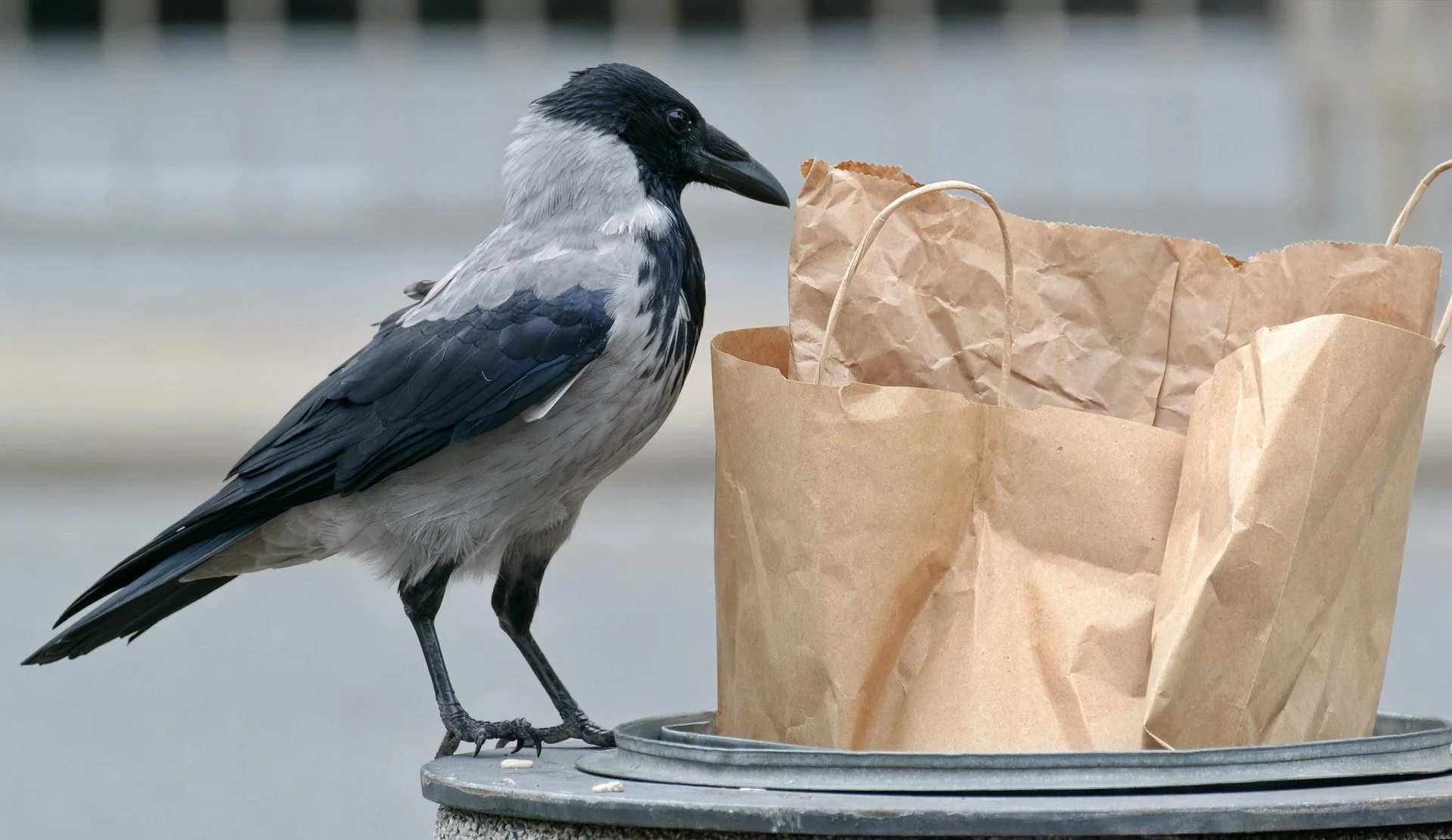
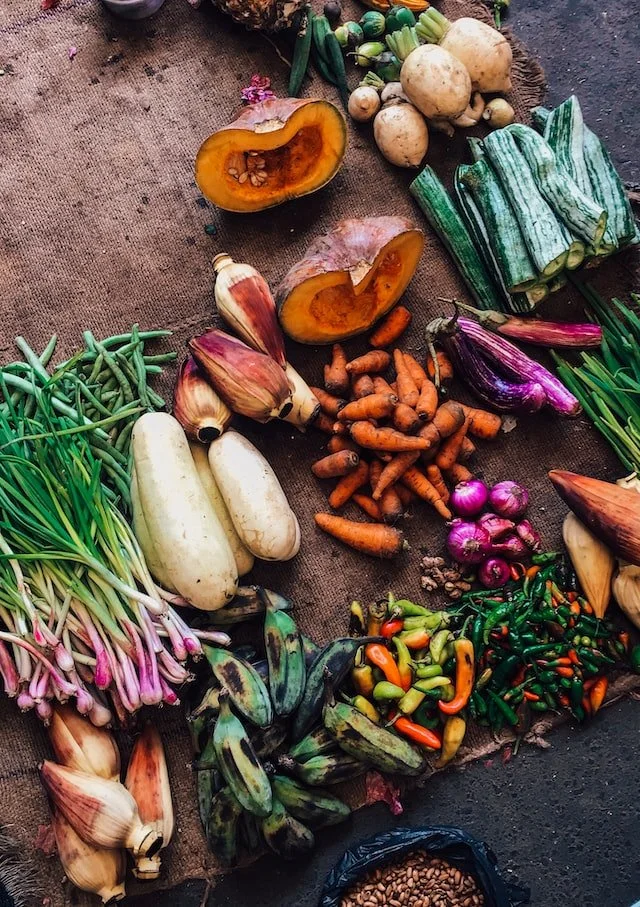
Helping kiwis reduce food waste
Kirikiriroa - Kiwis throw out about 100,000 tonnes of food every year.
This month, Love Food Hate Waste Aotearoa NZ is calling for households to be aware of the food they’re wasting and take simple steps to reduce it.
WasteMINZ’s love food hate waste campaigner Sarah Pritchett says the estimated value of food waste per New Zealand household is worth about $1520 per year. Nationally it equates to $3.1 billion of food wasted food.
“Around a third of the food produced globally is lost or wasted. Food waste has a real impact on our climate, and it is something that every household can take action on,” Pritchett says.
“The devastating impacts of Cyclone Gabrielle on our food producers and the flow on effect on food prices emphasises the urgent need for households to think about how they use their food.
“Maybe people should give meal planning a go or learn about better ways to store produce to keep it fresher longer, or just be creative when using up leftovers. Every small action makes a difference."
#FoodWasteActionWeek began in the UK in 2021 in support of the UN sustainable development goal 12.3 to halve food waste by 2030.
This year’s theme is win, don't bin and it will demonstrate how valuable food is in people’s lives, how it unites people and how using up everything we buy saves money, time and the planet.
The main aim of this theme is to help people use up leftovers in safe and delicious ways. Leftovers are sometimes undervalued but are a fantastic tool in reducing food waste and food bills.
The campaign says to keep an eye on the love food hate waste facebook and instagram page over the week for great recipes for leftovers and take their quiz to help discover tips on how to use up food people already got at home.
WasteMINZ is the largest representative body of Aotearoa New Zealand's waste, resource recovery and contaminated land sectors, and coordinates love food hate waste campaign.


Lisa was born in Auckland at the start of the 1970s, living in a small campsite community on the North Shore called Browns Bay. She spent a significant part of her life with her grandparents, often hanging out at the beaches. Lisa has many happy memories from those days at Browns Bay beach, where fish were plentiful on the point and the ocean was rich in seaweed. She played in the water for hours, going home totally “sun-kissed.” “An adorable time to grow up,” Lisa tells me.
Lisa enjoyed many sports; she was a keen tennis player and netballer, playing in the top teams for her age right up until the family moved to Wellington. Lisa was fifteen years old, which unfortunately marked the end of her sporting career. Local teams were well established in Wellington, and her attention was drawn elsewhere.