




Five projects to reduce massive food waste in NZ
Otautahi - The New Zealand government is funding five projects to help address the growing problem of food waste.
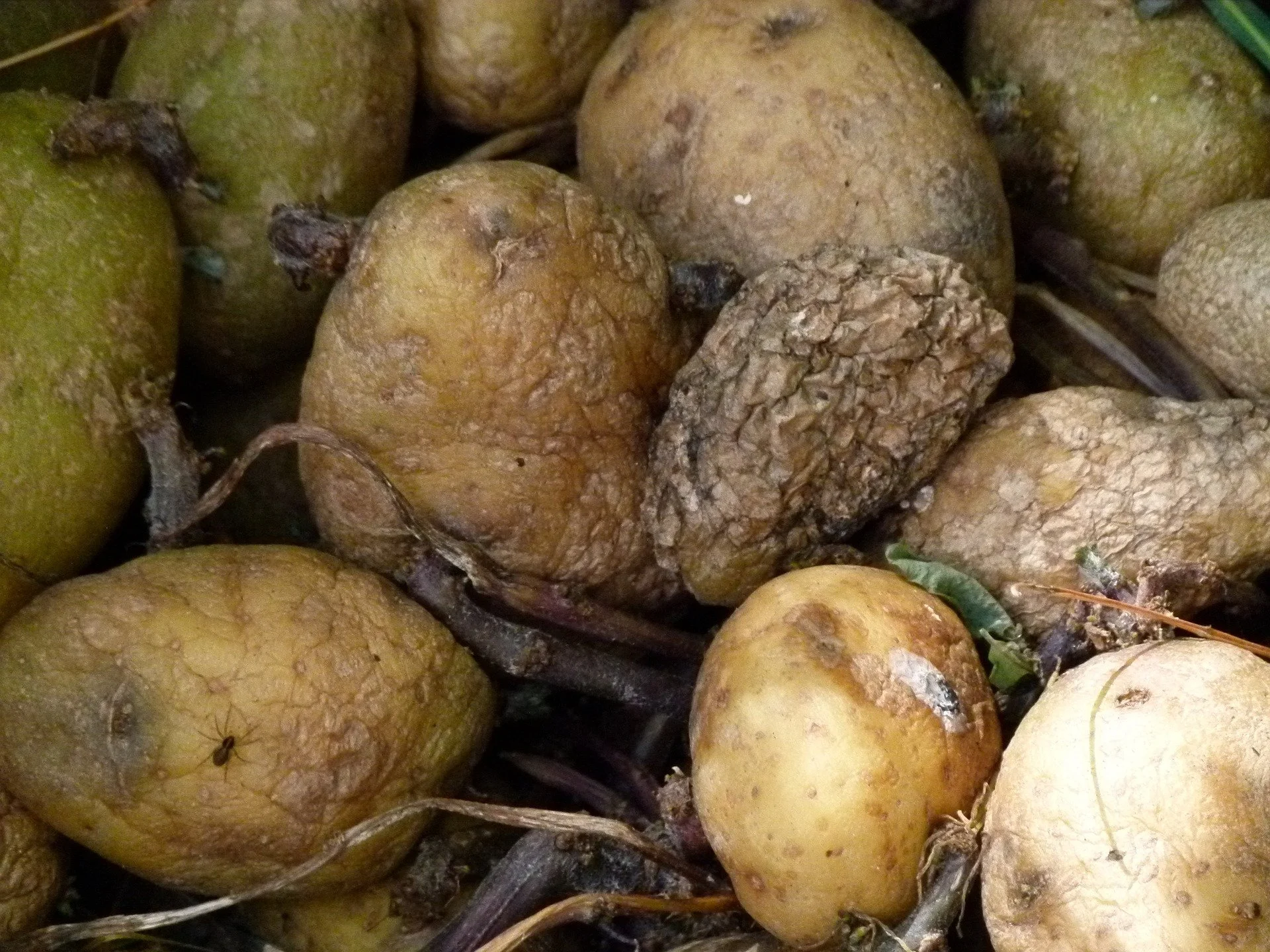
Kiwi households throw away nearly 300,000 tonnes of food every year, half of which could still be eaten. Covid has not helped.
Millions of people worldwide suffer from malnutrition, yet 1.3 billion tonnes of food is thrown away each year.
Around 931 million tonnes of food goes to waste each year. Sixty one percent comes from households and 26 percent from food services.
Reducing waste could have social, economic and environmental benefits. About 931 million tonnes of food goes to waste each year.
Food waste burdens waste management systems, increases food insecurity and is a major contributor to the global problems of climate change, biodiversity loss and pollution.
The UN’s Food and Agriculture Organisation has put out a list how to change habits:
1) Buy only what you need. Make a list and stick to it
2) Don’t be prejudiced. Purchase ugly or irregularly shaped fruit and vegetables that are just as good but look a little different
3) Check your fridge. Store food between 1-5°C for maximum freshness and shelf-life
4) First in, first out. When you stack up your fridge and cupboards, move older products to the front and place newer ones in the back
5) Understand dates. Use by indicates a date by which the food is safe to be eaten, while best before means the food’s quality is best prior to that date, but it is still safe to eat after that date.
6) Leave nothing behind. Keep leftovers for another meal or use them in a different dish.
New Zealand taxpayers are funding two food waste and three compost projects this year through the Waste Minimisation Fund. They are:
KiwiHarvest, a national food rescue organisation, who will receive $153,000 for its three new sites
0800 Hungry Ministries in Christchurch, who will receive $67,012 to replace 15-year-old delivery vans used in their food rescue operations.
Community Compost, who will receive $92,250 to expand current composting operations in Nelson
Community Business and Environment Centre’s EcoSolutions in Northland, who will receive $400,000 to install 12 community composting hubs and 1,200 home composting systems
BioRich in Napier, who will receive $850,000 to expand existing composting operations in Hawke’s Bay.
Lisa was born in Auckland at the start of the 1970s, living in a small campsite community on the North Shore called Browns Bay. She spent a significant part of her life with her grandparents, often hanging out at the beaches. Lisa has many happy memories from those days at Browns Bay beach, where fish were plentiful on the point and the ocean was rich in seaweed. She played in the water for hours, going home totally “sun-kissed.” “An adorable time to grow up,” Lisa tells me.
Lisa enjoyed many sports; she was a keen tennis player and netballer, playing in the top teams for her age right up until the family moved to Wellington. Lisa was fifteen years old, which unfortunately marked the end of her sporting career. Local teams were well established in Wellington, and her attention was drawn elsewhere.