




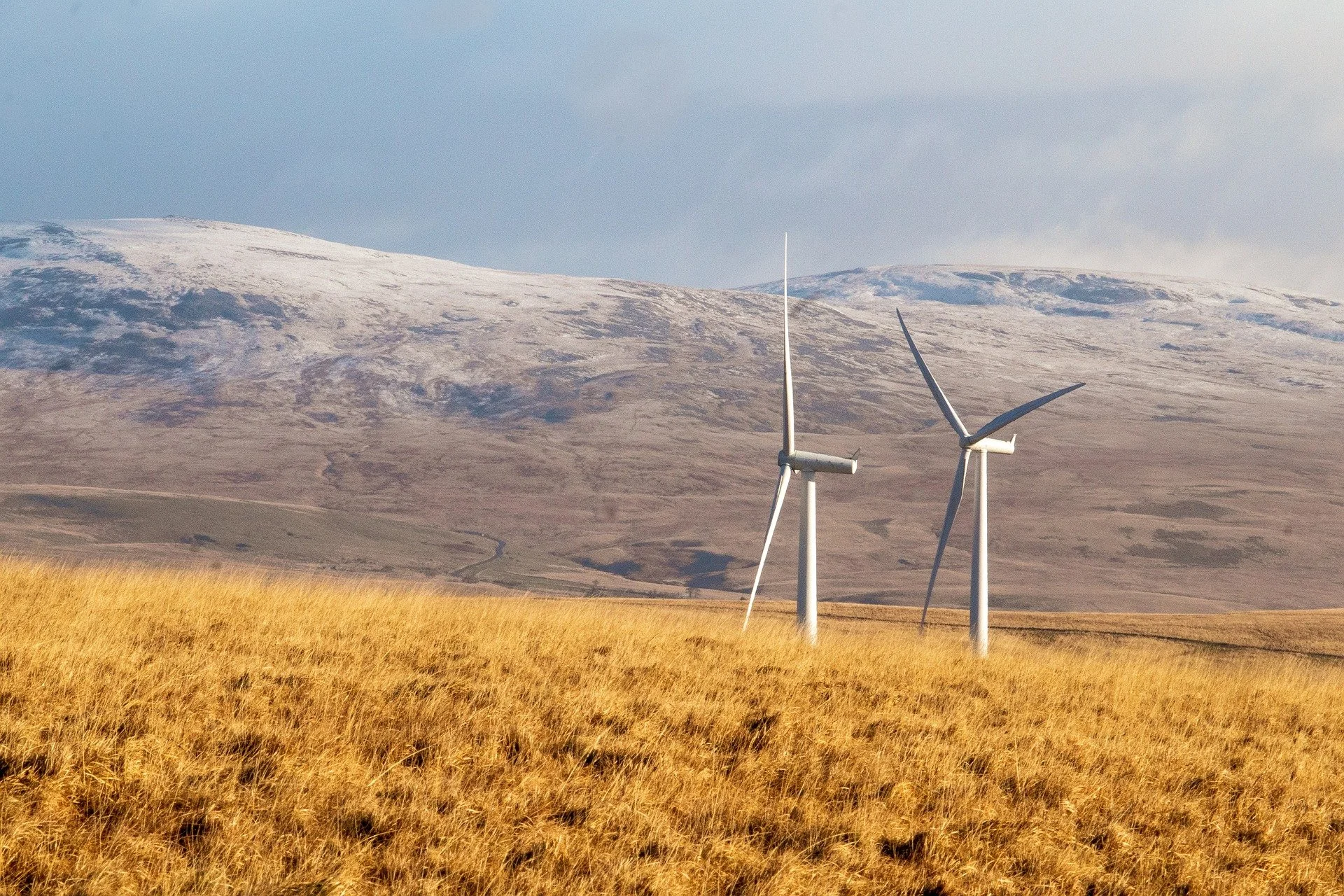
Record clean power growth to see decline in fossil fuel
Ōtepoti - The global power sector is about to enter a new era of falling fossil generation as coal, oil and gas are pushed out of the grid by a record expansion of wind and solar power, according to new analysis by climate think tank Ember.
Wind and solar power reached a record 12 percent of global electricity generation last year, according to Ember’s global electricity review 2023. This drove up the overall share of low-carbon electricity to almost 40 percent of total generation. Also of note:
Coal, oil and gas are being pushed out of power grids by a record expansion of wind and solar, according to climate think tank Ember
It forecasts that low-carbon sources will cover more than 100 percent of the growth in electricity demand by the end of 2023
Ember says the 'phasedown' of gas and coal power required for the energy transition is 'now within reach', but that more nuclear and hydropower are needed
With even faster growth set to continue this year, Ember says 2022 is likely to mark a “turning point” when global fossil fuel electricity generation peaked and began to fall.
The think tank forecasts that, by the end of 2023, more than 100 percent of the growth in electricity demand will be covered by low-carbon sources.
Experts broadly agree that global electricity generation needs to be completely decarbonised by 2040 if the world is to stay on track for its climate targets.
Ember says rapidly expanding renewables mean that the “phasedown” of gas as well as coal power required for this transition is “now within reach”. However, it also says stalling nuclear and hydropower construction needs to be reversed.
Global electricity demand has been rising for decades, due to rising populations, increasing industrialisation and higher incomes.
To date, electricity demand growth has generally outpaced the rapid expansion of low-carbon sources, meaning emissions from the power sector have continued to rise. Any shortfall in meeting growth with low-carbon sources has been met by fossil fuels.
Yet low-carbon sources must ultimately begin to not only meet rising electricity demand but also start squeezing fossil fuels out of the mix if global carbon targets are to be met.
In 2022, the expansion of wind and solar met 80 percent of the increase in electricity demand, Ember’s report shows. Combined with hydropower and bioenergy, renewables met 92 percent of the rise, coming close to covering rising demand.
This year, however, Ember estimates that record growth in low-carbon power generation will cause fossil fuel output to dip by 0.3 percent.
Global electricity demand has been rising for decades, due to rising populations, increasing industrialisation and higher incomes, theWorld Economic Forum says.


Lisa was born in Auckland at the start of the 1970s, living in a small campsite community on the North Shore called Browns Bay. She spent a significant part of her life with her grandparents, often hanging out at the beaches. Lisa has many happy memories from those days at Browns Bay beach, where fish were plentiful on the point and the ocean was rich in seaweed. She played in the water for hours, going home totally “sun-kissed.” “An adorable time to grow up,” Lisa tells me.
Lisa enjoyed many sports; she was a keen tennis player and netballer, playing in the top teams for her age right up until the family moved to Wellington. Lisa was fifteen years old, which unfortunately marked the end of her sporting career. Local teams were well established in Wellington, and her attention was drawn elsewhere.