




Economists urge action to prevent ‘AI poverty traps’

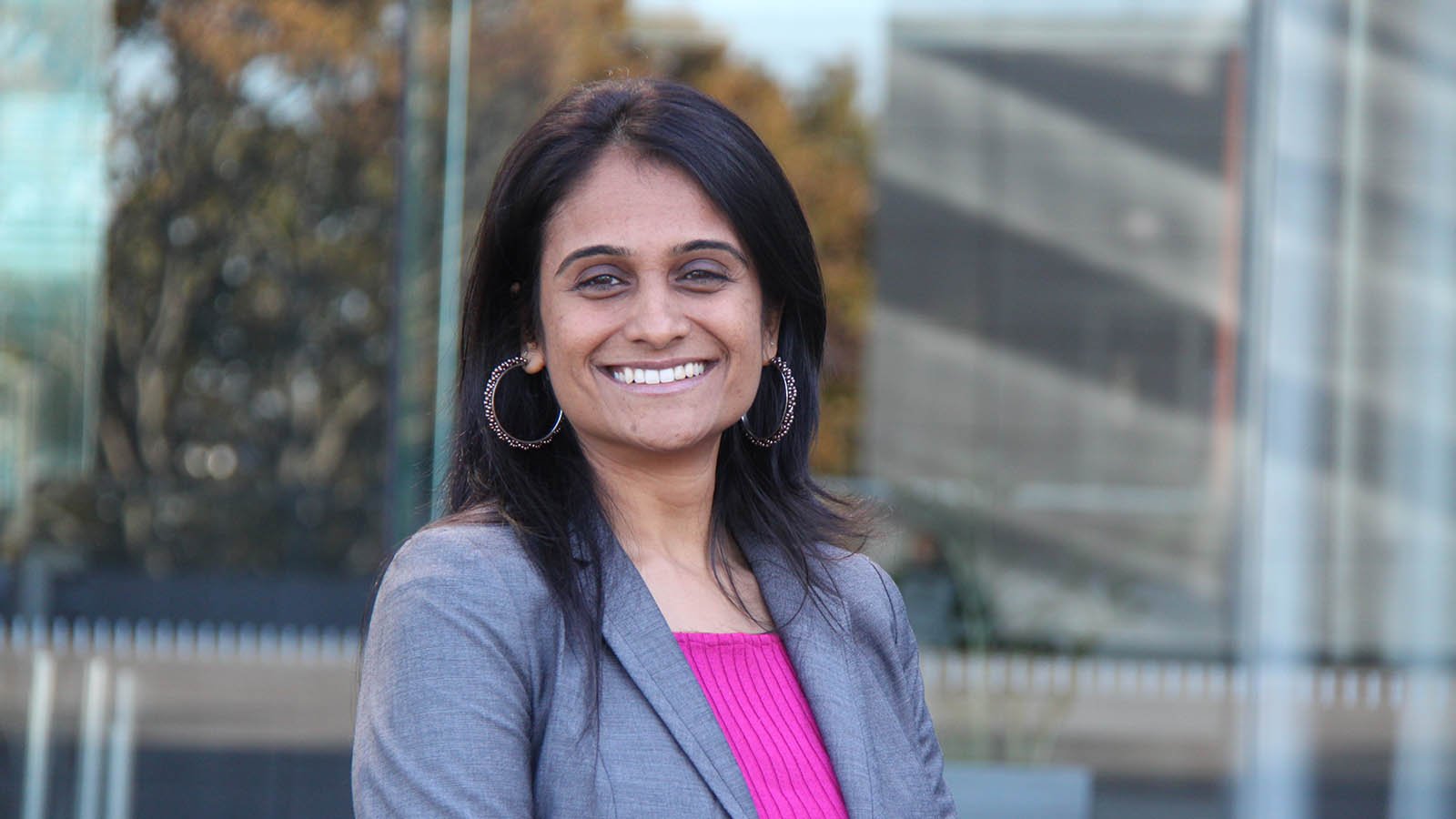
Dr Asha Sundaram
Artificial intelligence could deepen inequality and create ‘AI-poverty traps’ in developing nations, write economists Dr Asha Sundaram and Dr Dennis Wesselbaum in their paper ‘Economic development reloaded: the AI revolution in developing nations’.
Sundaram, an associate professor at the University of Auckland Business School, and Wesselbaum, an associate professor at the University of Otago, say developing countries lack the necessary infrastructure and skilled labour force to capitalise on AI's potential.
"The downside is that there isn't a lot of capacity in some countries in terms of digital infrastructure, internet, mobile phone penetration," says Sundaram.
"Much of the technology is controlled by firms like Google and OpenAI, raising the risk of over-reliance on foreign tech, potentially stifling local innovation." Without strategic interventions, Wesselbaum says AI may create an 'AI-poverty trap': locking developing nations into technological dependence and widening the gap between global economies.
“For developing countries, AI could be a game-changer; boosting productivity, expanding access to essential services, and fostering local innovation – if the right infrastructure and skills are in place.”
Financial support from developed countries and international bodies like the UN could help cover upfront costs through grants, loans and investment incentives, according to the research.
“We also need robust legal and regulatory frameworks to support responsible AI by addressing data privacy, ethics, and transparency concerns,” says Sundaram.
These Economists argue that in developing AI policies, the international community must learn from the successes and failures of foreign aid.
"Aid has often failed to spur lasting growth in developing countries,” says Sundaram, “partly because it can create dependency, reducing self-reliance and domestic initiatives." She highlights a need for policies to mitigate the downsides of AI, both in developed and developing countries.
Such policies could include an international tax regime that would allow countries to capture tax revenue from economic activities driven by AI inside their borders. Sundaram’s involved in one such project in Ethiopia, where artificial intelligence is being harnessed by the government and the country’s largest telecom provider to support small businesses excluded from formal banking due to a lack of collateral.
By analysing mobile money transactions and the amounts these businesses pay and receive, algorithms estimate how much credit can be safely offered, enabling small loans and helping integrate marginalised enterprises into the formal economy.
Artificial intelligence holds the power to transform development trajectories, but without targeted investments and inclusive policies, says Wesselbaum, it risks deepening the digital divide and entrenching global inequality.
Ends




Lisa was born in Auckland at the start of the 1970s, living in a small campsite community on the North Shore called Browns Bay. She spent a significant part of her life with her grandparents, often hanging out at the beaches. Lisa has many happy memories from those days at Browns Bay beach, where fish were plentiful on the point and the ocean was rich in seaweed. She played in the water for hours, going home totally “sun-kissed.” “An adorable time to grow up,” Lisa tells me.
Lisa enjoyed many sports; she was a keen tennis player and netballer, playing in the top teams for her age right up until the family moved to Wellington. Lisa was fifteen years old, which unfortunately marked the end of her sporting career. Local teams were well established in Wellington, and her attention was drawn elsewhere.