





Reducing food waste via AI
Te Whanganui-a-Tara - Food at supermarkets overseas is now being automatically discounted using AI.
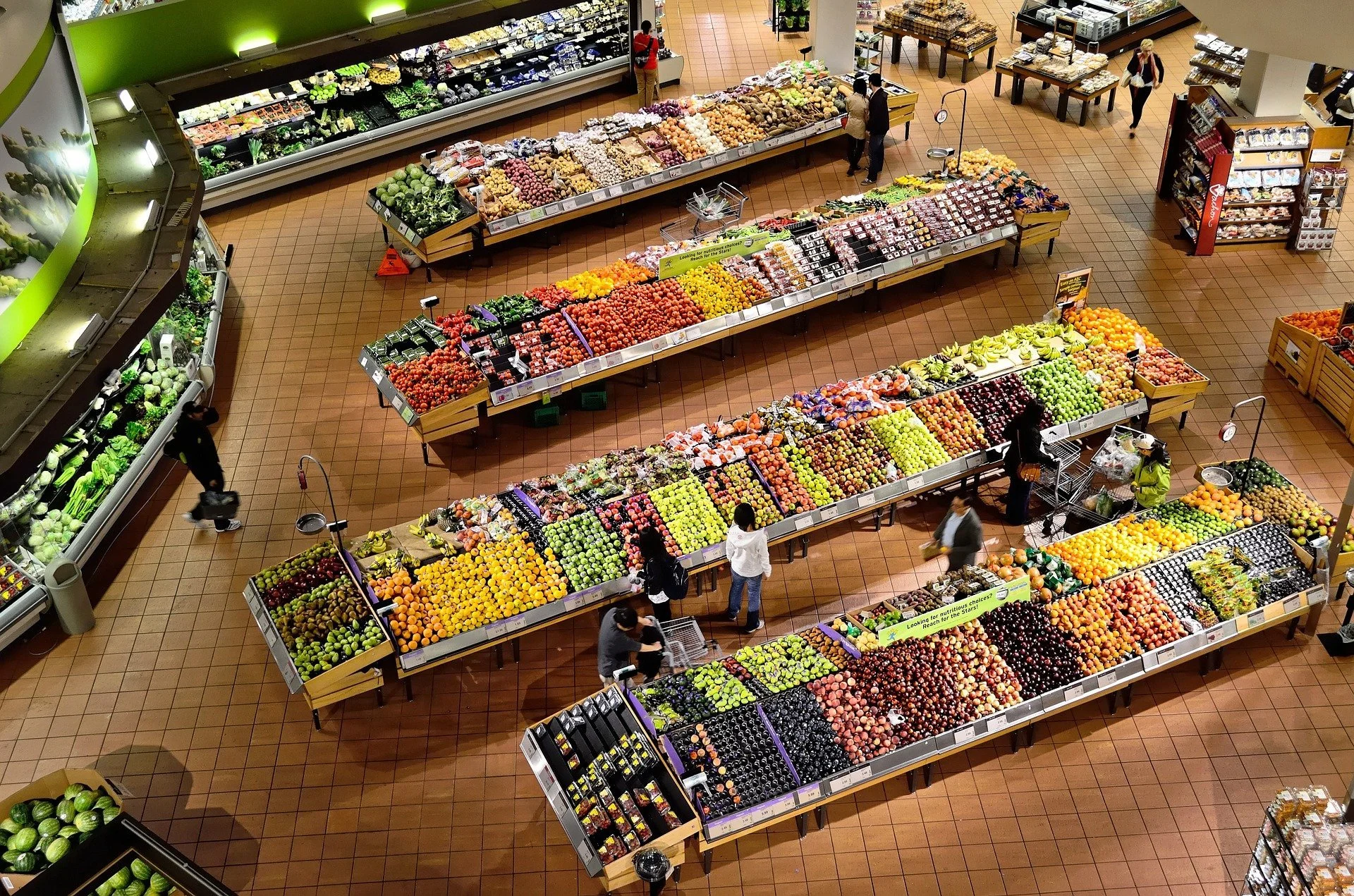
Fresh foods are one of the trickiest grocery departments to optimise, with their brief window between delicious and dumped.
A Kantar New Zealand food waste survey last year estimated the value of food waste per New Zealand household is worth about $1520 per year. The survey, a study conducted by Rabobank and KiwiHarvest, showed every year more than 100,000 tonnes of perfectly good food is wasted.
However, supermarkets in Holland can now sticker reductions on items close to their sell-by date, but that's both labour-intensive and imprecise.
Wasteless, an Israeli startup, argues dynamic pricing is the solution. It's now being tested by Hoogvliet, a supermarket chain with 71 stores across the Netherlands, according to trendwatching.com.
Using Wasteless technology, prices for perishable foods are automatically reduced. Instead of a one-off markdown once a product nears its best-by date, discounts are applied incrementally.
Electronic shelf labels list a product's price and its use-by date. A tub of yogurt with five days to go, for example, will be priced separately from the same item with a use-by date that's further off.
Which means customers can see exactly how much they'll save by grabbing the tub that needs to be finished sooner.
Expiration dates aren't the only determinant. Wasteless uses other shopping data, too. If weather forecasts for a summer weekend are warm and sunny, the system will hold off on discounting BBQ meats.
And if whipped cream is piling up, a steeper cut can spur consumers to buy. The pricing software is designed to learn from and adapt to customer buying habits. Hoogvliet is trialling the system at three of its stores and Wasteless estimates that the retailer could lower its waste-related costs by 30 percent and costs of markdowns by 50 percent.
Optimising markdowns through AI-driven solutions like Wasteless doesn't just improve a supermarket's bottom line and lower its environmental impact by cutting food waste.
Consumers are actively seeking out lower prices as inflation has driven many to arrange value when shopping. And not without a certain degree of satisfaction. In a 2022 survey of American adults, 53 percent said they're proud to be labelled a bargain-hunter.



Lisa was born in Auckland at the start of the 1970s, living in a small campsite community on the North Shore called Browns Bay. She spent a significant part of her life with her grandparents, often hanging out at the beaches. Lisa has many happy memories from those days at Browns Bay beach, where fish were plentiful on the point and the ocean was rich in seaweed. She played in the water for hours, going home totally “sun-kissed.” “An adorable time to grow up,” Lisa tells me.
Lisa enjoyed many sports; she was a keen tennis player and netballer, playing in the top teams for her age right up until the family moved to Wellington. Lisa was fifteen years old, which unfortunately marked the end of her sporting career. Local teams were well established in Wellington, and her attention was drawn elsewhere.