




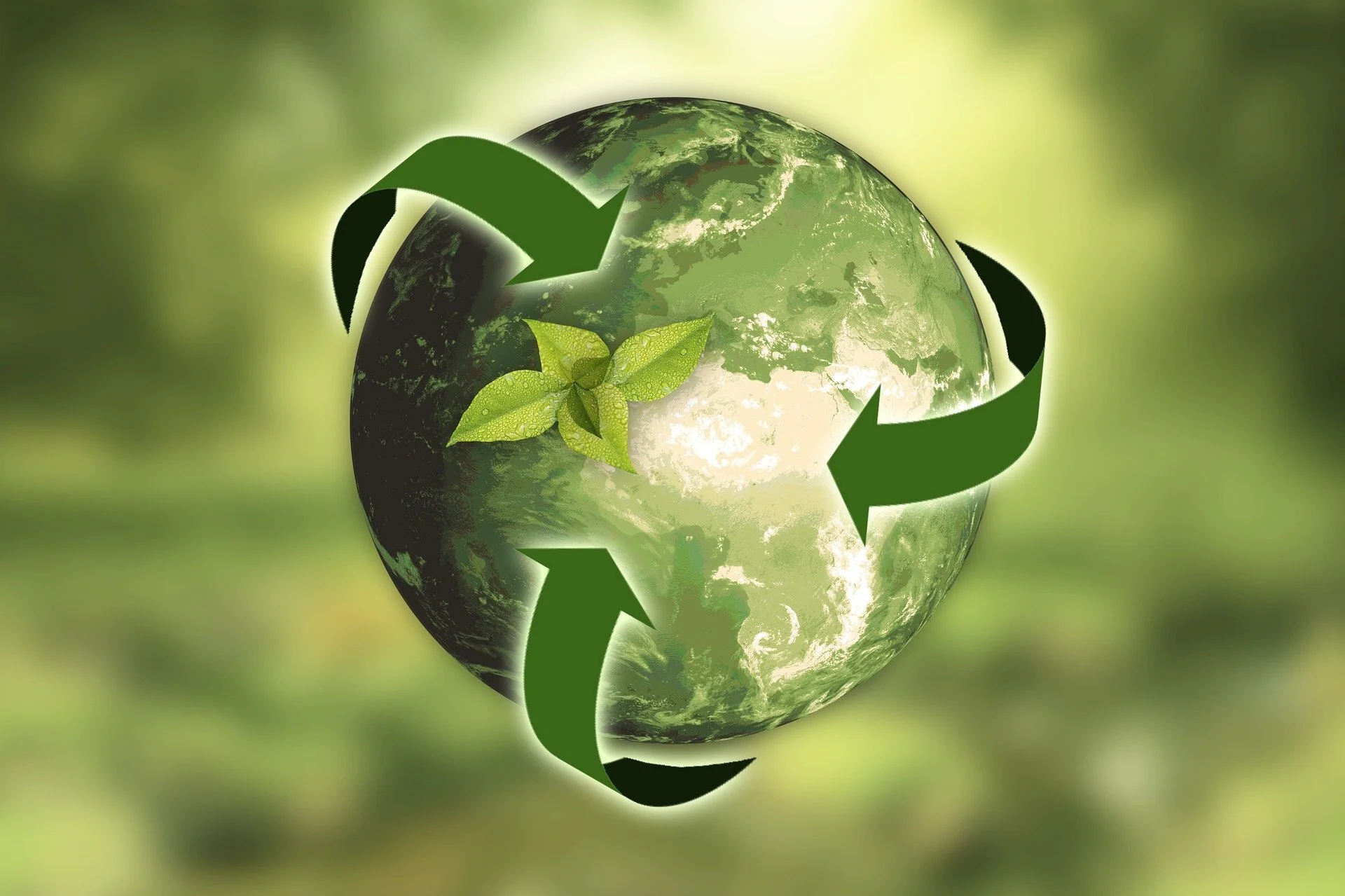
Most plastics not been recycled since 1950s
Tāmaki Makaurau - About 8 billion tonnes of plastic has been produced globally since the 1950s, but only 10 percent has actually been recycled.
Recycling is increasingly seen as an unsuitable solution to the growing volume of food waste produced by the world.
In addition to reducing our overall consumption levels, addressing the waste crisis will require more support for new forms of packaging such as those made from compostable materials.
The truth about recycling is much murkier, however. Just because a product features the symbol, it’s not certain that it will be recycled, especially in the case of plastic.
Commitments by governments and industry will reduce the annual volume of plastic flowing into the ocean by only about seven percent by 2040.
Countries export their plastic to be recycled without checking if that actually happens.
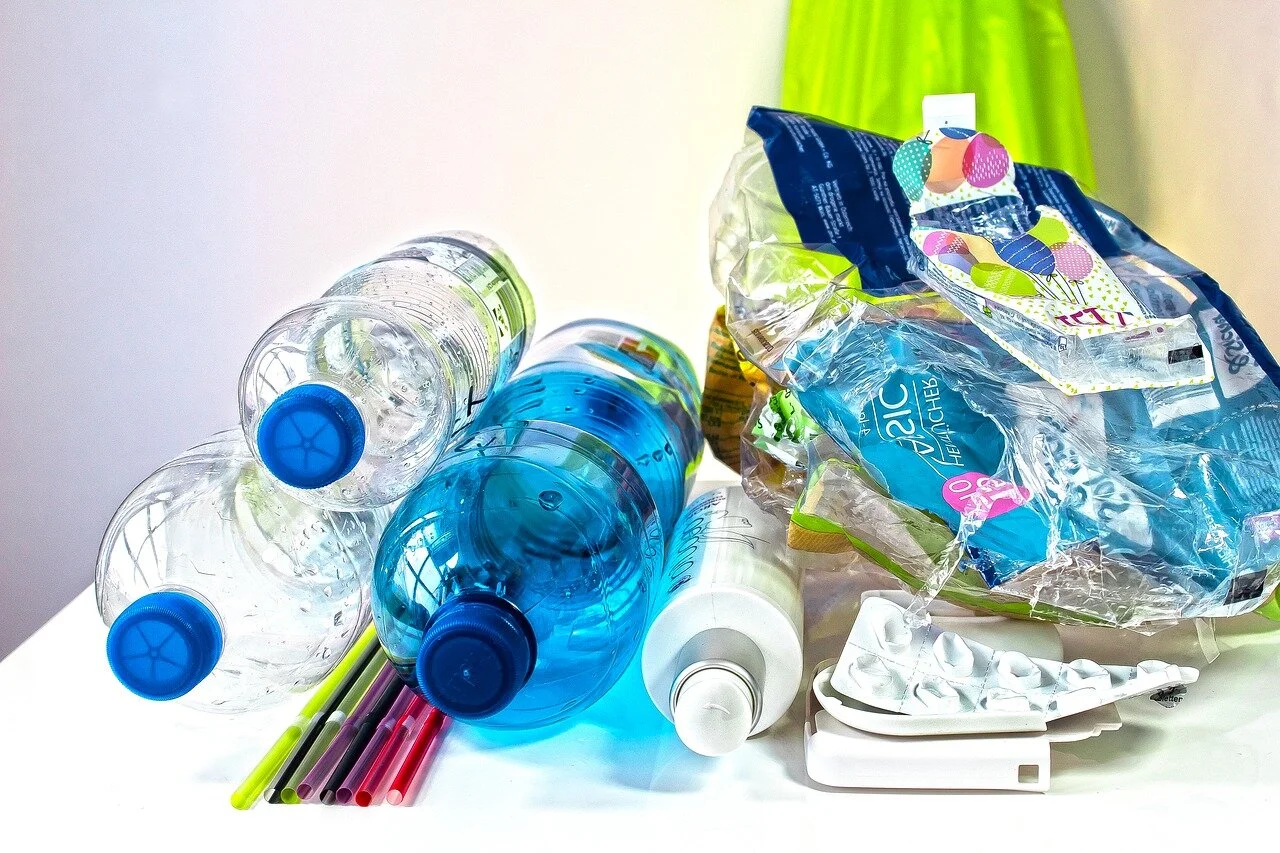
Some plastic packaging - crisp packets for example - are multi-laminates, with other materials including paper or aluminium combined with the plastic meaning it cannot be processed in the recycling system.
Other packaging such as flexibles are not economic to recycle. Plastic contaminated with food won’t be recycled either. Only clean plastic makes it through the system.
The rate of our consumption of plastic - past and present - means recycling alone isn’t going to get us out of the waste crisis.
It will take a global effort to scale upstream and downstream solutions to combat plastic pollution. Better recycling will play a role, as will reuse and improved waste collection. But shifting the spotlight towards reducing the production of plastic is critical to each of these efforts.
A major contributor to reducing plastic production is replacing it with alternative, more sustainable materials.
Paper packaging can work. It biodegrades significantly quicker than plastic and is easily recycled. But trees grow too slowly to make this a truly sustainable option.
Finding sustainable and functional alternatives is sticky territory. Materials sold as “biodegradable” are not required to adhere to any timeframe in which to break down, meaning some sit in landfill for years alongside conventional plastics.
For the compostable packaging industry to grow and continue to invest in research and development, it will require partners throughout the supply chain - brand owners, manufacturers, and governments - to be aligned on the solution.
A recent study found that microperforated compostable packaging extended the shelf-life of cucumbers by five days when compared to conventional plastic packaging.
If the food isn’t eaten before it goes bad, the packaging can be disposed of in food waste bins to be composted alongside it. R&D efforts mean compostable packaging’s applications are only growing, making them a viable solution to flexible plastic packaging, bags, pouches and more.


Lisa was born in Auckland at the start of the 1970s, living in a small campsite community on the North Shore called Browns Bay. She spent a significant part of her life with her grandparents, often hanging out at the beaches. Lisa has many happy memories from those days at Browns Bay beach, where fish were plentiful on the point and the ocean was rich in seaweed. She played in the water for hours, going home totally “sun-kissed.” “An adorable time to grow up,” Lisa tells me.
Lisa enjoyed many sports; she was a keen tennis player and netballer, playing in the top teams for her age right up until the family moved to Wellington. Lisa was fifteen years old, which unfortunately marked the end of her sporting career. Local teams were well established in Wellington, and her attention was drawn elsewhere.