




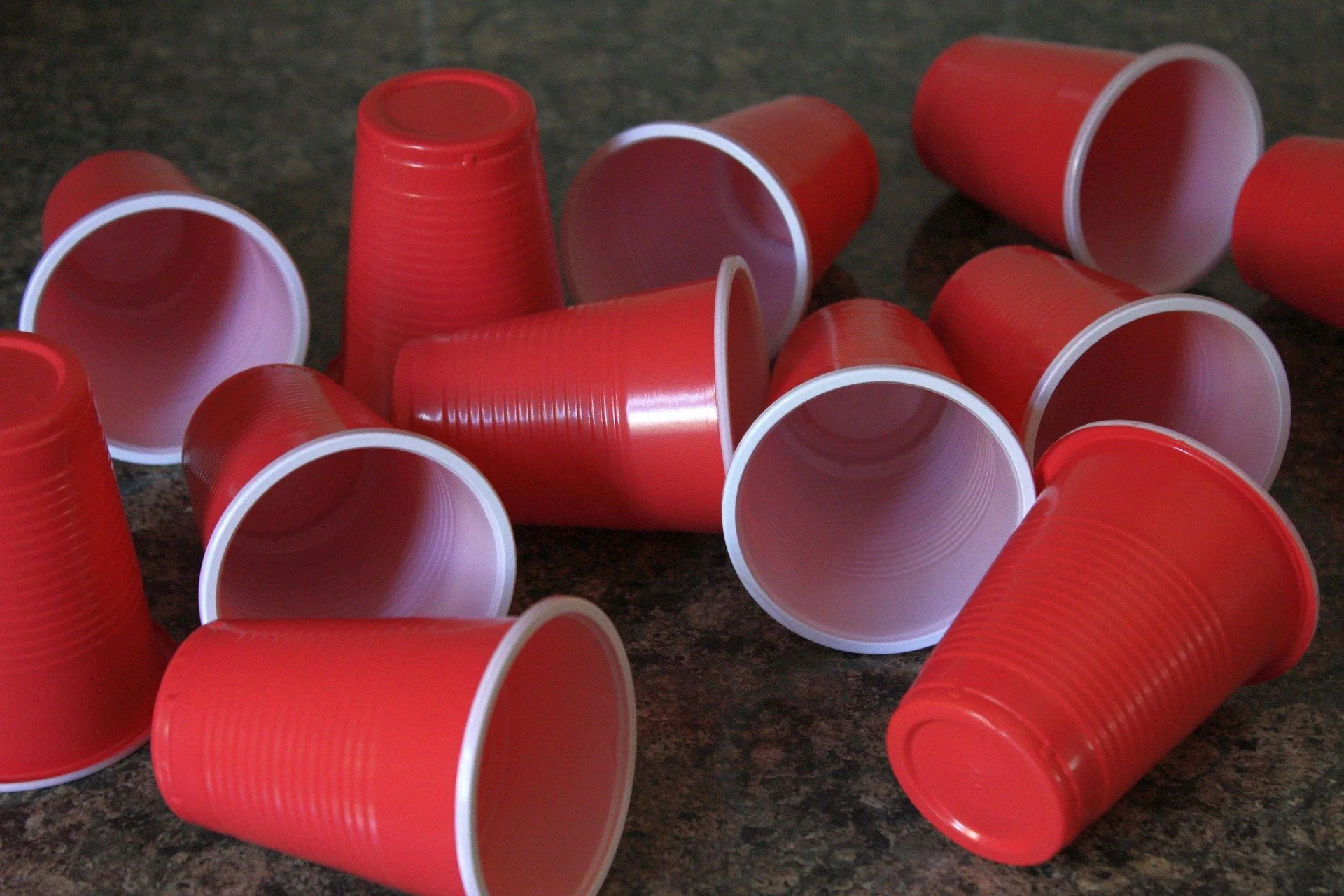
More single-use plastics banned
Kirikiriroa - Single-use plastic cotton buds, drink stirrers and most plastic meat trays are now among single use plastics banned from sale or manufacture in New Zealand.
This is the first group of the most problematic plastic products to be banned in a progressive phase out over the next three years, environment minister David Parker says.
Stopping the sale of these plastic products will reduce waste to landfill, improve recycling systems and encourage reusable or environmentally responsible alternatives.
Plastics that are banned from sale from 1 October 2022 are:
Single-use plastic drink stirrers
Single-use plastic cotton buds
Polyvinyl chloride (PVC) pre-formed food trays and containers*
Polystyrene takeaway packaging for food and beverages
Expanded polystyrene food and beverage retail packaging (such as foam takeaway containers or some instant noodle cups)
Plastics with additives that make them fragment into micro-plastics
On average, every New Zealander sends about 750kgs of waste to landfill every year. Some products can’t be recycled and are unnecessary.
These are the first group of plastic products to be banned since the ban on single-use plastic bags in 2019. That has meant more than one billion fewer plastic bags have ended up in landfills or the ocean.
In mid-2023, the next group of single-use plastics to be phased out will include single use plastic plates, bowls, cutlery, single-use plastic produce bags and non-compostable produce labels. Other PVC and polystyrene food and beverage packaging will be banned from mid-2025.
The phase out of plastic shopping bags showed how easily people can make changes at retail and household level to avoid plastic waste and do better for nature. Kiwis won’t miss the plastic items when they are gone either.
Businesses with excess stock of banned plastics can use them internally, for food storage or food preparation, but it would be a breach of the law to sell or give them to customers or any other person.
Businesses can contact industry bodies or local recyclers to determine whether their products can be recycled onshore. For some clean unused items there may be recycling solutions. A list of New Zealand recyclers can be found here: Recyclers | Plastics New Zealand.

Lisa was born in Auckland at the start of the 1970s, living in a small campsite community on the North Shore called Browns Bay. She spent a significant part of her life with her grandparents, often hanging out at the beaches. Lisa has many happy memories from those days at Browns Bay beach, where fish were plentiful on the point and the ocean was rich in seaweed. She played in the water for hours, going home totally “sun-kissed.” “An adorable time to grow up,” Lisa tells me.
Lisa enjoyed many sports; she was a keen tennis player and netballer, playing in the top teams for her age right up until the family moved to Wellington. Lisa was fifteen years old, which unfortunately marked the end of her sporting career. Local teams were well established in Wellington, and her attention was drawn elsewhere.