





Great news - tea, coffee good for you
Ōtepoti - Drinking coffee or tea may be associated with a lower risk of stroke and dementia, according to a recent study.
Drinking coffee was also associated with a lower risk of post-stroke dementia.
Strokes are life-threatening events which cause 10 percent of deaths globally. Dementia is a general term for symptoms related to decline in brain function and is a global health concern with a high economic and social burden. Post-stroke dementia is a condition where symptoms of dementia occur after a stroke.
Researchers from Tianjin Medical University, Tianjin, China studied 365,682 participants from the UK Biobank, who were recruited between 2006 and 2010 and followed them until 2020.
At the outset participants self-reported their coffee and tea intake. Over the study period, 5079 participants developed dementia and 10,053 experienced at least one stroke.
People who drank two to three cups of coffee or three to five 5 cups of tea per day, or a combination of 4-6 cups of coffee and tea had the lowest incidence of stroke or dementia.
Those who drank two to three cups of coffee and two to three cups of tea daily had a 32 percent lower risk of stroke and a 28 percent lower risk of dementia compared with those who drank neither coffee nor tea.
Intake of coffee alone or in combination with tea was also associated with lower risk of post-stroke dementia.
The UK Biobank reflects a relatively healthy sample relative to the general population which could restrict the ability to generalize these associations.
Also, relatively few people developed dementia or stroke which can make it difficult to extrapolate rates accurately to larger populations.
While it's possible that coffee and tea consumption might be protective against stroke, dementia and post-stroke dementia, this causality cannot be inferred from the associations.
The researchers say their findings suggested that moderate consumption of coffee and tea separately or in combination were associated with lower risk of stroke and dementia.
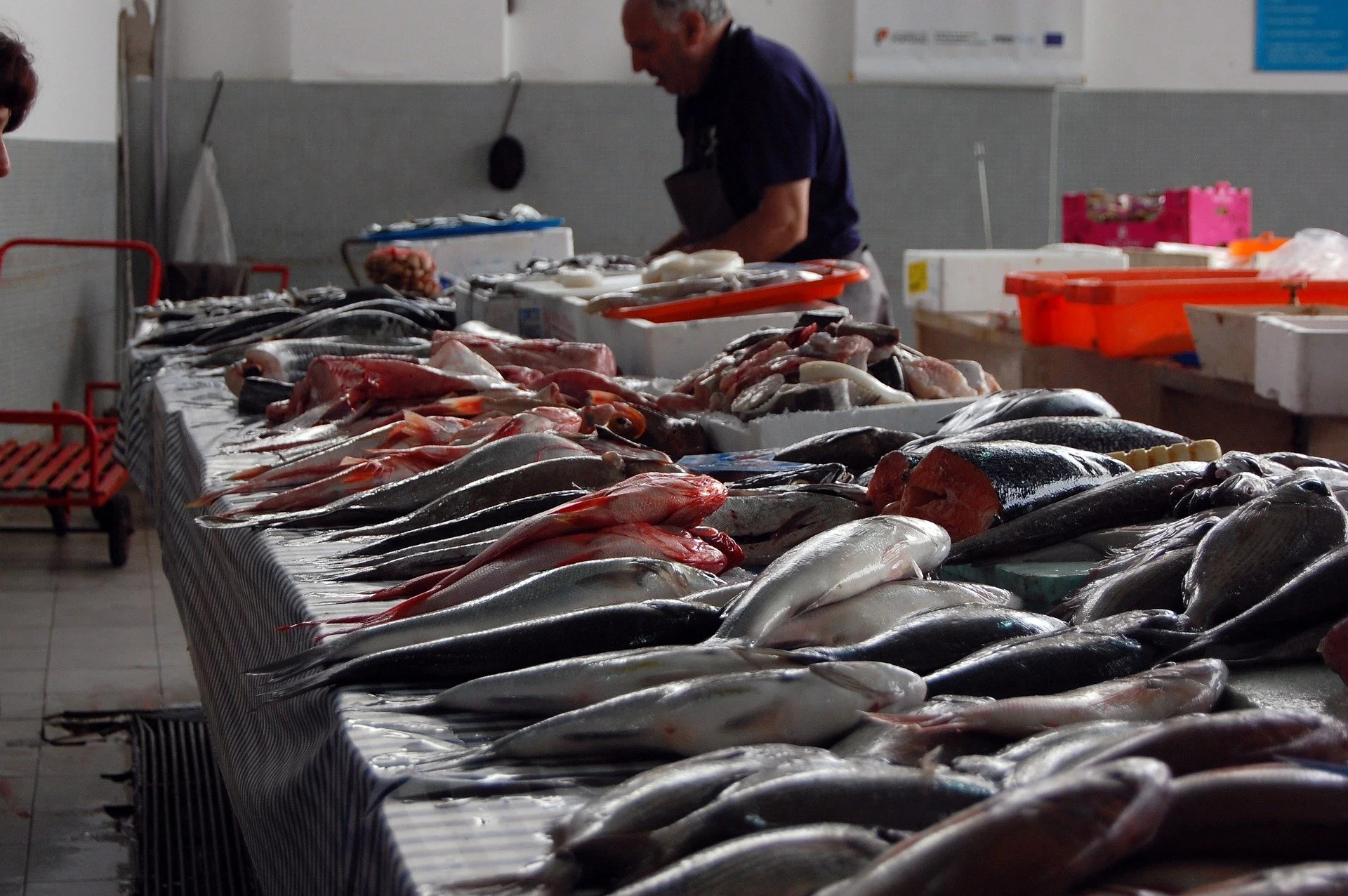


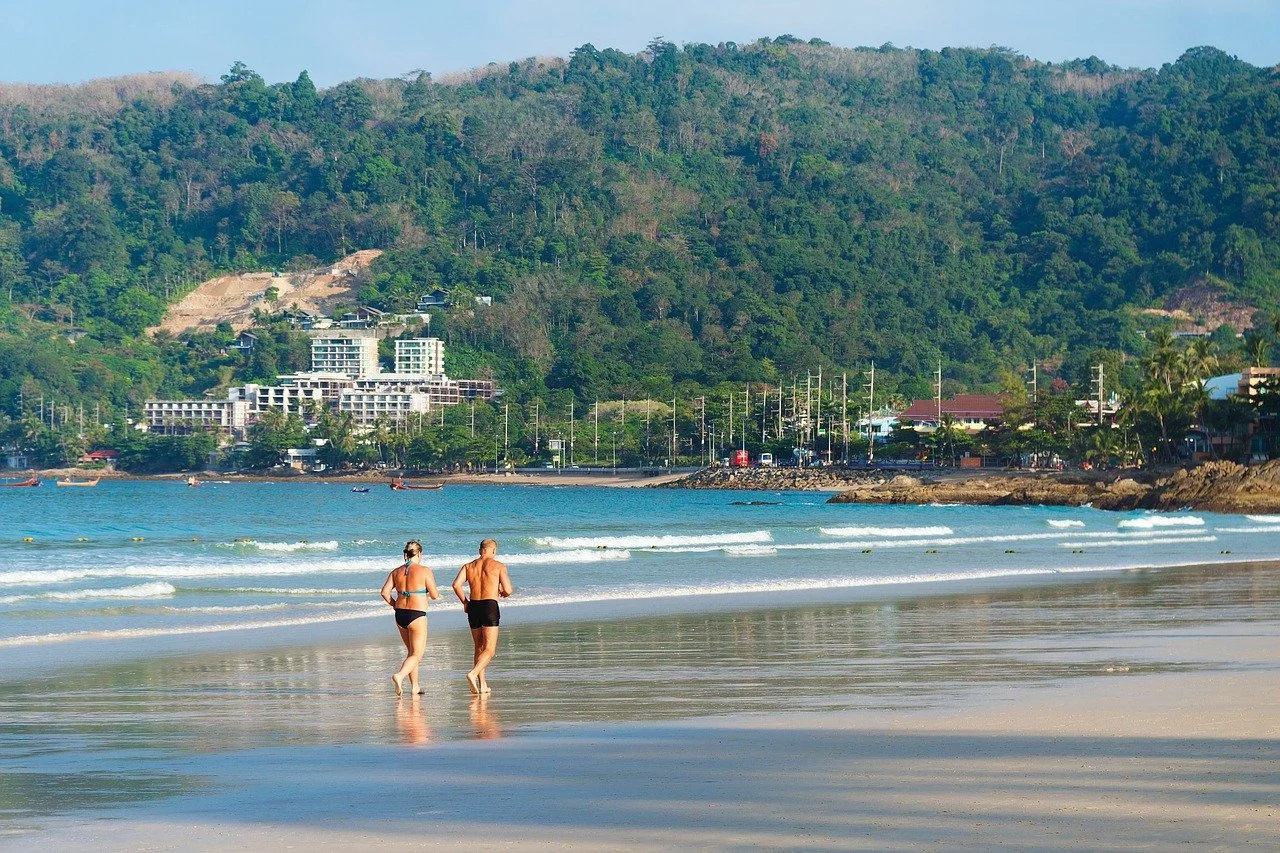
Lisa was born in Auckland at the start of the 1970s, living in a small campsite community on the North Shore called Browns Bay. She spent a significant part of her life with her grandparents, often hanging out at the beaches. Lisa has many happy memories from those days at Browns Bay beach, where fish were plentiful on the point and the ocean was rich in seaweed. She played in the water for hours, going home totally “sun-kissed.” “An adorable time to grow up,” Lisa tells me.
Lisa enjoyed many sports; she was a keen tennis player and netballer, playing in the top teams for her age right up until the family moved to Wellington. Lisa was fifteen years old, which unfortunately marked the end of her sporting career. Local teams were well established in Wellington, and her attention was drawn elsewhere.