




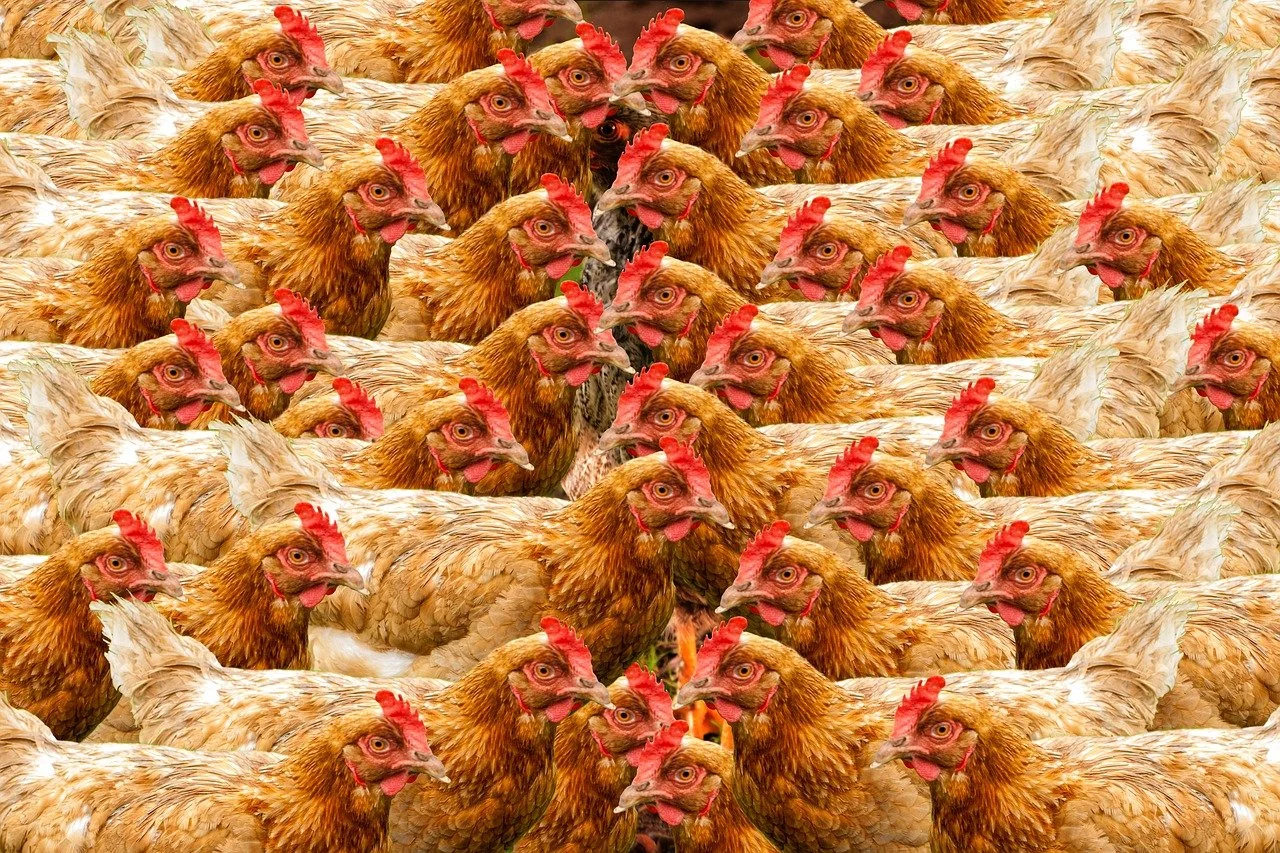
Millions of caged hens will continue to suffer next year
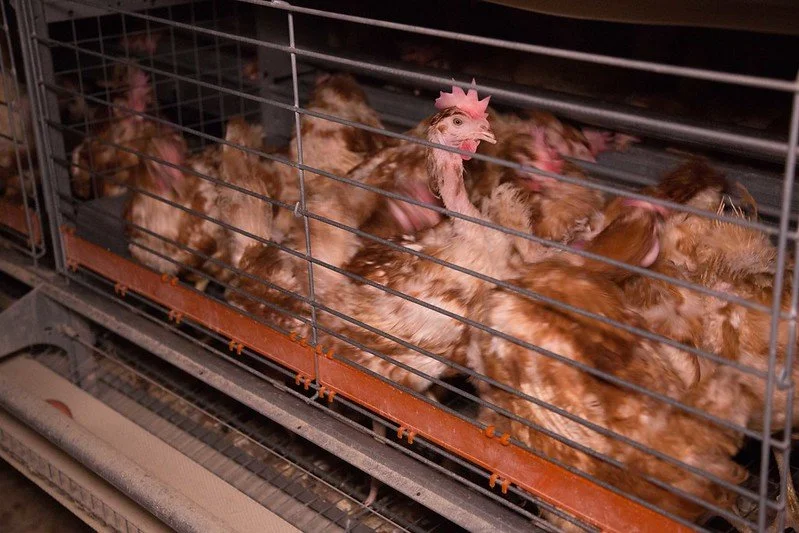
From January next year, battery cages will be illegal in Aotearoa.However, colony cages, which also breach the Animal Welfare Act 1999, will remain legal.
Colony cages severely restrict the ability for hens to display normal patterns of behaviour, which is a requirement under the act.
The national animal welfare advisory committee reviewed the code of welfare for hens 10 years ago and recommended a phase-out period and ban on battery cages due to welfare concerns and direct breaches of the act.
In less than a year, the ban will come into effect for hens in battery cages, leaving 1.2 million hens to continue suffering in cramped colony caged conditions.
SAFE, Aotearoa's leading animal rights organisation, says the code of welfare is now overdue for another review.
A Colmar Brunton poll found more than three quarters of New Zealanders support a ban on the caging of hens. All major supermarkets in Aotearoa will phase out the sale of cage eggs from as early as 2024.
Colony cages have been banned or are being phased out in parts of Europe, including Switzerland, Luxembourg, Germany, Denmark, Slovakia, Austria, the Czech Republic and Belgium. In the United States, nine states have already banned the sale and production of cage eggs.
The EU Commission last year announced it will ban the caging of farmed animals throughout the EU by 2027, freeing over 300 million animals from cages.
As of December 2020, 4,149,000 hens were being farmed for their eggs in Aotearoa. Of these, 29 percent were in colony cages, 27 percent were in battery cages; and 44 percent were in barn systems or on free-range farms.
The number of New Zealand hens living in battery and colony cages totalled 2,351,550 birds.
Almost all of Aotearoa’s leading egg purchasers have published cage-free egg commitments.
This includes all leading supermarkets, restaurant chains, hotel companies, retail outlets, leading foodservice groups and catering companies including parliament’s catering provider.
Lisa was born in Auckland at the start of the 1970s, living in a small campsite community on the North Shore called Browns Bay. She spent a significant part of her life with her grandparents, often hanging out at the beaches. Lisa has many happy memories from those days at Browns Bay beach, where fish were plentiful on the point and the ocean was rich in seaweed. She played in the water for hours, going home totally “sun-kissed.” “An adorable time to grow up,” Lisa tells me.
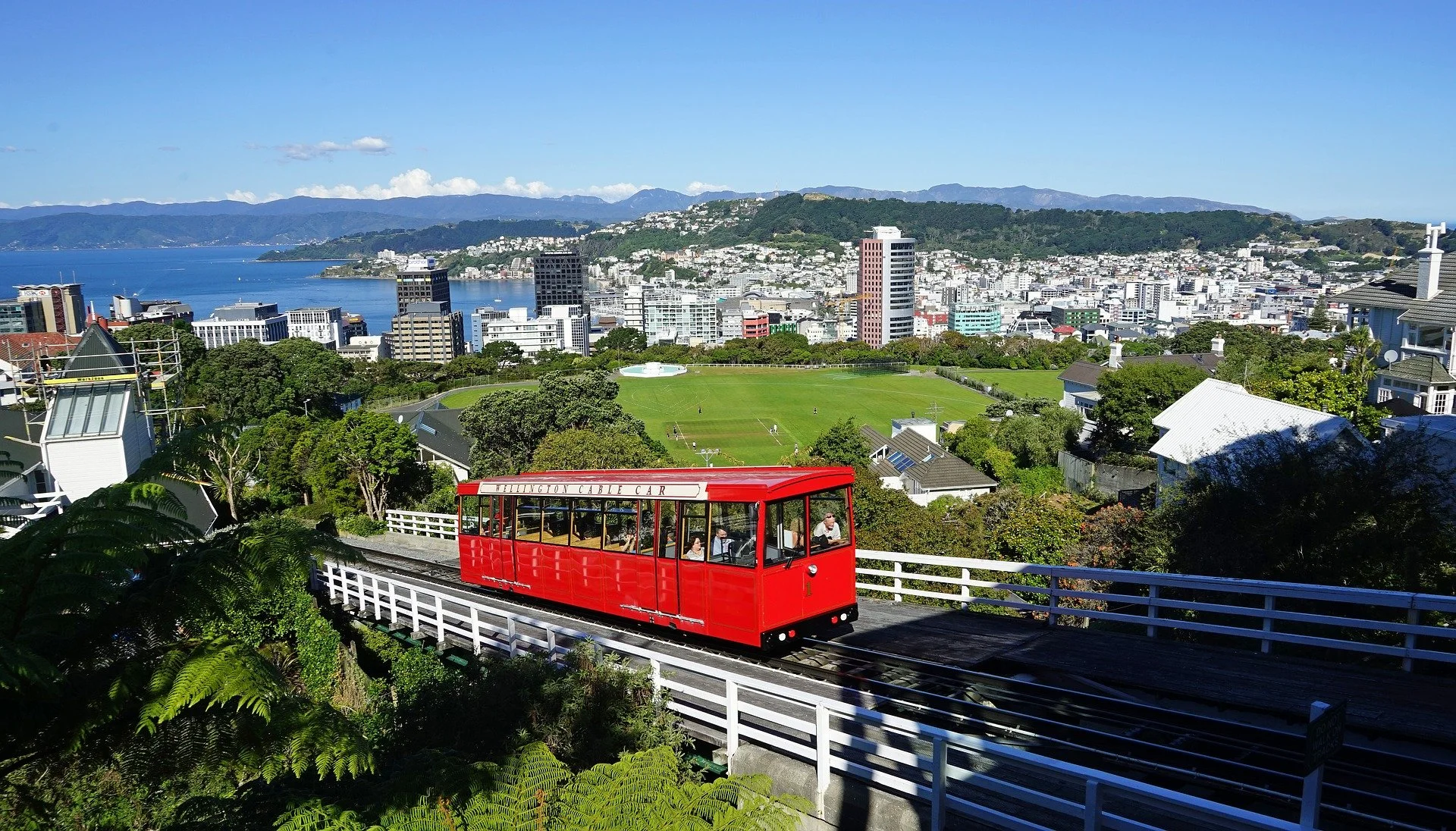
Lisa enjoyed many sports; she was a keen tennis player and netballer, playing in the top teams for her age right up until the family moved to Wellington. Lisa was fifteen years old, which unfortunately marked the end of her sporting career. Local teams were well established in Wellington, and her attention was drawn elsewhere.