





Pinterest first social media platform to ban climate misinformation
San Francisco - Climate misinformation is rife on some social media platforms, but Pinterest is working to address that.
It is the only social media platform to regulate climate misinformation in this way. Pinterest plans to block all climate misinformation from its social network.
Image-focused Pinterest is mostly used for sharing and finding home renovation inspiration, clothing, hobbies and fashion ideas.
But it’s not immune from those who use the platform to make misleading, or blatantly false, claims about the climate emergency.
But, unlike other platforms, such as Facebook, Pinterest is taking responsibility for the spread of misinformation.
It has promised to remove all climate crisis denial-focused content from its pages. This includes anything that denies that climate breakdown has been influenced by human beings, as well as the misrepresentation of scientific data, and false information about solutions to the climate crisis.
Pinterest wants to cultivate a space that’s trusted and truthful. It is the only social media platform to regulate climate misinformation in this way.
Last September, Meta, then known as Facebook, said it planned to counteract misinformation about the climate crisis on its platforms Facebook and Instagram.
This included things like investing in misinformation prevention-focused organizations and producing video content spotlighting young climate activists.
But many still criticised Meta for simply not doing enough. Late last year, separate studies by the Centre for Countering Digital Hate and by the Institute for Strategic Dialogue found that misleading information was still rife on Facebook.
They discovered fewer than 10 percent of misinformation-centred posts were flagged as such. The posts referred to the climate crisis using words like scam and hysteria. Climate denial posts are dangerous. The climate crisis is a very real and present threat.
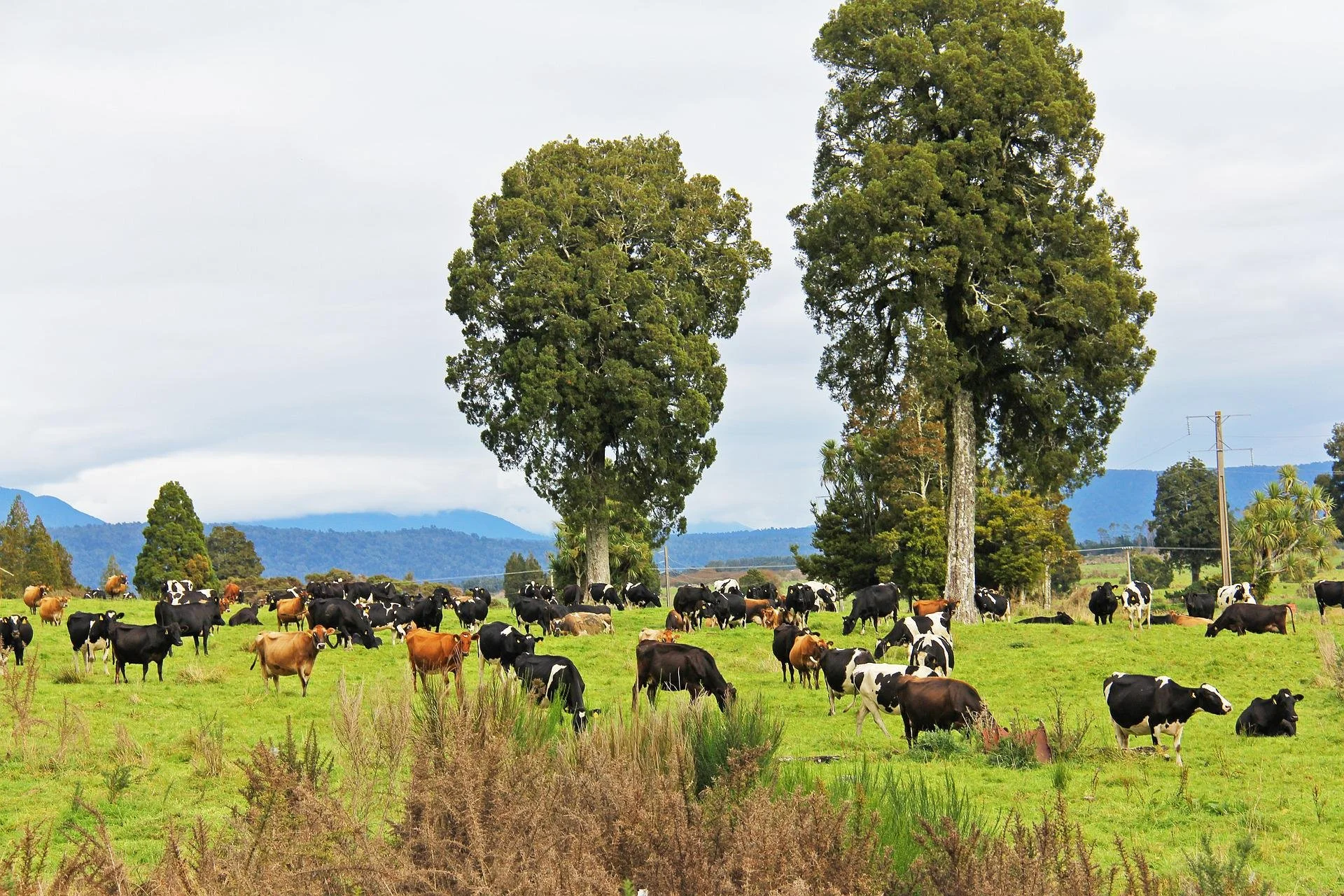
Human-caused greenhouse gas emissions driven by animal agriculture, fashion, and the transportation industries, to name a few of the biggest culprits, are rising to dangerous levels.
According to the United Nations’ Intergovernmental Panel on Climate Change, the world can still halve emissions by 2030, but only if industries and sectors take climate action now.
The spread of false information on social media undermines the severity of the situation.



Lisa was born in Auckland at the start of the 1970s, living in a small campsite community on the North Shore called Browns Bay. She spent a significant part of her life with her grandparents, often hanging out at the beaches. Lisa has many happy memories from those days at Browns Bay beach, where fish were plentiful on the point and the ocean was rich in seaweed. She played in the water for hours, going home totally “sun-kissed.” “An adorable time to grow up,” Lisa tells me.
Lisa enjoyed many sports; she was a keen tennis player and netballer, playing in the top teams for her age right up until the family moved to Wellington. Lisa was fifteen years old, which unfortunately marked the end of her sporting career. Local teams were well established in Wellington, and her attention was drawn elsewhere.