




Māori economy preparing for climate action
Te Whanganui a Tara - Māori businesses are playing a key role in Aotearoa’s, economic recovery and climate change planning according to Stats NZ.
A total of $872 million worth of goods were exported by Māori authorities in 2021. This is an increase of 21 percent from the previous year and is a phenomenal result.
Milk powder, butter, and cheese contributed around a quarter of those exports. The total income of Māori authorities in the 2021 financial year was $3.95 billion a 19 percent rise on the previous year.
This show’s Māori businesses are lifting their operations at pace and creating more opportunities for growth.
This helps secure the economy for New Zealand families and to take full advantage of open borders and accelerate the recovery post-pandemic.
The Stats NZ report shows Mātauranga Māori is being aligned in Māori businesses and is critical to their climate action with 85 percent of Māori authorities and 51 percent of other Māori enterprises.
They plan to take some action in response to climate change in the next five years, compared to 45 percent of all New Zealand businesses.
A total of 54 percent of Māori authorities said they were very aware of policies to reduce greenhouse gas emissions, compared to 27 percent of all New Zealand businesses.
Government has invested $30.5 million to establish a platform for Māori climate action. Also of note:
• In 2021 there were 1,227 Māori authorities’ employing around 11,100 people.
• Māori authorities are defined as economically significant businesses involved in the collective management of assets held by iwi and Māori.
• Other Māori enterprises are businesses that are economically significant and are not Māori authorities
• Māori authorities accounted for a total of 10,550 filled jobs in the March 2021 quarter, a drop of 0.7 percent from the December 2020 quarter and 3.5 percent from the March 2020 quarter.
• Other Māori enterprises accounted for 8910 filled jobs in the March 2021 quarter, up 1.1 percent from Dec 2020 but down 2.7 percent from the March 2020 quarter.
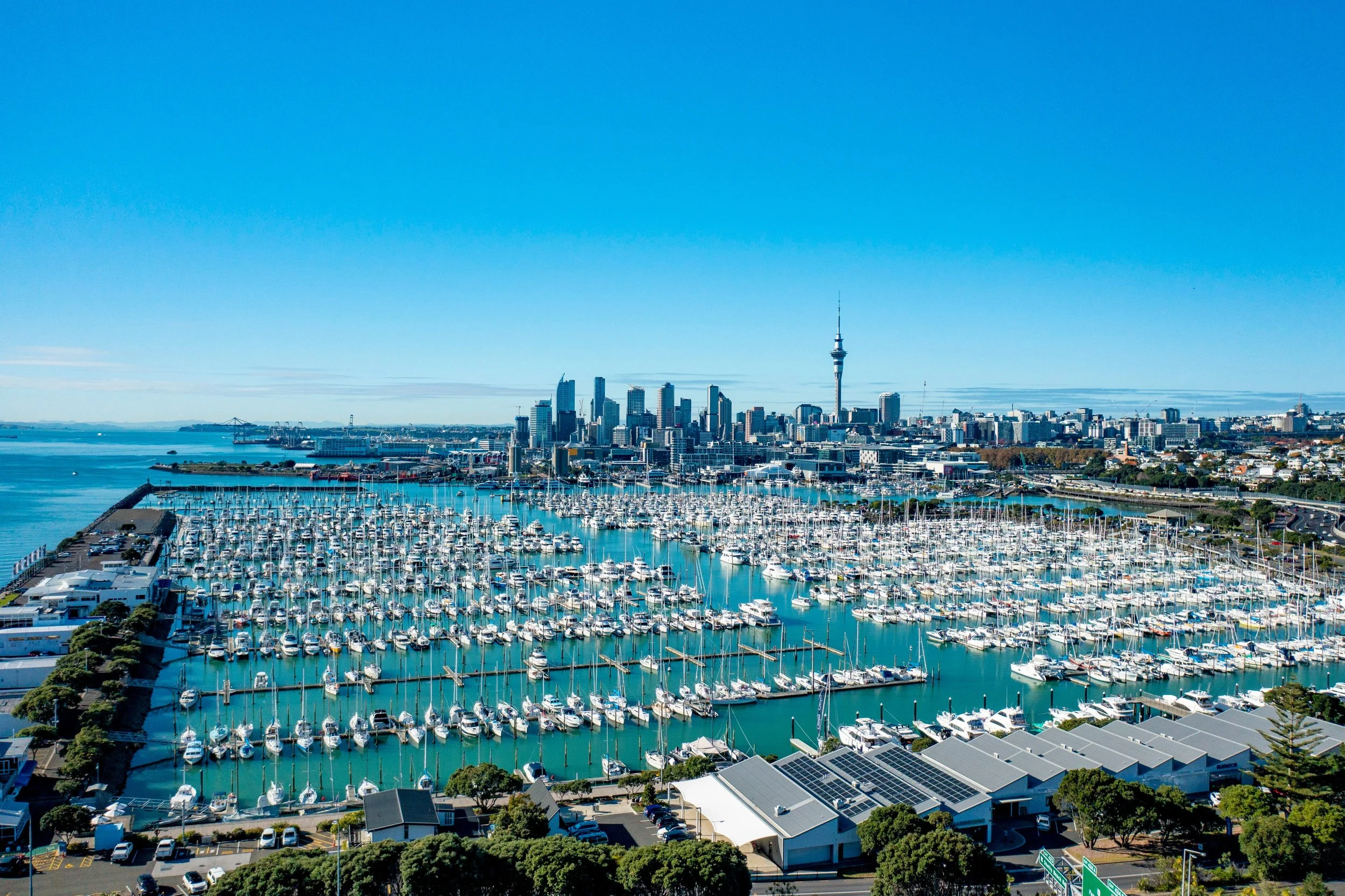




Lisa was born in Auckland at the start of the 1970s, living in a small campsite community on the North Shore called Browns Bay. She spent a significant part of her life with her grandparents, often hanging out at the beaches. Lisa has many happy memories from those days at Browns Bay beach, where fish were plentiful on the point and the ocean was rich in seaweed. She played in the water for hours, going home totally “sun-kissed.” “An adorable time to grow up,” Lisa tells me.
Lisa enjoyed many sports; she was a keen tennis player and netballer, playing in the top teams for her age right up until the family moved to Wellington. Lisa was fifteen years old, which unfortunately marked the end of her sporting career. Local teams were well established in Wellington, and her attention was drawn elsewhere.