





Most people comfortable using digital health passports to help restart travel
Otautahi - New research has found Nine out of ten travellers would be comfortable using digital health passports to help restart travel, according to new research.
The Rebuild Travel survey, showed 41 percent of travellers are keen to book international travel within six weeks of restrictions lifting.
The findings provide an incentive to accelerate plans for digital health passports that will help to address traveller concerns.
However, the survey of 9055 travellers from France, Spain, Germany, India, UAE, Russia, Singapore, the UK and the US, also contained a note of caution for the industry with more than 93 percent of travellers having concerns around how their health data for travel would be stored.
Digital health passport solutions such as the IATA Travel Pass are gathering momentum, and travellers have given their seal of approval to advance them in the new research.
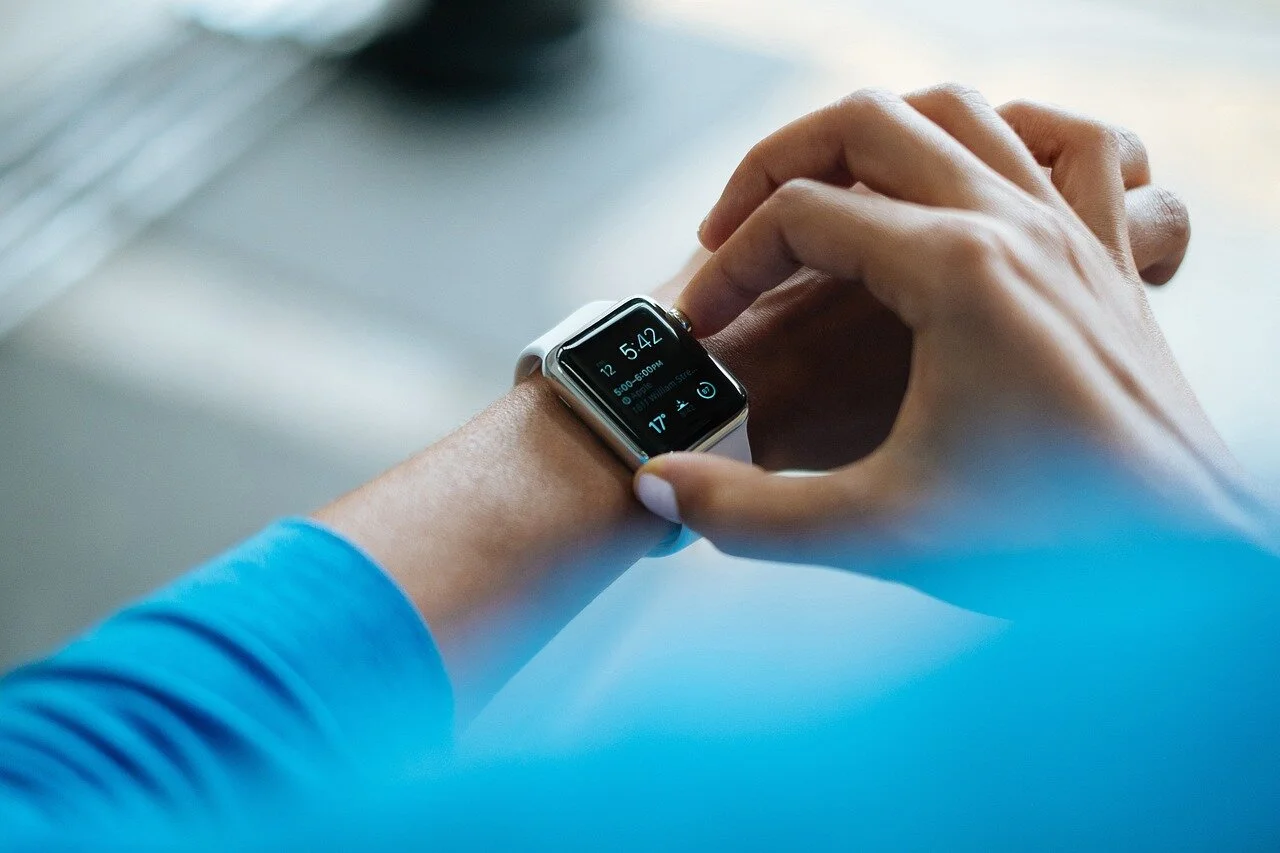
The IATA travel pass is a mobile app that can be used by passengers to obtain and store their covid test results from accredited laboratories.
When asked about their receptiveness to storing and sharing digital health data, survey results found just under three quarters of travellers surveyed would be willing to store their travel health data electronically if it enabled them to pass through the airport faster with fewer face-to-face interactions.
Covid will continue to shape the way people travel for some time to come. More than seven in ten surveyed they would be willing to store their travel health data electronically if it enabled them to travel to more destinations.
The main concerns travellers had were security risks and personal information being hacked; privacy concerns around what health information needed to be shared; and lack of transparency and control over where the data was shared. Technology will help increase traveller confidence.
Another digital health passport solution, this time from UK business APPII, has focused on high levels of information security for its travel health credentials app, which could reassure survey respondents concerned about how their health data for travel would be stored.



Lisa was born in Auckland at the start of the 1970s, living in a small campsite community on the North Shore called Browns Bay. She spent a significant part of her life with her grandparents, often hanging out at the beaches. Lisa has many happy memories from those days at Browns Bay beach, where fish were plentiful on the point and the ocean was rich in seaweed. She played in the water for hours, going home totally “sun-kissed.” “An adorable time to grow up,” Lisa tells me.
Lisa enjoyed many sports; she was a keen tennis player and netballer, playing in the top teams for her age right up until the family moved to Wellington. Lisa was fifteen years old, which unfortunately marked the end of her sporting career. Local teams were well established in Wellington, and her attention was drawn elsewhere.