




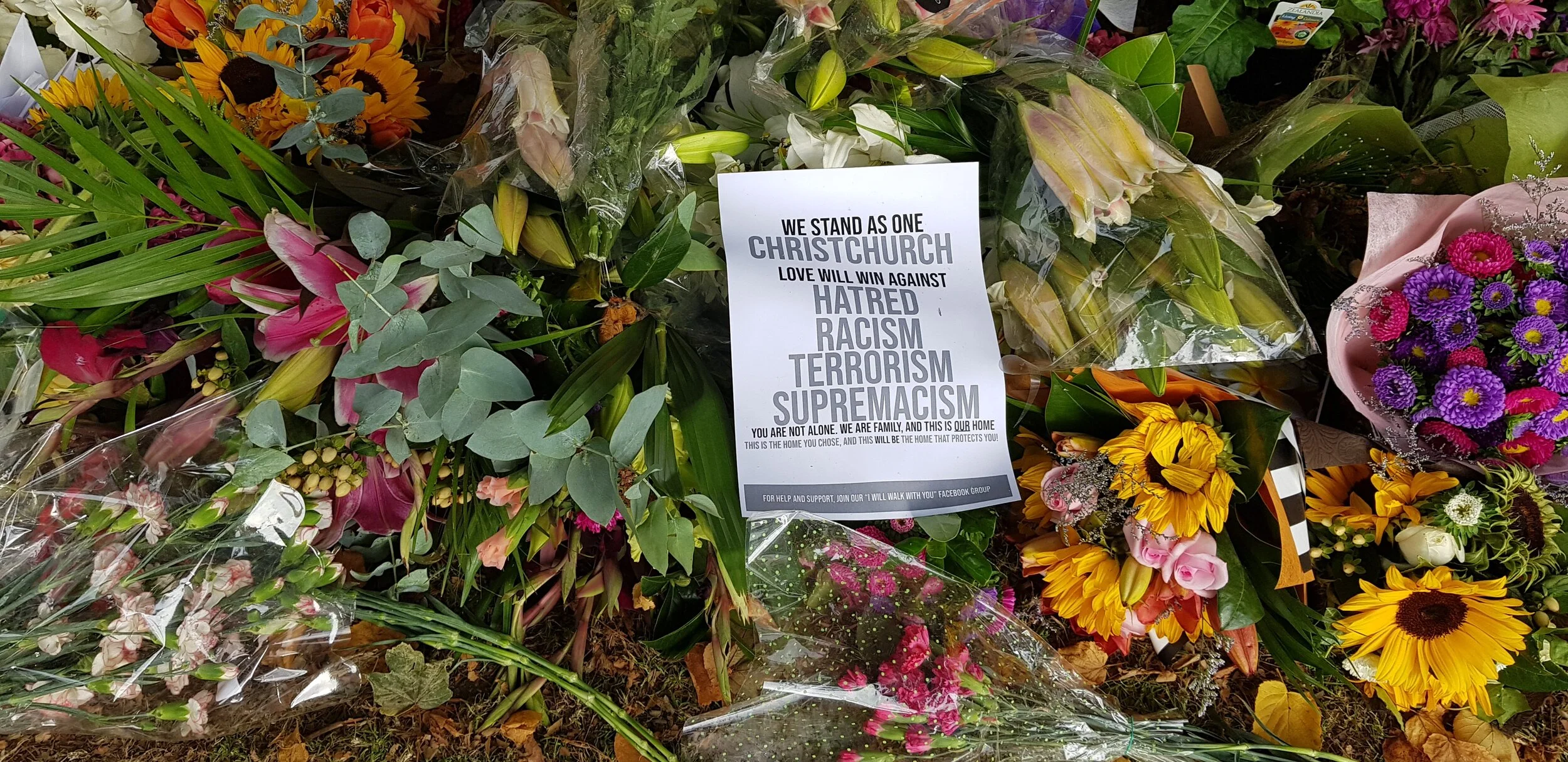
The global plan to eradicate terrorism posts from the internet
Otautahi - Is it possible to eradicate terrorism and violent extremism from the internet?
And can videos and livestreams of attacks be prevented from going viral and maybe even prevent them from being shared or uploaded in the first place?
Governments and tech companies involved in the Christchurch Call are working with other public-private partnerships to develop the technical capacity and coordinated approach required to make it happen.
It is more than two years since the Christchurch mosque attacks. Fifty-one people were killed and dozens injured in the worst mass shooting in New Zealand’s history, after a man opened fire at the Al Noor Mosque and the Linwood Islamic Centre.
Heads of state and officials from the tech industry recently had a virtual summit to mark the second anniversary of the Christchurch Call.
Prime minister Jacinda Ardern launched the initiative, along with French President Emmanuel Macron following the attack.
The Christchurch Call now includes 55 governments and 10 of the world’s leading internet providers, including Facebook, Google, Amazon, and Microsoft, which have voluntarily committed to the action plan.
The United States, which did not join the pledge during the Trump administration, reversed course and joined the Call when Joe Biden became president.
The action plan includes pledges from the participating governments and tech companies to eradicate terrorist- and violent extremist content online.
The summit aimed to take stock of what governments and companies had achieved over two years and agree on a common set of priorities going forward.
These include expanding the geographic reach and diversity of participants, especially increasing the membership of tech companies to include a broader diversity of platforms from a size and geographic perspective.
They also will seek to improve crisis response and the rapid coordination needed to respond to the online dimension of attacks, while gaining a better understanding of the role that algorithms play in amplification and the process of radicalisation.
And they pledge to improve the transparency of government and industry efforts to counter online posts.
The tech companies and governments have developed crisis-response protocols that provide a roadmap for tech companies to coordinate with governments in the wake of a terrorist attack.
Developed through the Global Internet Forum to Counter Terrorism, an industry body that recently spun off to become an independent non-profit organisation, they are seen as a top priority for implementing the Call’s voluntary pledges.




Lisa was born in Auckland at the start of the 1970s, living in a small campsite community on the North Shore called Browns Bay. She spent a significant part of her life with her grandparents, often hanging out at the beaches. Lisa has many happy memories from those days at Browns Bay beach, where fish were plentiful on the point and the ocean was rich in seaweed. She played in the water for hours, going home totally “sun-kissed.” “An adorable time to grow up,” Lisa tells me.
Lisa enjoyed many sports; she was a keen tennis player and netballer, playing in the top teams for her age right up until the family moved to Wellington. Lisa was fifteen years old, which unfortunately marked the end of her sporting career. Local teams were well established in Wellington, and her attention was drawn elsewhere.