




Cheaper transport for fewer GHG emissions
Berlin - The low-cost ticket aimed to mitigate the burden of the increasing cost of living.
Tens of millions of people have bought the 9-euro tickets and the reduction in car use has cut carbon dioxide emissions significantly.
For three months, Germany has been offering ultracheap monthly tickets for all local trains, metros, trams and buses. The scheme was introduced in an effort to encourage the use of public transportation and ease the burden of inflation and high energy costs.
The plan appears to have been a success. Over 52 million people have bought the €9 tickets and the reduction in car use has cut carbon dioxide emissions by 1.8 million tonnes, according to VDV, the leading public-transport organisation in Germany.
The nine-euro ticket not only relieves people financially but also had a clearly positive effect on the climate.
In contrast, New Zealand passenger trains are rarely patronaged around the country. Long distance passenger rail service is provided by state-owned KiwiRail. Aotearoa has just three main passenger lines with the Northern Explorer providing service only three times per week from Auckland to Wellington and back.
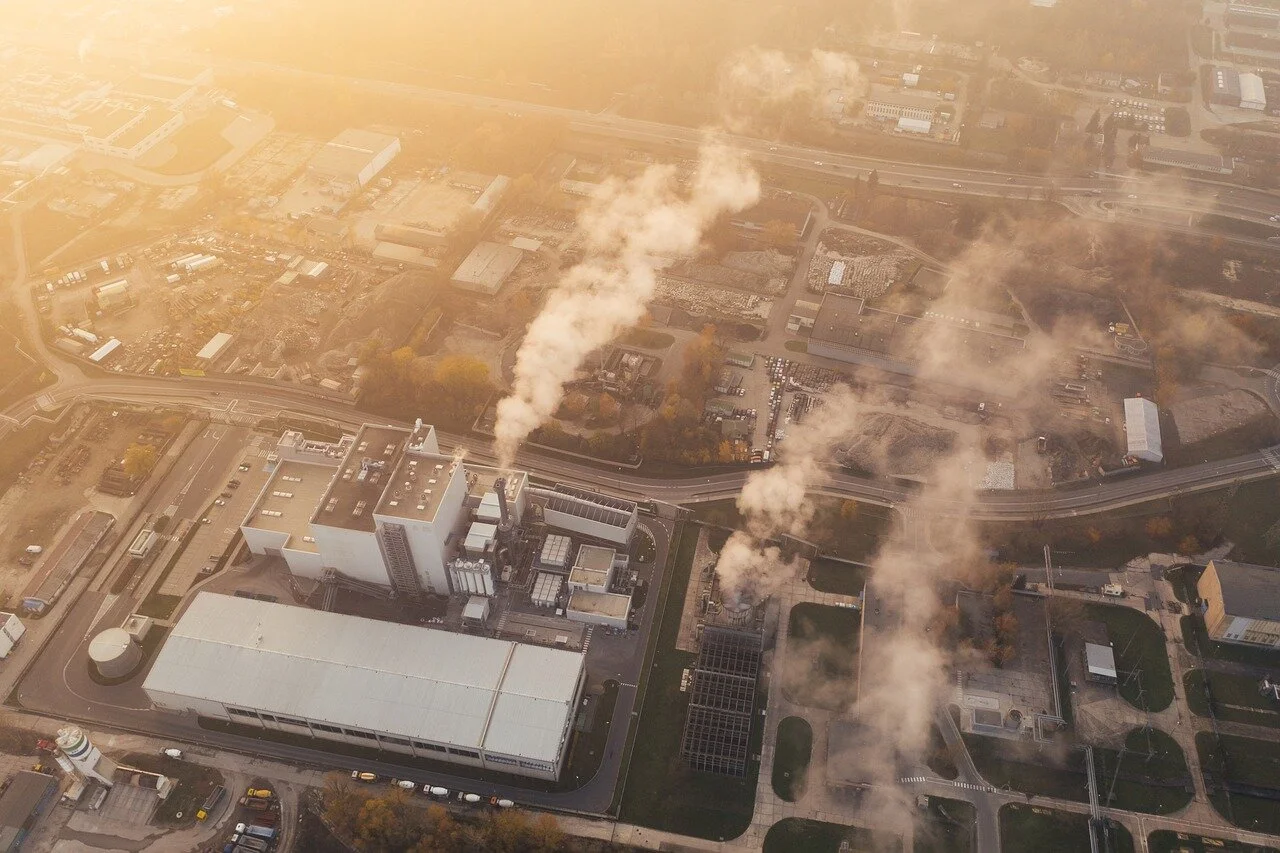
So what is the impact of Germany's nine-euro tickets? Notable improvements to air quality in metropolitan areas have also been documented. Researchers at the University of Potsdam found air pollution levels fell by up to 7 percent in response to the introduction of the low-cost ticket.
Subsidising public transport might be a viable option to reduce air pollution particularly in cities and providing safer and healthier urban agglomerations, the University of Potsdam’s researchers say.
The study echoes the World Economic Forum's recent sustainable road transport and pricing report, which called for affordable public travel to further encourage adoption and reduce the financial burden for current users.
Deutsche Bahn, Germany's national rail authority, says it sold 26 million of the nine-euro tickets and saw a 10 percent increase in ridership over the summer months.
The discounted ticket constituted a major price reduction. Normally, monthly tickets for local transportation in Berlin cost €107. Among new purchasers of monthly public tickets since June, over half said the low price was the leading incentive.
All responsible actors should therefore now decide quickly on the continuation and further development of such an offer. If people take the traffic turnaround and climate change seriously, then we have to act now.
The decision comes as Germany continues to face high inflation, which nearly hit eight percent in August.



Lisa was born in Auckland at the start of the 1970s, living in a small campsite community on the North Shore called Browns Bay. She spent a significant part of her life with her grandparents, often hanging out at the beaches. Lisa has many happy memories from those days at Browns Bay beach, where fish were plentiful on the point and the ocean was rich in seaweed. She played in the water for hours, going home totally “sun-kissed.” “An adorable time to grow up,” Lisa tells me.
Lisa enjoyed many sports; she was a keen tennis player and netballer, playing in the top teams for her age right up until the family moved to Wellington. Lisa was fifteen years old, which unfortunately marked the end of her sporting career. Local teams were well established in Wellington, and her attention was drawn elsewhere.