




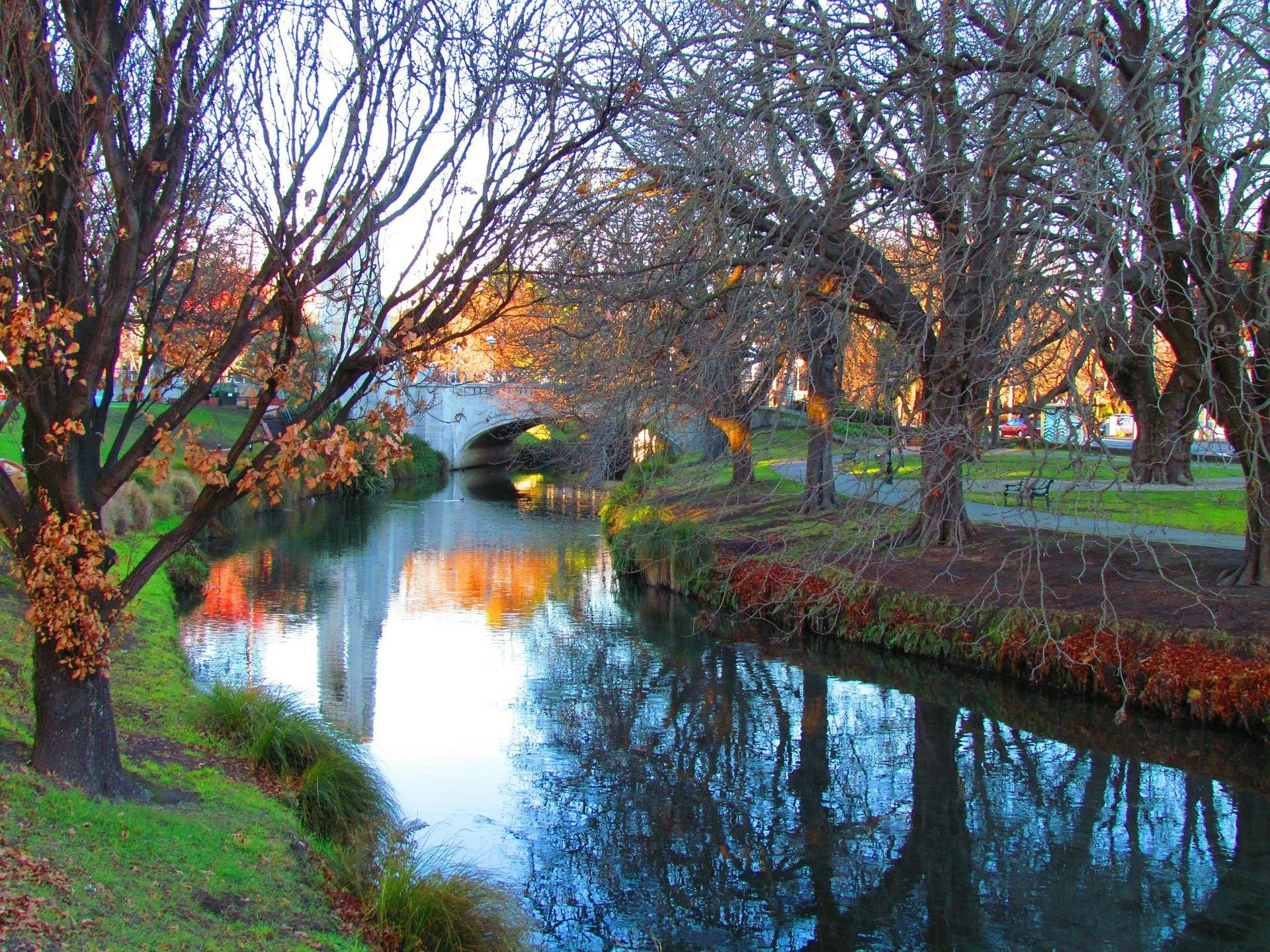
Christchurch summers so different from years ago
Ōtautahi - Summer is over in all of New Zealand and Christchurch people can’t wait for next summer after the wettest ever February, which traditionally has been the driest and hottest month of the year.
Metservice spokesperson Lewis Ferris says Christchurch received 220mm of rain in the last three months of summer, ending yesterday.
“It was quite a lot higher in rainfall than the average January 1 to end of March of 140mm, largely due to a very wet February.
“A total of 148mm of rain fell in February, which was the wettest February on record, dating back to 1944. But both January and March came in around 80 percent of average.”
All recordings are made at the Christchurch airport.
Ferris says when looking at mean temperature, which takes into account daily high and low, then it’s been bang on average.
“But if we take a look at the average daily maximums then they are notably below historical figures. 20Cdeg v 21.5Cdeg.
“This was mainly due to the washout of February bringing the temperature down. That being said, each of the first three months this year has been below average for the number of days exceeding 25Cdeg.
“Usually, the first three months would bring 19 days, this year just 13 above 25Cdeg. This can be somewhat attributed to a La Niña regime where the prevalence of northeasterly winds is increased which decreases the likelihood of those typical hot northwesterlies.
“Lastly, January set a station January record, the second all-time sunniest month in Christchurch for sunshine, back to 1949.
“So even with February being the fifth ever cloudiest, and March being relatively dim, the city has come out bang on average. January basically saw the same amount of sun as February and March combined.”
The highs and lows of Christchurch weathers epitomise Aotearoa weather moving more to the ends of the spectrum rather than the historical normal drier summers and winters of some years ago.



Lisa was born in Auckland at the start of the 1970s, living in a small campsite community on the North Shore called Browns Bay. She spent a significant part of her life with her grandparents, often hanging out at the beaches. Lisa has many happy memories from those days at Browns Bay beach, where fish were plentiful on the point and the ocean was rich in seaweed. She played in the water for hours, going home totally “sun-kissed.” “An adorable time to grow up,” Lisa tells me.
Lisa enjoyed many sports; she was a keen tennis player and netballer, playing in the top teams for her age right up until the family moved to Wellington. Lisa was fifteen years old, which unfortunately marked the end of her sporting career. Local teams were well established in Wellington, and her attention was drawn elsewhere.