




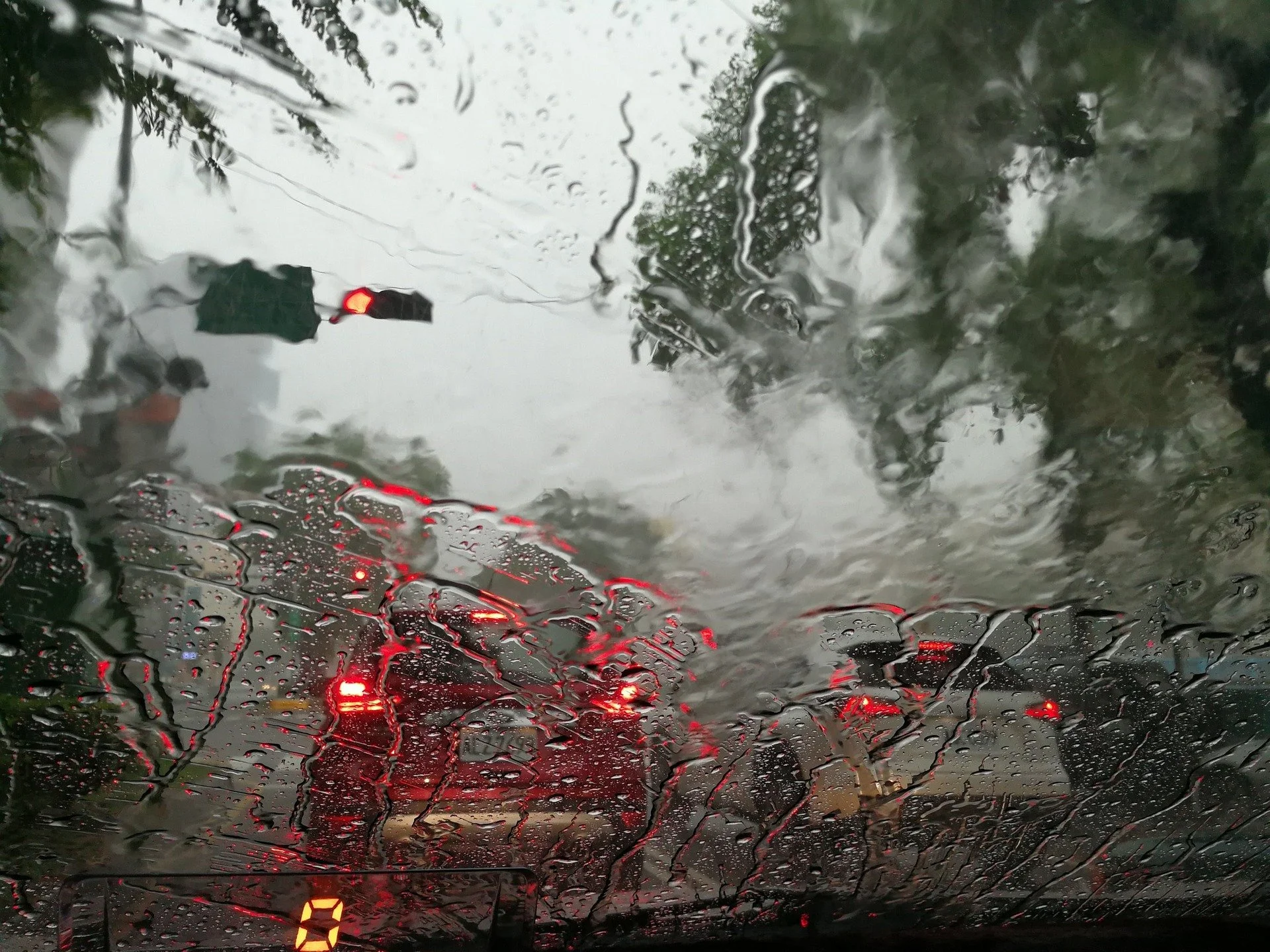
First in a series of cold NZ winter fronts
Ōtautahi - A cold front pushes over the North Island today then another one over the South Island overnight. Aotearoa can expect strong westerly winds with heavy falls in the west particularly when fronts move through.
A number of fronts will move through from the Tasman Sea over the coming days as a storm in the Southern Ocean continues to grow and deepen.
WeatherWatch.co.nz says the off and on stormy weather will linger in New Zealand until the middle of next week, all generated by the same system.Meanwhile, the World Meteorological Organisation says there is a high probability that the ongoing protracted La Niña global event, which has affected temperature and precipitation patterns and exacerbated drought and flooding in different parts of the world, will continue until at least August.
Some long-lead predictions even suggest that it might persist into 2023. If so, it would only be the third triple-dip La Niña since 1950.
La Niña refers to the large-scale cooling of the ocean surface temperatures in the central and eastern equatorial Pacific Ocean, coupled with changes in the tropical atmospheric circulation, namely winds, pressure and rainfall.
It usually has the opposite impacts on weather and climate as El Niño, which is the warm phase of the so-called El Niño Southern Oscillation.
The ongoing drought in the Horn of Africa and southern South America bear the hallmarks of La Niña, as does the above average rainfall in South-East Asia and Australasia and predictions for an above average Atlantic hurricane season.
However, all naturally occurring climate events now take place in the context of human-induced climate change, which is increasing global temperatures, exacerbating extreme weather and climate, and impacting seasonal rainfall and temperature patterns.
The current La Niña event started in September 2020 and continued through mid-May 2022 across the tropical Pacific.
There was a temporary weakening of the oceanic components of La Niña during January and February 2022, but it has strengthened since March 2022.

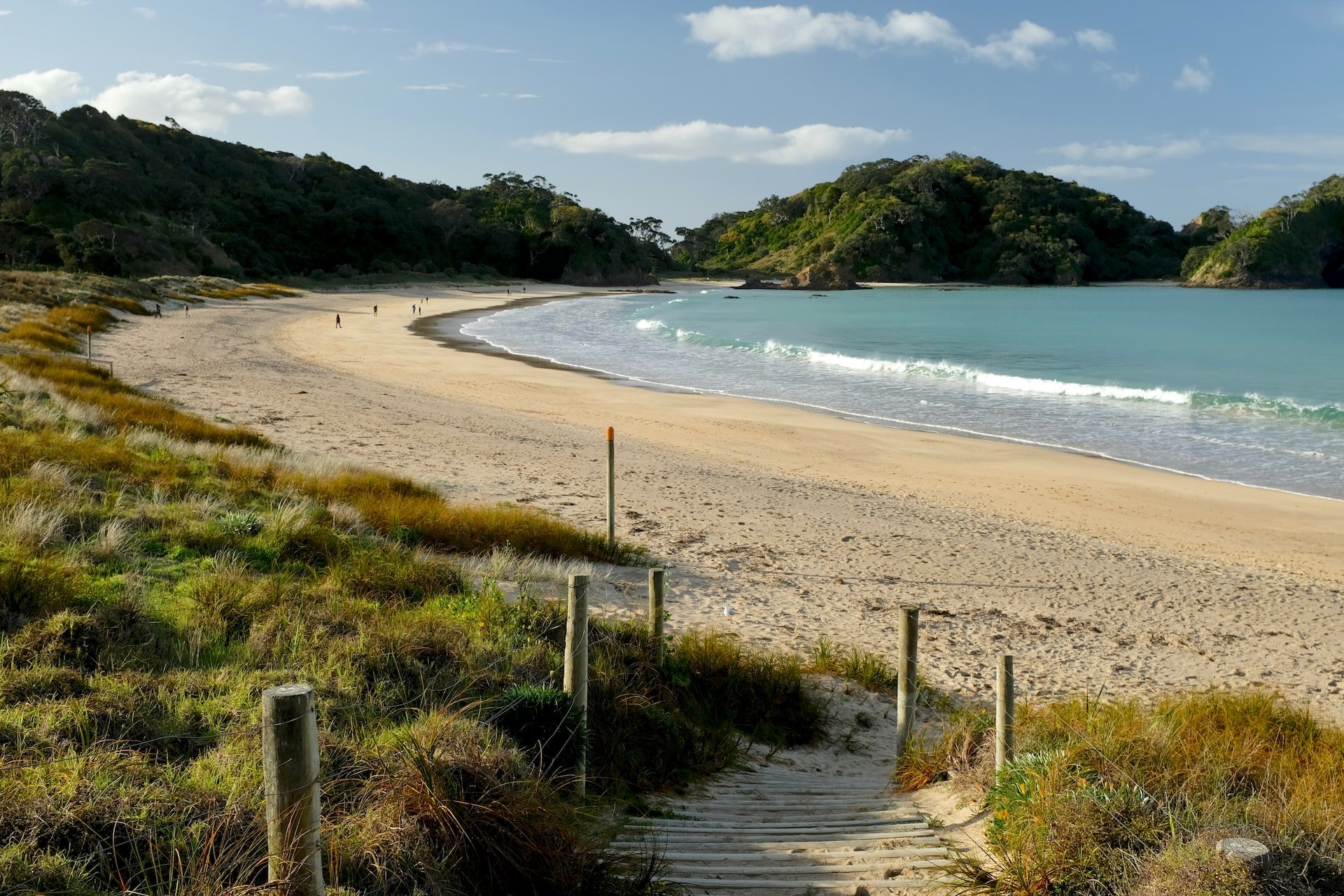

Lisa was born in Auckland at the start of the 1970s, living in a small campsite community on the North Shore called Browns Bay. She spent a significant part of her life with her grandparents, often hanging out at the beaches. Lisa has many happy memories from those days at Browns Bay beach, where fish were plentiful on the point and the ocean was rich in seaweed. She played in the water for hours, going home totally “sun-kissed.” “An adorable time to grow up,” Lisa tells me.
Lisa enjoyed many sports; she was a keen tennis player and netballer, playing in the top teams for her age right up until the family moved to Wellington. Lisa was fifteen years old, which unfortunately marked the end of her sporting career. Local teams were well established in Wellington, and her attention was drawn elsewhere.