




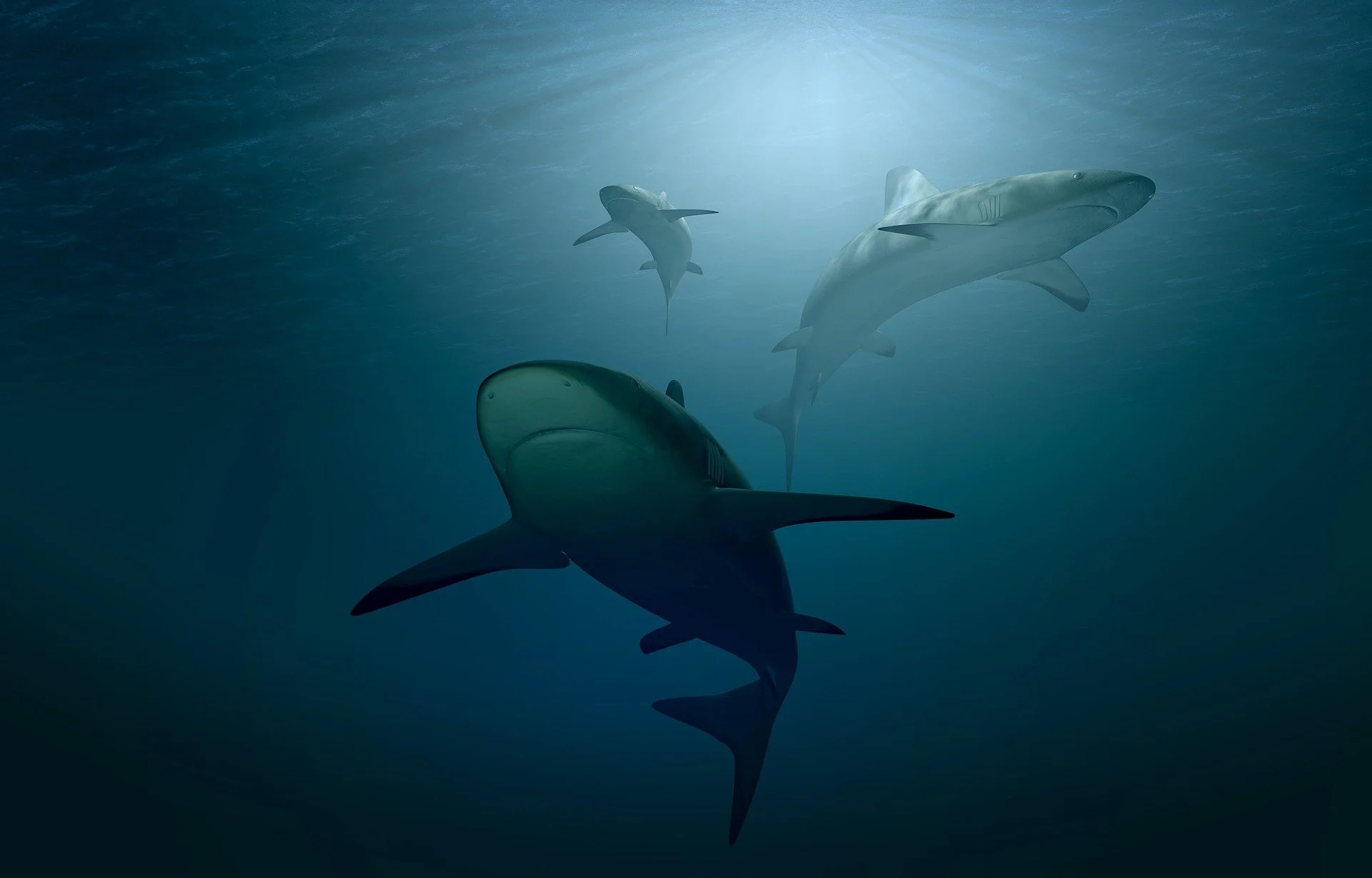
As the ocean heats up hungrier predators take control
Washington DC - A new study has found marine predation intensifies in warmer waters which could reshape ocean communities as climate changes.
A hotter ocean is a hungrier ocean , at least as far as fish predators are concerned, according to new research.
In a new field study Smithsonian scientists discovered predator impacts in the Atlantic and Pacific peak at higher temperatures.
The effects cascade down to transform other life in the ocean, potentially disrupting balances that have existed for millennia.
It's taken thousands of years to get to this state, and then suddenly the planet’s oceans are ramping up the temperature at a much higher rate, the marine biologist researchers from the Smithsonian Environmental Research Centre say. Their scientists do not really know the implications of that temperature increase.
Past research has hinted that predators are more active in the tropics, since higher temperatures tend to increase animals' metabolism.
But empirical evidence from smaller studies was conflicting. And few studies tried to nail down the central question of how prey communities respond to the increased pressure, which could foreshadow what a warmer ocean of the future will look like.
Warmer waters tend to favour animals high in the food chain, which become more active and need more food and it's their prey who pay for that increased activity.
The new study took one of the largest views to date. An international team led by the Smithsonian and Temple University coordinated partners at 36 sites, running along the Atlantic and Pacific coasts of the Americas.
The sites spanned from Alaska in the north to Tierra de Fuego at the tip of South America. At each site, researchers performed the same three experiments on predators and prey.
With climate change, more coastal waters will exceed this tipping point, or warm even further, fundamentally changing how these ecosystems function.
In hotter waters, predators' more voracious appetites left outsized marks on the prey community. Total prey biomass plunged in the tropics when prey were left unprotected. But in the coldest zones, leaving prey exposed or protected made almost no difference suggesting predators did not pose much of a threat there.
What will happen at the equator where temperatures may rise even higher than what scientists can see today remains even more of a mystery.



Lisa was born in Auckland at the start of the 1970s, living in a small campsite community on the North Shore called Browns Bay. She spent a significant part of her life with her grandparents, often hanging out at the beaches. Lisa has many happy memories from those days at Browns Bay beach, where fish were plentiful on the point and the ocean was rich in seaweed. She played in the water for hours, going home totally “sun-kissed.” “An adorable time to grow up,” Lisa tells me.
Lisa enjoyed many sports; she was a keen tennis player and netballer, playing in the top teams for her age right up until the family moved to Wellington. Lisa was fifteen years old, which unfortunately marked the end of her sporting career. Local teams were well established in Wellington, and her attention was drawn elsewhere.