All in Tony Cutting

Lisa Lygo - Bowen Therapist

Lisa was born in Auckland at the start of the 1970s, living in a small campsite community on the North Shore called Browns Bay. She spent a significant part of her life with her grandparents, often hanging out at the beaches. Lisa has many happy memories from those days at Browns Bay beach, where fish were plentiful on the point and the ocean was rich in seaweed. She played in the water for hours, going home totally “sun-kissed.” “An adorable time to grow up,” Lisa tells me.

Lisa enjoyed many sports; she was a keen tennis player and netballer, playing in the top teams for her age right up until the family moved to Wellington. Lisa was fifteen years old, which unfortunately marked the end of her sporting career. Local teams were well established in Wellington, and her attention was drawn elsewhere.

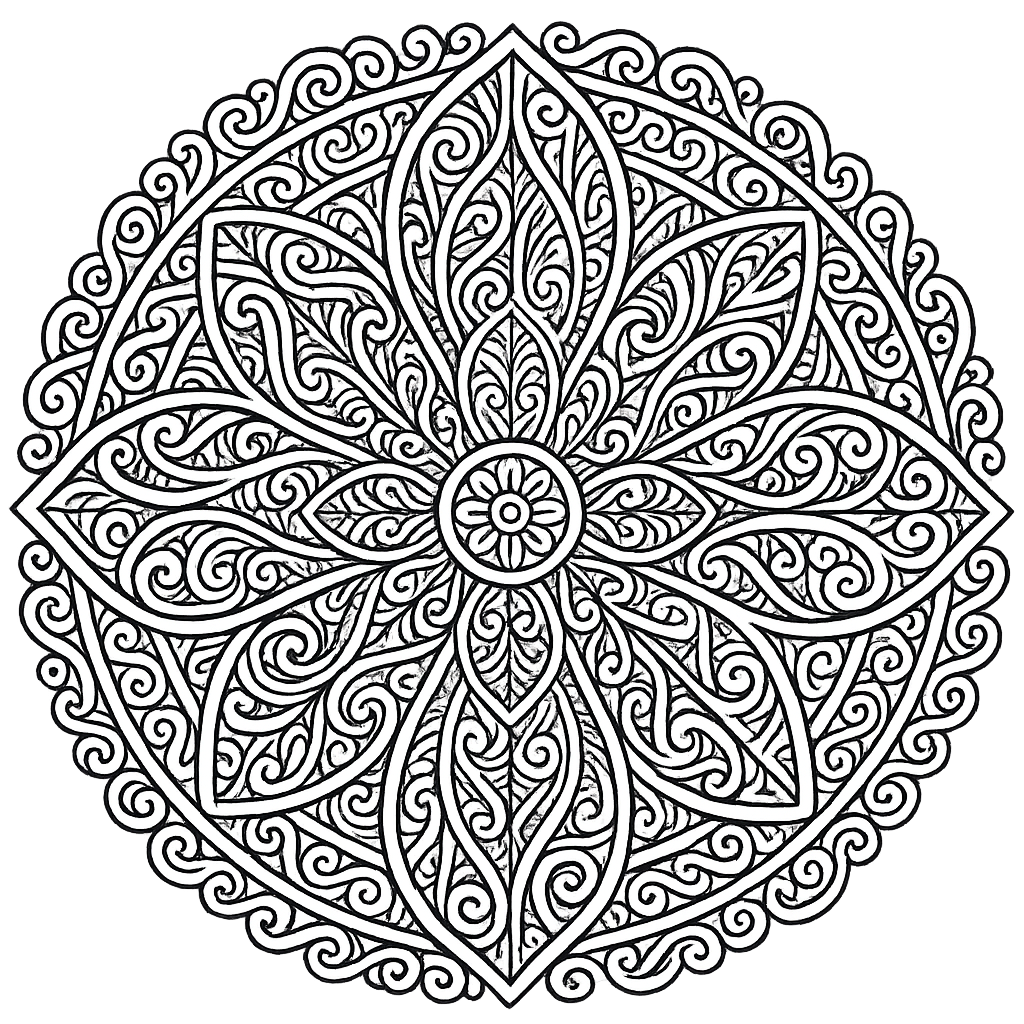
The resurgence of Adult Colouring in books

In recent years, adult colouring books have exploded in popularity, and it's not hard to see why. These beautifully illustrated books offer a creative outlet that's both soothing and stimulating. But beyond their entertainment value, colouring books have some surprising benefits that can positively impact both mental and emotional well-being.

Gem & Bones on Tour: Waikanae River Mouth Freedom Camping Area

Imagine waking up to the soothing sound of a river flowing gently into the sea, the air fresh with a salty breeze, and a symphony of birds to serenade the morning. This idyllic scene isn't a far-off dream but a reality at the Waikanae River Mouth Freedom Camping Area. In this blog post, we'll guide you through everything you need to know about this idyllic camping spot, how to adhere to the rules and set your self up for a wonderful (but brief stay).

"Gem and Bones: Tour of New Zealand" – Getting Ready

Embarking on a unique voyage as we attempt to narrate what we hope will be the most captivating road trip for Gem, my spirited Border Terrier, and Bones, aka Tony Cutting (me), her devoted human companion.

This is not your ordinary tourist tandem but a dynamic team with a quest to rhapsodise (speak or write about with great enthusiasm and delight) the lesser-known corners of New Zealand.

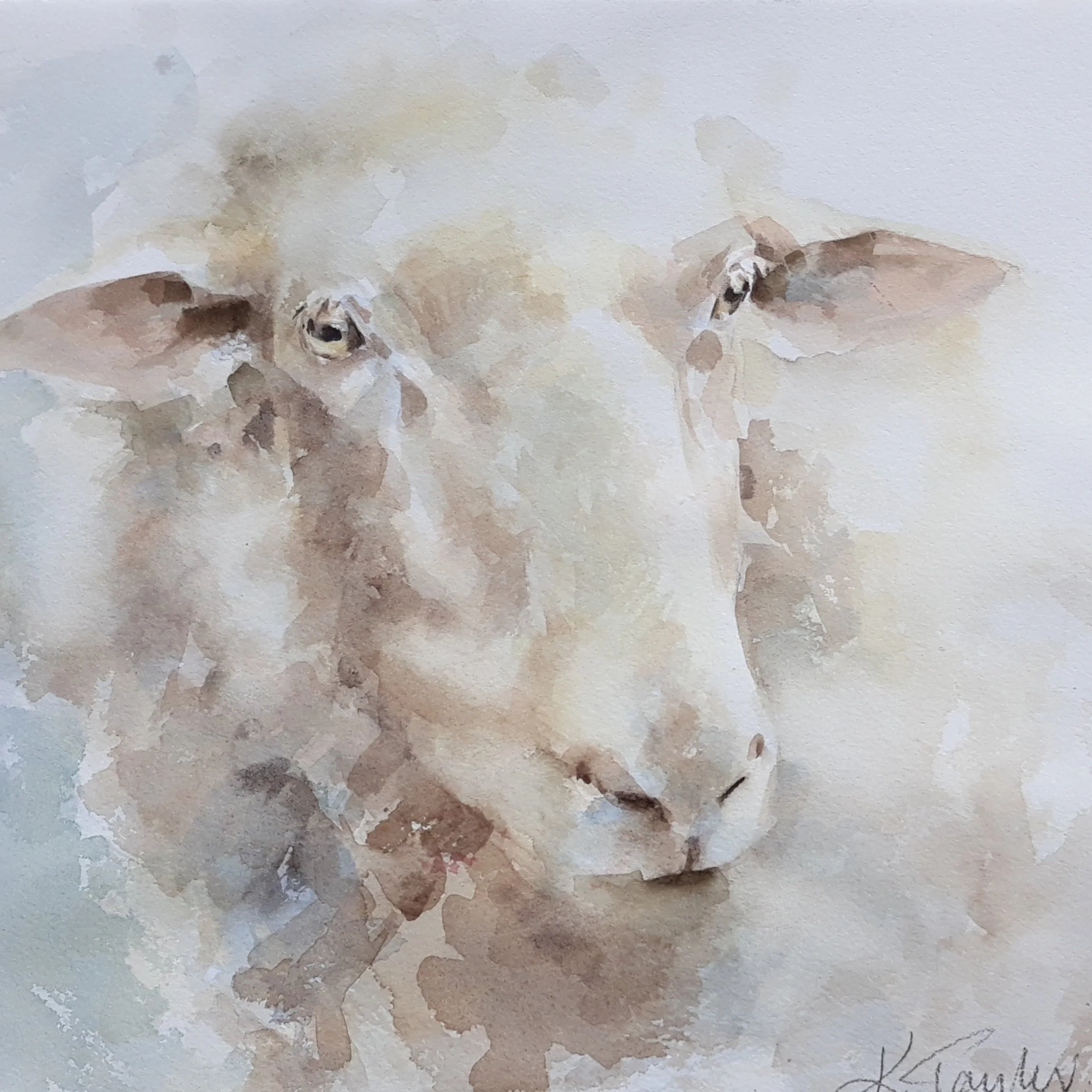
Featured Artist - Kimbra Taylor

Kimbra has a Diploma in Visual Communications from the Wellington School of Design and a teacher's certificate.

“I worked in an advertising agency as an illustrator and visualiser, The Evening Post as an illustrator and then became a freelance illustrator. I worked with Thomas Nelson publishing firm and illustrated many children's books. One of the paintings from a book I illustrated was given to the author for her birthday. I felt very honoured and delighted to be able to share this with her as a gift.” Kimbra shares

Featured Artist - Jane Comben of Pogo Design

“When I moved to NZ, I ended up in Wellington. There was much less packaging work so I moved into print design and branding, and the more government-focused work of the Wellington market. 

After working in agencies, I created Pogo Design when my son was school-age. I wanted the flexibility to manage school holidays etc. I often tell people my biggest work success to date is walking my son through the gate of the local school.” – Jane

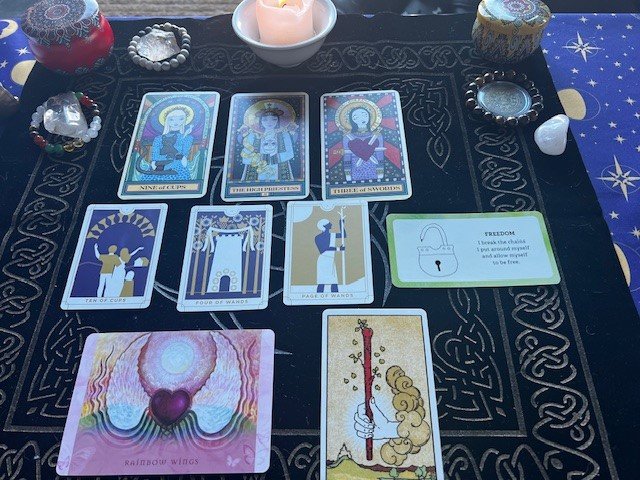
Unveiling the Mystical Trend: The Surging Popularity of Tarot in Modern Times

Imagine a deck of cards, each one rich with symbolism and mystery, offering a glimpse into the past, present, and future. This is the essence of Tarot, a practice that dates back centuries and has been a source of insight and guidance for many. Although often misunderstood, Tarot has survived the test of time and is experiencing a renaissance in modern culture. This article will explore the roots of Tarot, its evolution, and why it fascinates and aids people today.

Exploring the Historical Māori Greeting: The Hongi

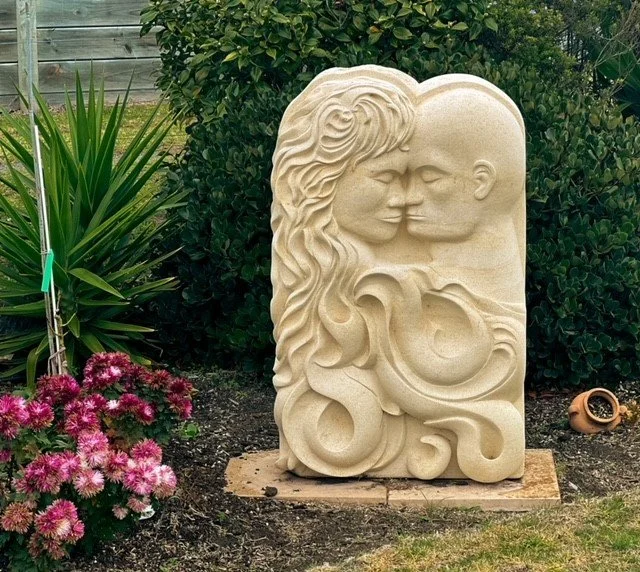
The Hongi, a traditional Māori greeting, holds a significant place in New Zealand’s indigenous culture. More than a mere form of salutation, the Hongi serves as a profound representation of community, respect, and shared existence. By pressing their noses and foreheads together, participants in a Hongi not only acknowledge each other's presence but also, symbolically, share a breath of life.